
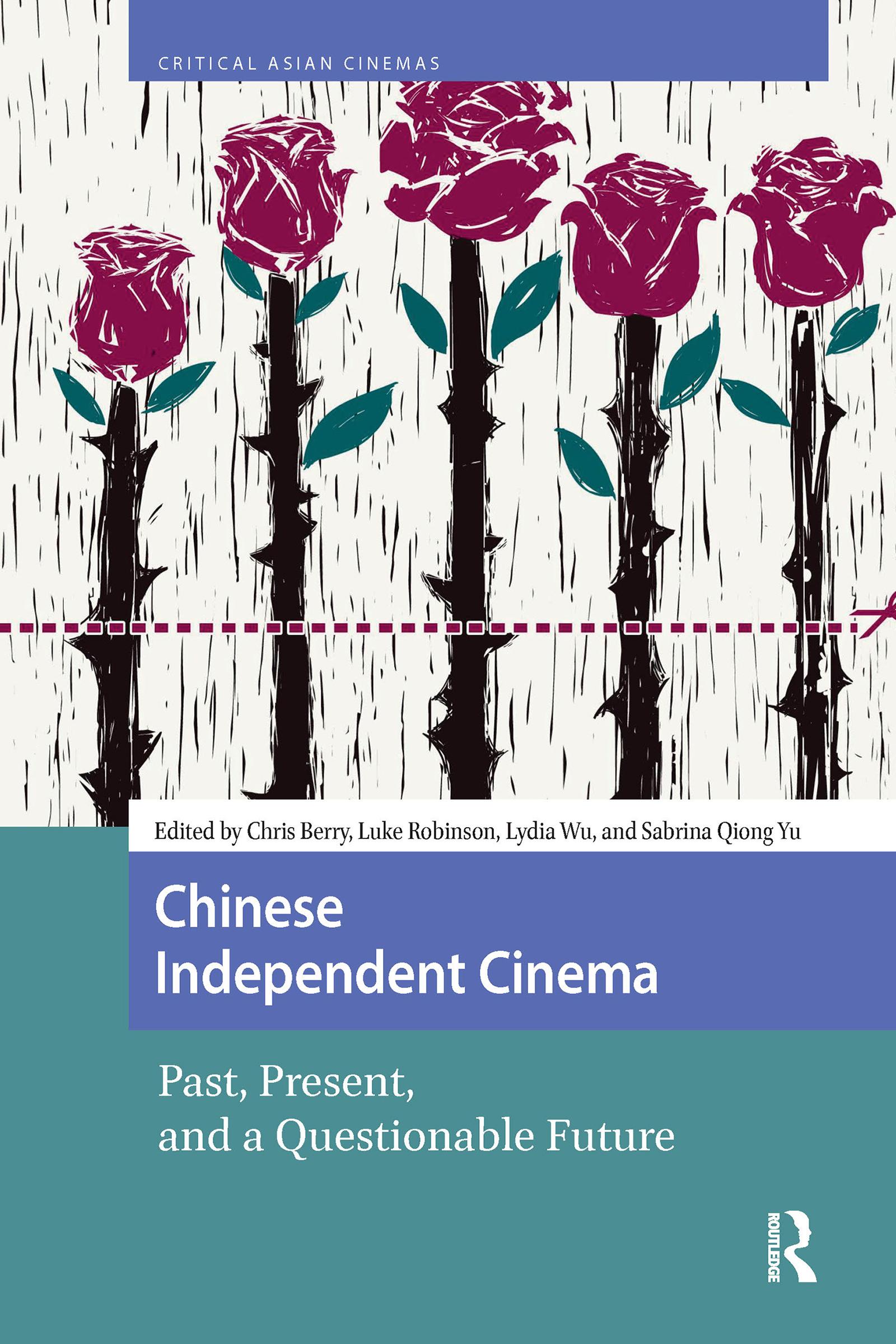
Independent cinema in China is not only made outside the commercial system but also without being submitted for censorship. We know that for several decades it has been the crucible out of which China’s most exciting new films have flowed. The essays in this volume interrogate what else we think we know. Did it really start with Wu Wenguang and Bumming in Beijing in 1990, or can its roots be traced back much earlier? What are its aesthetics? And its ethics, including of gender and class? Where do audiences watch these films in China and how do they circulate? And, since the 2017 Film Law defined uncensored films as illegal, is independent Chinese cinema still alive? What does it mean today? And does it have a future? The essays in this anthology—many by exciting new scholars—explore these urgent questions.
Betaal eenvoudig met kaart, Klarna, Apple Pay of Google Pay. Niet tevreden? Je hebt altijd 14 dagen bedenktijd. Lees meer in onze voorwaarden. Heb je vragen, mail ons dan via hello@memmo.org.
Memmo maakt studeren makkelijker – waar je ook bent ter wereld. Wij brengen je cursusboeken en slimme studietools samen op één plek: samenvattingen, quizzen, podcasts en flashcards. En Ted, je studievriend die antwoord geeft op alles wat je je afvraagt. Meer dan 50.000 studenten studeren hier al – gebouwd om je sneller te laten leren en minder stress te geven.
Misschien vind je dit ook leuk
Koop het boek0