
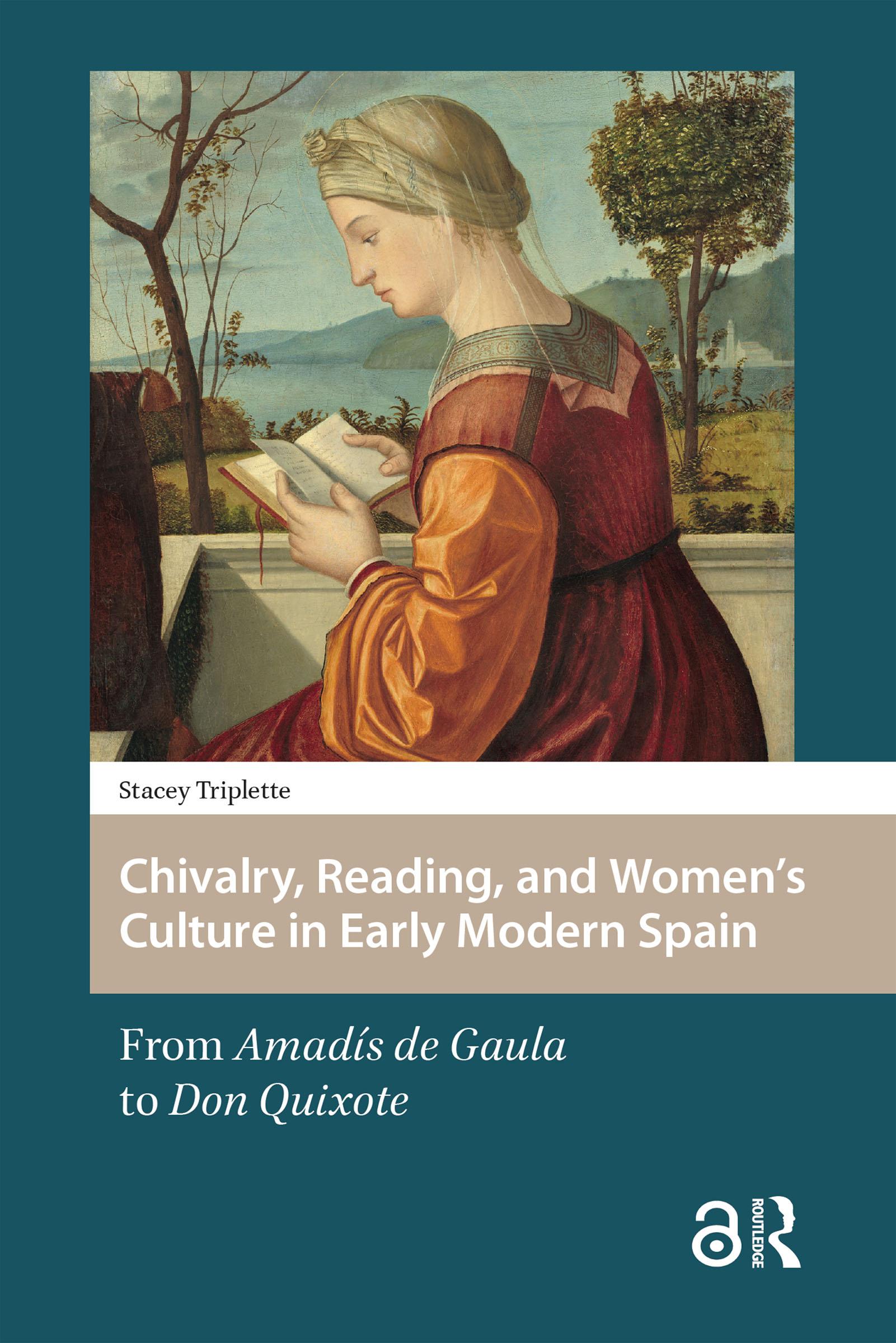
The Iberian chivalric romance has long been thought of as an archaic, masculine genre and its popularity as an aberration in European literary history. Chivalry, Reading, and Women's Culture in Early Modern Spain contests this view, arguing that the surprisingly egalitarian gender politics of Spain's most famous romance of chivalry has guaranteed it a long afterlife. Amadís de Gaula had a notorious appeal for female audiences, and the early modern authors who borrowed from it varied in their reactions to its large cast of literate female characters. Don Quixote and other works that situate women as readers carry the influence of Amadís forward into the modern novel. When early modern authors read chivalric romance, they also read gender, harnessing the female characters of the source text to a variety of political and aesthetic purposes. This book analyses many versions of the romance from Spain, Portugal, France, Italy, and England and tells a new story of the life, death, and influences of Amadís.
Betaal eenvoudig met kaart, Klarna, Apple Pay of Google Pay. Niet tevreden? Je hebt altijd 14 dagen bedenktijd. Lees meer in onze voorwaarden. Heb je vragen, mail ons dan via hello@memmo.org.
Memmo maakt studeren makkelijker – waar je ook bent ter wereld. Wij brengen je cursusboeken en slimme studietools samen op één plek: samenvattingen, quizzen, podcasts en flashcards. En Ted, je studievriend die antwoord geeft op alles wat je je afvraagt. Meer dan 50.000 studenten studeren hier al – gebouwd om je sneller te laten leren en minder stress te geven.