
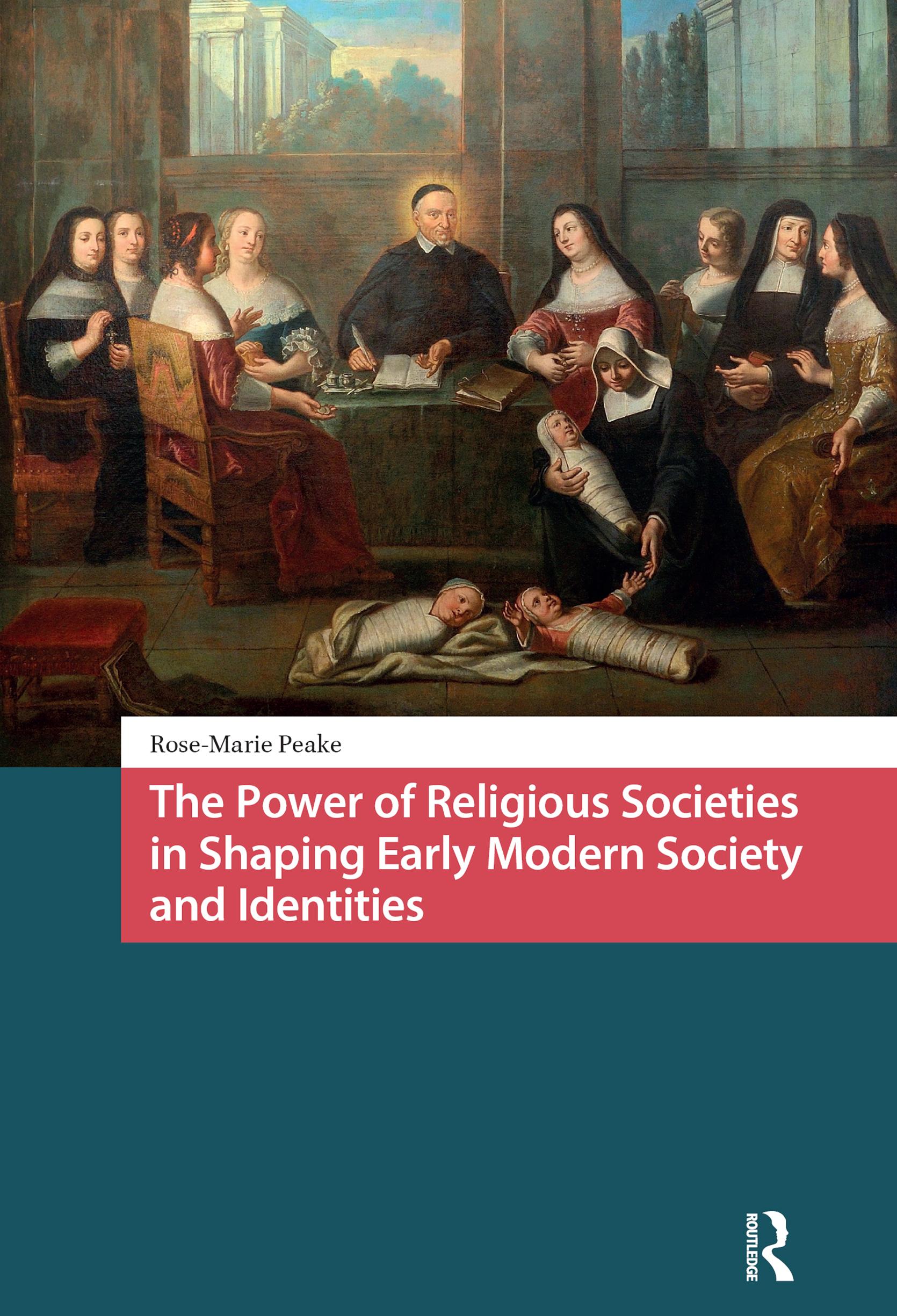
The Power of Religious Societies in Shaping Early Modern Society and Identities studies the value system of the French Catholic community the Filles de la Charité, or the Daughters of Charity, in the first half of the seventeenth century. An analysis of the activities aimed at edifying morality in the different strata of society revealed a Christian anthropology with strong links to medieval traditions. The book argues that this was an important survival strategy for the Company with a disconcerting religious identity: the non-cloistered lifestyle of its members engaged in charity work had been made unlawful in the Council of Trent. Moreover, the directors Louise de Marillac and Vincent de Paul also had to find ways to curtail internal resistance as the sisters rebelled in quest of a more contemplative and enclosed vocation.
Betaal eenvoudig met kaart, Klarna, Apple Pay of Google Pay. Niet tevreden? Je hebt altijd 14 dagen bedenktijd. Lees meer in onze voorwaarden. Heb je vragen, mail ons dan via hello@memmo.org.
Memmo maakt studeren makkelijker – waar je ook bent ter wereld. Wij brengen je cursusboeken en slimme studietools samen op één plek: samenvattingen, quizzen, podcasts en flashcards. En Ted, je studievriend die antwoord geeft op alles wat je je afvraagt. Meer dan 50.000 studenten studeren hier al – gebouwd om je sneller te laten leren en minder stress te geven.