
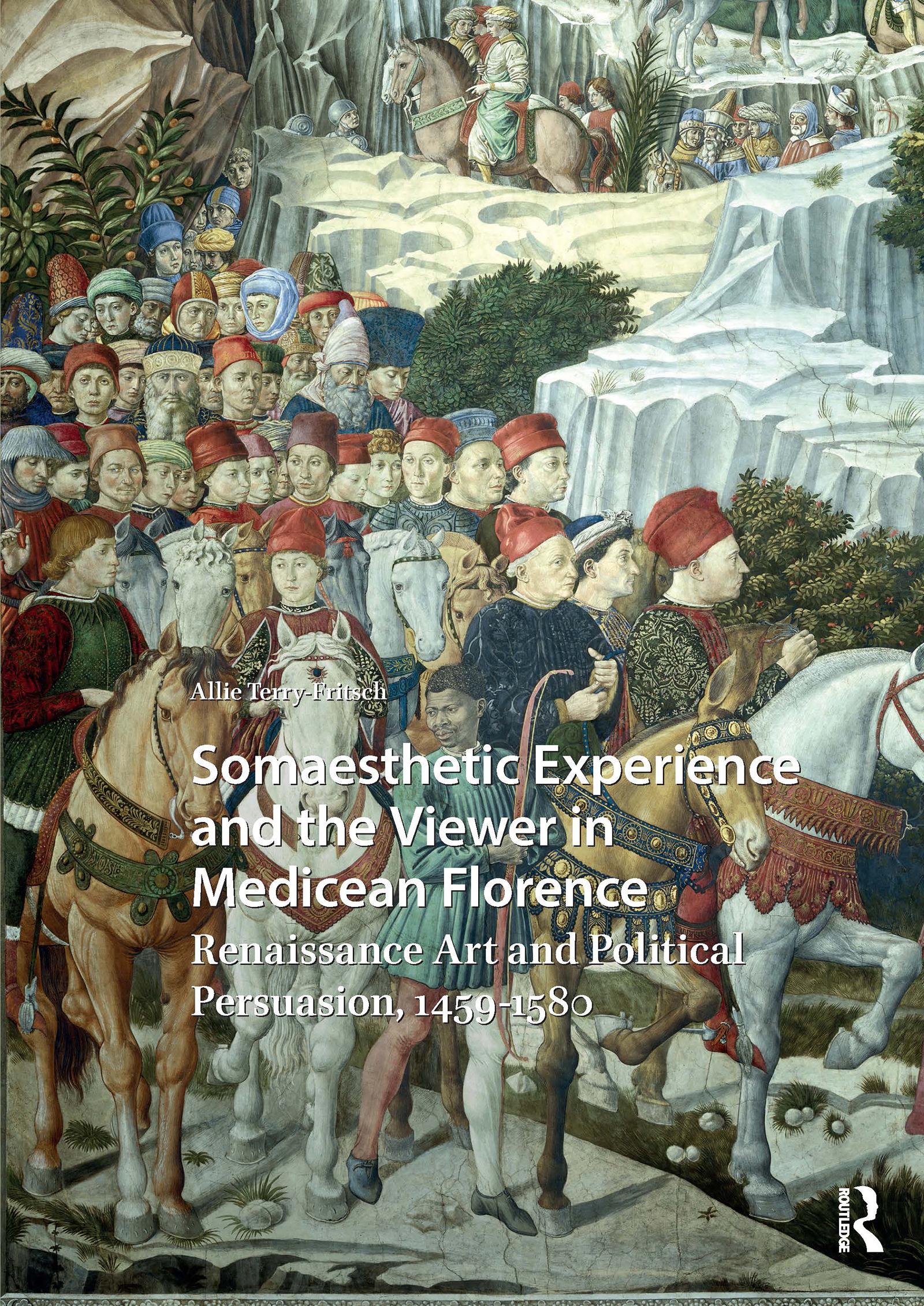
Viewers in the Middle Ages and Renaissance were encouraged to forge connections between their physical and affective states when they experienced works of art. They believed that their bodies served a critical function in coming to know and make sense of the world around them, and intimately engaged themselves with works of art and architecture on a daily basis. This book examines how viewers in Medicean Florence were self-consciously cultivated to enhance their sensory appreciation of works of art and creatively self-fashion through somaesthetics. Mobilized as a technology for the production of knowledge with and through their bodies, viewers contributed to the essential meaning of Renaissance art and, in the process, bound themselves to others. By investigating the framework and practice of somaesthetic experience of works by Benozzo Gozzoli, Donatello, Benedetto Buglioni, Giorgio Vasari, and others in fifteenth- and sixteenth century Florence, the book approaches the viewer as a powerful tool that was used by patrons to shape identity and power in the Renaissance.
Betaal eenvoudig met kaart, Klarna, Apple Pay of Google Pay. Niet tevreden? Je hebt altijd 14 dagen bedenktijd. Lees meer in onze voorwaarden. Heb je vragen, mail ons dan via hello@memmo.org.
Memmo maakt studeren makkelijker – waar je ook bent ter wereld. Wij brengen je cursusboeken en slimme studietools samen op één plek: samenvattingen, quizzen, podcasts en flashcards. En Ted, je studievriend die antwoord geeft op alles wat je je afvraagt. Meer dan 50.000 studenten studeren hier al – gebouwd om je sneller te laten leren en minder stress te geven.
Misschien vind je dit ook leuk
Koop het boek0