
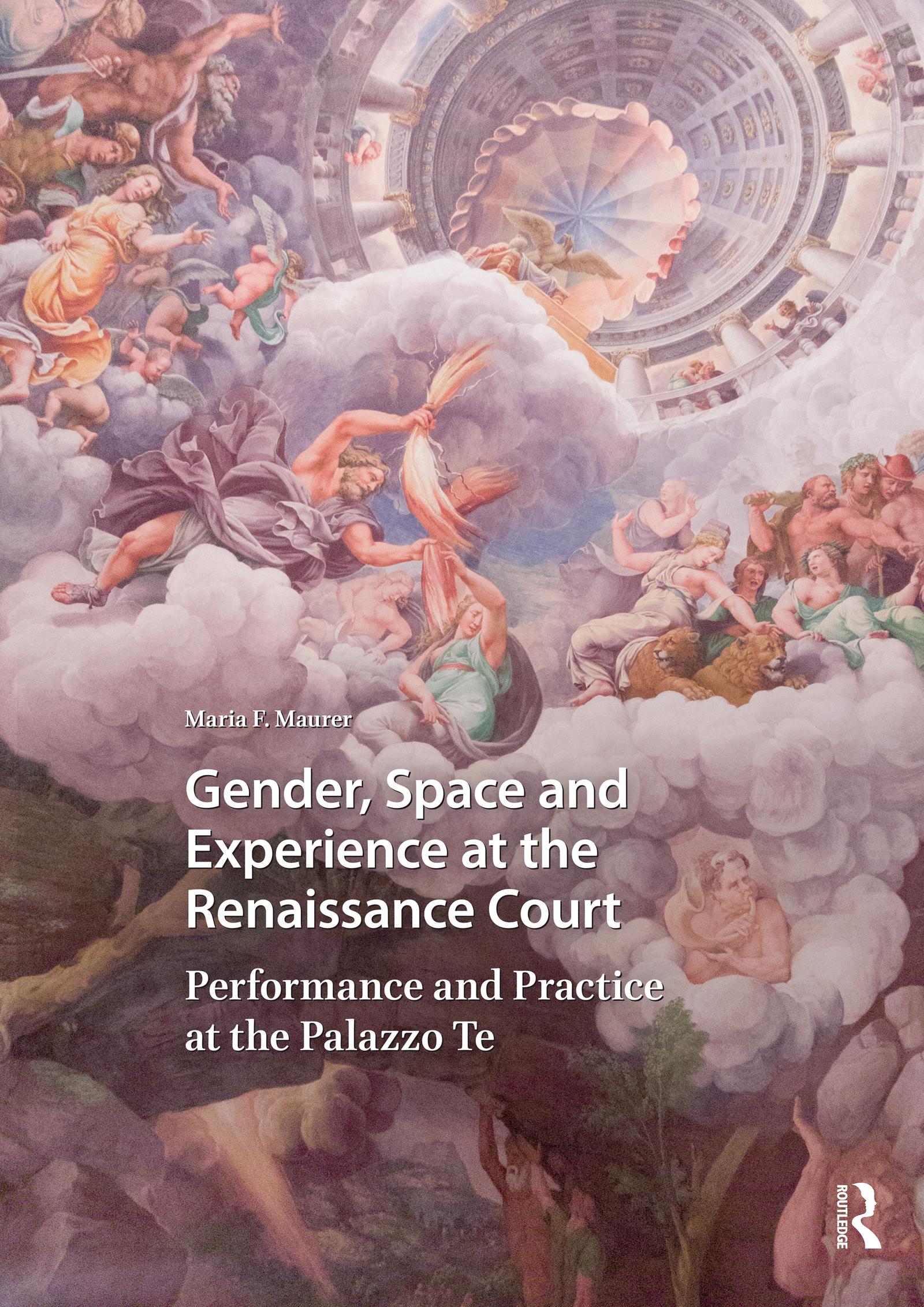
Gender, Space, and Experience at the Renaissance Court investigates the dynamic relationships between gender and architectural space in Renaissance Italy. It examines the ceremonial use and artistic reception of the Palazzo Te from the arrival of the Holy Roman Emperor Charles V in 1530 to the Sack of Mantua in 1630. This book further proposes that we conceptualise the built environment as a performative space, a space formed by the gendered relationships and actors of its time. The Palazzo Te was constituted by the gendered behaviors of sixteenth-century courtiers, but it was not simply a passive receptor of gender performance. Through its multivalent form and ceremonial function, Maria F. Maurer argues that the palace was an active participant in the construction and perception of femininity and masculinity in the early modern court.
Betaal eenvoudig met kaart, Klarna, Apple Pay of Google Pay. Niet tevreden? Je hebt altijd 14 dagen bedenktijd. Lees meer in onze voorwaarden. Heb je vragen, mail ons dan via hello@memmo.org.
Memmo maakt studeren makkelijker – waar je ook bent ter wereld. Wij brengen je cursusboeken en slimme studietools samen op één plek: samenvattingen, quizzen, podcasts en flashcards. En Ted, je studievriend die antwoord geeft op alles wat je je afvraagt. Meer dan 50.000 studenten studeren hier al – gebouwd om je sneller te laten leren en minder stress te geven.