
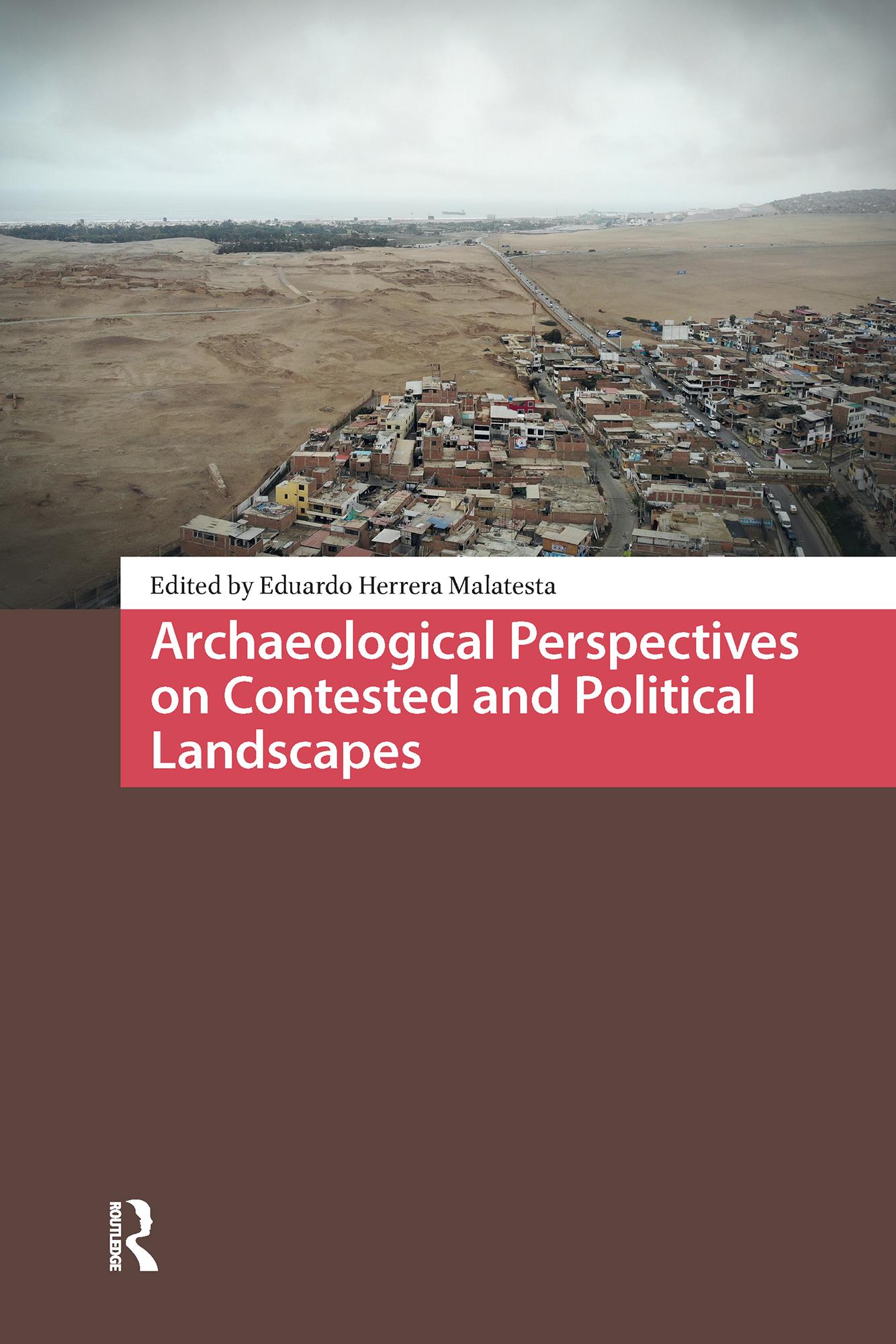
This book focuses on alternative definitions of landscape in archaeology, particularly those that explicitly address landscapes’ political aspects. In doing so, this volume emphasizes the non-static, dialogic nature of landscape within a community and acknowledges how a community’s composition and its relationship with the landscape can lead to tensions and even violent conflicts with other groups. It highlights the relevance of considering movement, borders, and conflict as sources for understanding how people create their own landscapes and how they reshape them in times of political conflict. For example, in contexts of colonization and war, people are forced to adapt to new politics and hierarchies as they see their personal and communal understanding of the world deeply transformed, something visible even today as political tensions constantly reshape local and global landscapes. Understanding how landscapes were created and contested in the past is essential for understanding their political, economic, and cultural manifestations in the present in order to better organize ourselves for a truly integrative future.
Betaal eenvoudig met kaart, Klarna, Apple Pay of Google Pay. Niet tevreden? Je hebt altijd 14 dagen bedenktijd. Lees meer in onze voorwaarden. Heb je vragen, mail ons dan via hello@memmo.org.
Memmo maakt studeren makkelijker – waar je ook bent ter wereld. Wij brengen je cursusboeken en slimme studietools samen op één plek: samenvattingen, quizzen, podcasts en flashcards. En Ted, je studievriend die antwoord geeft op alles wat je je afvraagt. Meer dan 50.000 studenten studeren hier al – gebouwd om je sneller te laten leren en minder stress te geven.
Misschien vind je dit ook leuk
Koop het boek0