
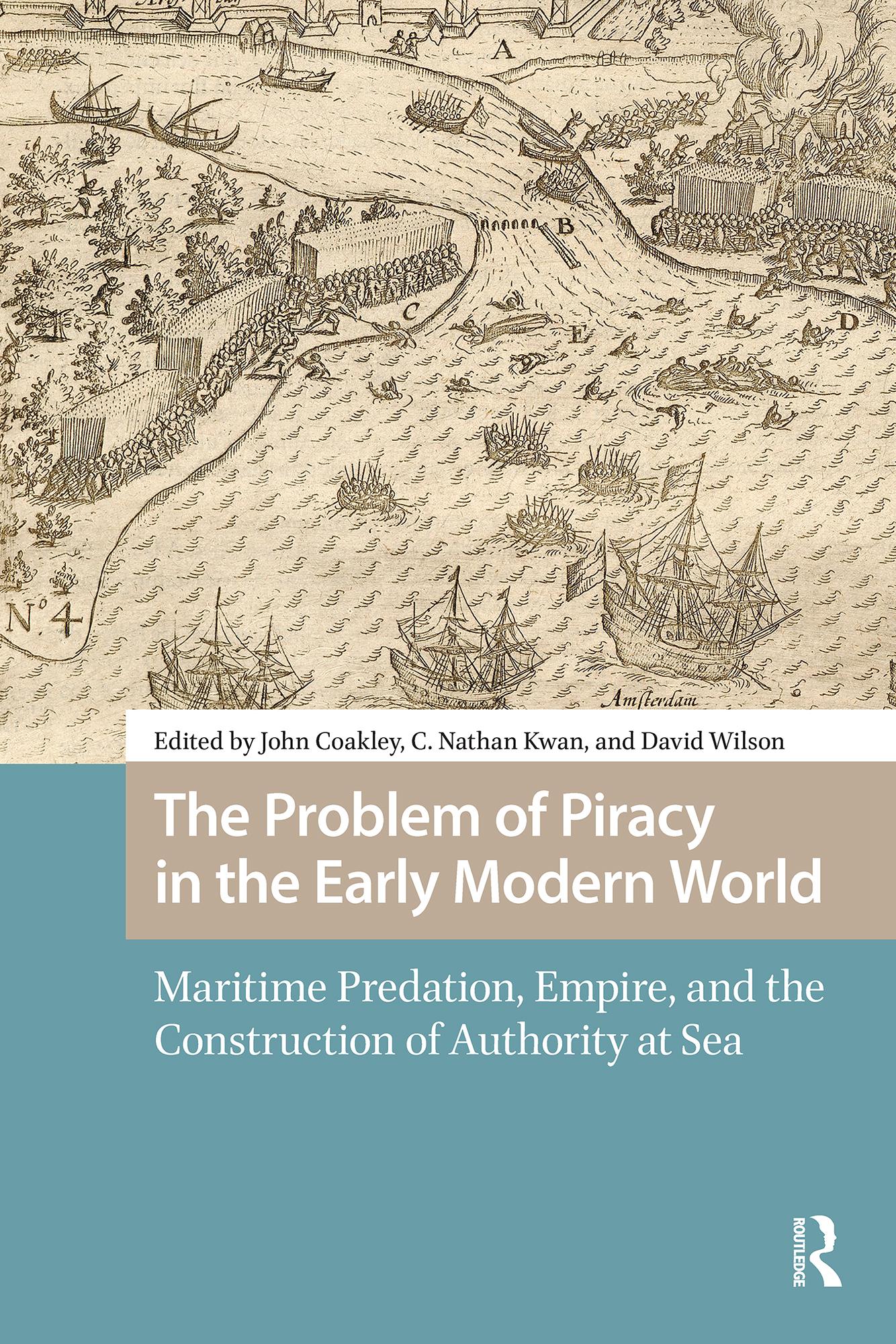
In the early modern period, both legal and illegal maritime predation was a common occurrence, but the expansion of European maritime empires exacerbated existing and created new problems of piracy across the globe. This collection of original case studies addresses these early modern problems in three sections: first, states’ attempts to exercise jurisdiction over seafarers and their actions; second, the multiple predatory marine practices considered ‘piracy’; and finally, the many representations made about piracy by states or the seafarers themselves. Across nine chapters covering regions including southeast Asia, the Atlantic archipelago, the North African states, and the Caribbean Sea, the complexities of defining and criminalizing maritime predation is explored, raising questions surrounding subjecthood, interpolity law, and the impacts of colonization on the legal and social construction of ocean, port, and coastal spaces. Seeking the meanings and motivations behind piracy, this book reveals that while European states attempted to fashion piracy into a global and homogenous phenomenon, it was largely a local and often idiosyncratic issue.
Betaal eenvoudig met kaart, Klarna, Apple Pay of Google Pay. Niet tevreden? Je hebt altijd 14 dagen bedenktijd. Lees meer in onze voorwaarden. Heb je vragen, mail ons dan via hello@memmo.org.
Memmo maakt studeren makkelijker – waar je ook bent ter wereld. Wij brengen je cursusboeken en slimme studietools samen op één plek: samenvattingen, quizzen, podcasts en flashcards. En Ted, je studievriend die antwoord geeft op alles wat je je afvraagt. Meer dan 50.000 studenten studeren hier al – gebouwd om je sneller te laten leren en minder stress te geven.
Misschien vind je dit ook leuk
Koop het boek0