
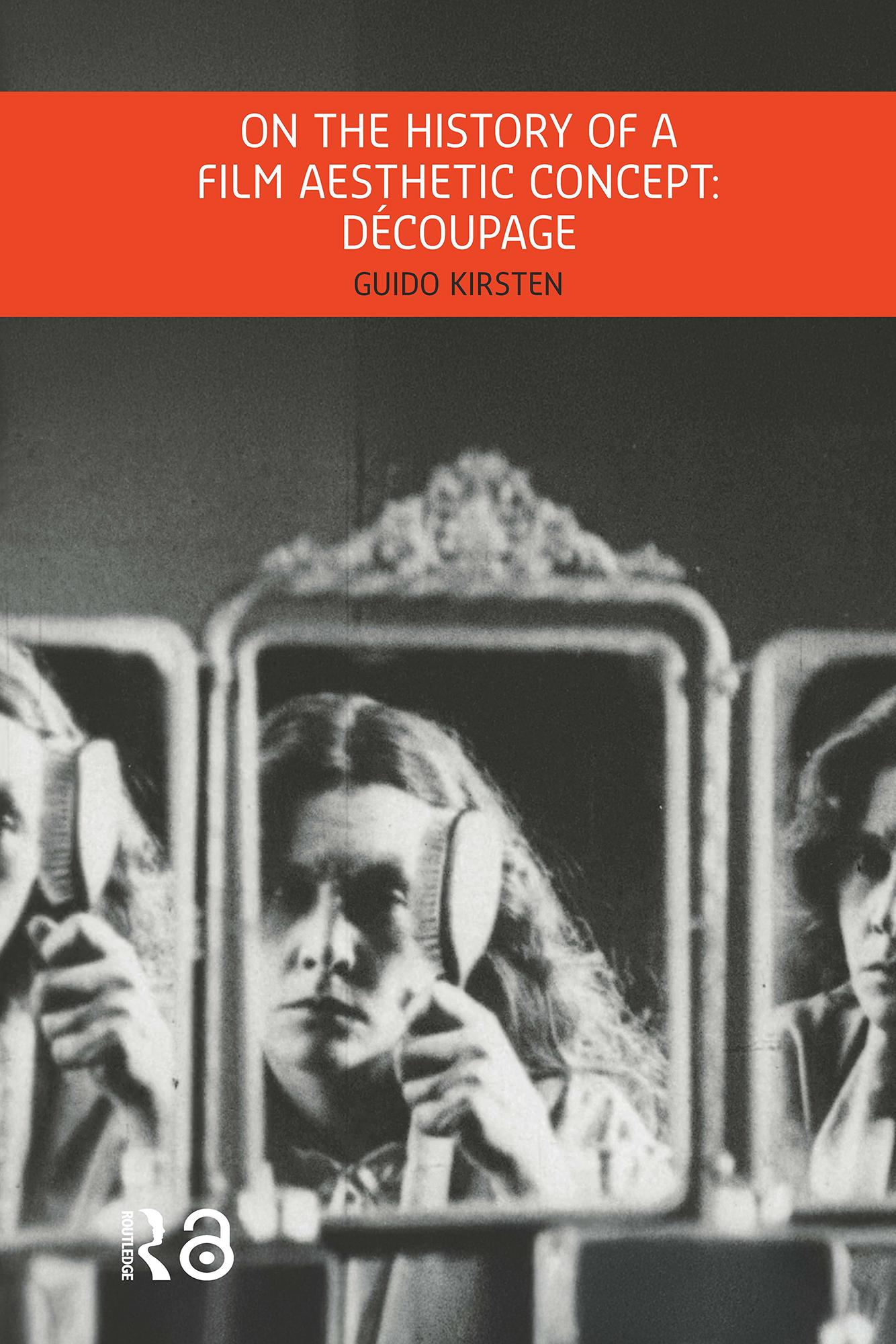
Unlike editing, découpage does not take place after the film has been shot, but before. The French term refers to the breakdown of a scene into a sequence of shots. In order to translate the written screenplay into film language, cinematographers and directors employ a genuinely cinematic way of thinking—a thinking in sequences of moving images and sounds, including the camera setups, movements, and shot sizes. Découpage is thus crucial in shaping a film's specific form. Using the tools of conceptual history, Guido Kirsten traces the term's evolution from its emergence in the 1910s through the eventful film history of the twentieth century until its recent rediscovery. By differentiating layers of meaning and discussing important shifts in the concept's evolution, this book improves the understanding of key film theoretical texts, whose meaning has been distorted by mistranslation, and shows how a deeper reflection of découpage promises to enrich the analysis of contemporary moving image media.
Betaal eenvoudig met kaart, Klarna, Apple Pay of Google Pay. Niet tevreden? Je hebt altijd 14 dagen bedenktijd. Lees meer in onze voorwaarden. Heb je vragen, mail ons dan via hello@memmo.org.
Memmo maakt studeren makkelijker – waar je ook bent ter wereld. Wij brengen je cursusboeken en slimme studietools samen op één plek: samenvattingen, quizzen, podcasts en flashcards. En Ted, je studievriend die antwoord geeft op alles wat je je afvraagt. Meer dan 50.000 studenten studeren hier al – gebouwd om je sneller te laten leren en minder stress te geven.
Misschien vind je dit ook leuk
Koop het boek0