
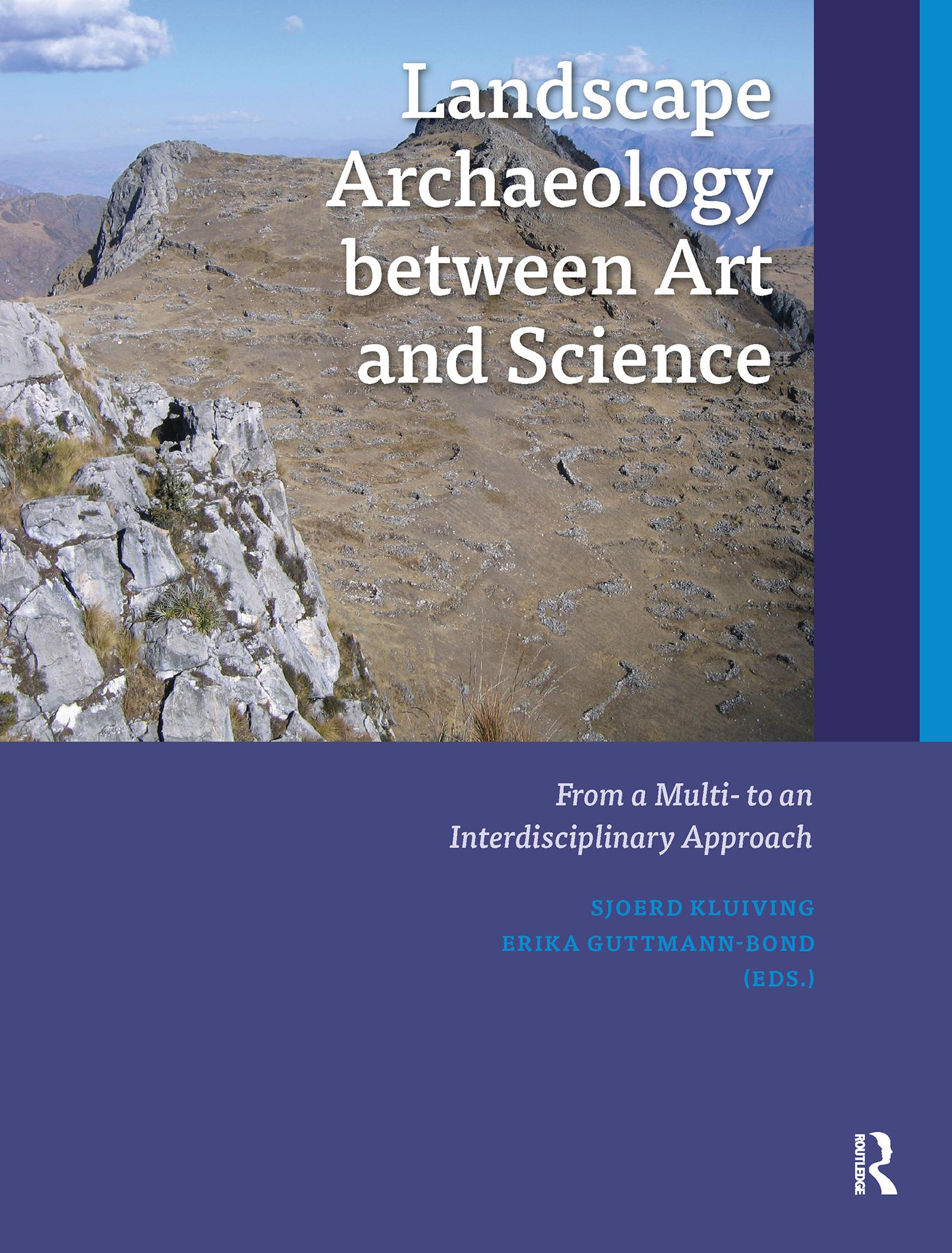
Researchers in landscape archaeology use two different definitions of landscape. One definition (landscape as territory) is used by the processual archaeologists, earth scientists, and most historical geographers within this volume. By contrast, post-processual archaeologists, new cultural geographers and anthropologists favour a more abstract definition of landscape, based on how it is perceived by the observer. Both definitions are addressed in this book, with 35 papers that are presented here and that are divided into six themes: 1) How did landscape change?; 2) Improving temporal, chronological and transformational frameworks; 3) Linking landscapes of lowlands with mountainous areas; 4) Applying concepts of scale; 5) New directions in digital prospection and modelling techniques, and 6) How will landscape archaeology develop in the future? This volume demonstrates a worldwide interest in landscape archaeology, and the research presented here draws upon and integrates the humanities and sciences. This interdisciplinary approach is rapidly gaining support in new regions where such collaborations were previously uncommon.
Betaal eenvoudig met kaart, Klarna, Apple Pay of Google Pay. Niet tevreden? Je hebt altijd 14 dagen bedenktijd. Lees meer in onze voorwaarden. Heb je vragen, mail ons dan via hello@memmo.org.
Memmo maakt studeren makkelijker – waar je ook bent ter wereld. Wij brengen je cursusboeken en slimme studietools samen op één plek: samenvattingen, quizzen, podcasts en flashcards. En Ted, je studievriend die antwoord geeft op alles wat je je afvraagt. Meer dan 50.000 studenten studeren hier al – gebouwd om je sneller te laten leren en minder stress te geven.
Misschien vind je dit ook leuk
Koop het boek0