
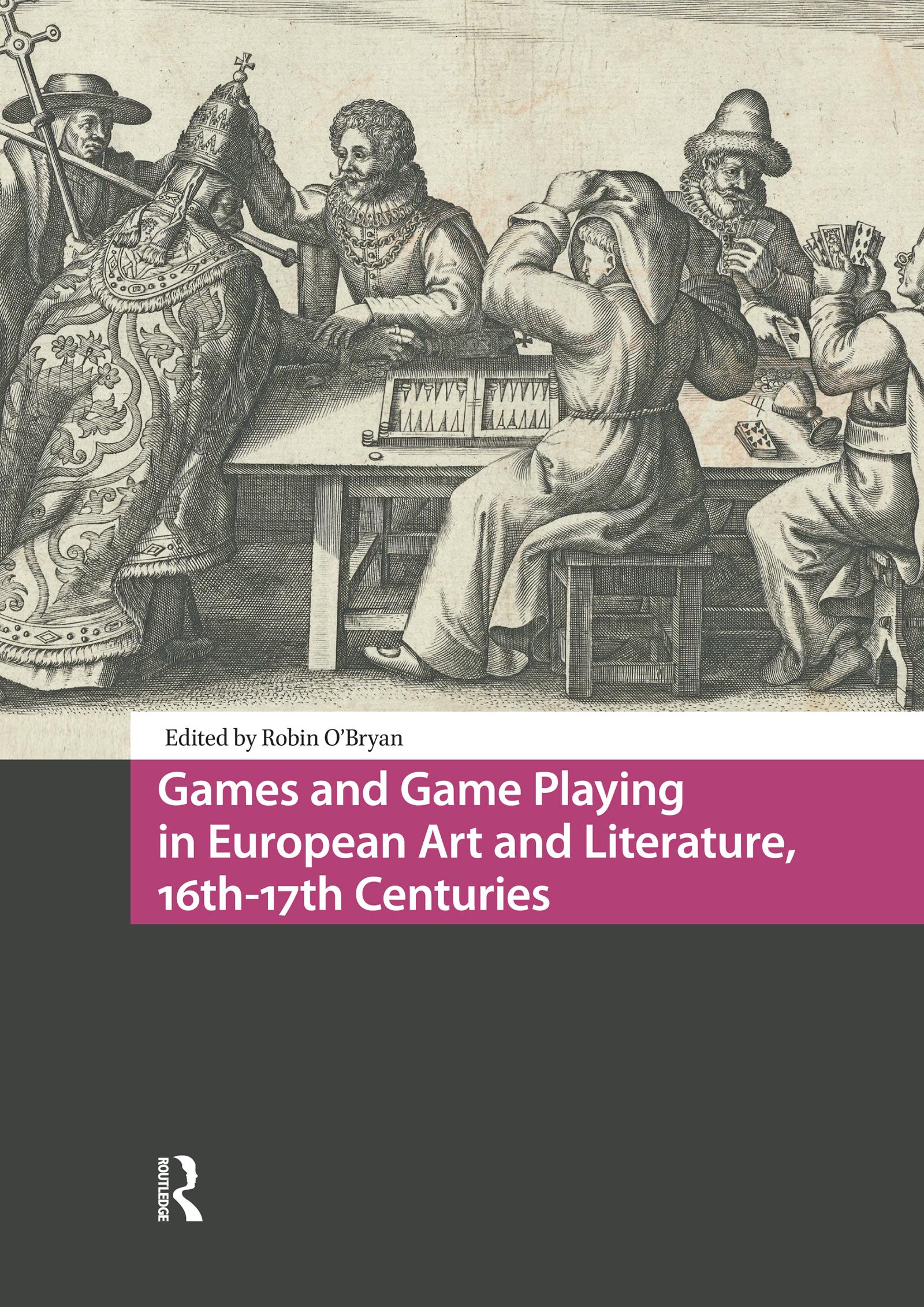
This collection of essays examines the vogue for games and game playing as expressed in art and literature in sixteenth- and seventeenth-century Europe. Focusing on games as a leitmotif of creative expression, these scholarly inquiries are framed as a response to two main questions: how were games used to convey special meanings in art and literature, and how did games speak to greater issues in European society? In chapters dealing with chess, playing cards, board games, dice, gambling, and outdoor and sportive games, essayists show how games were used by artists, writers, game makers and collectors, in the service of love and war, didactic and moralistic instruction, commercial enterprise, politics and diplomacy, and assertions of civic and personal identity. Offering innovative iconographical and literary interpretations, their analyses reveal how games“played, written about, illustrated and collected“functioned as metaphors for a host of broader cultural issues related to gender relations and feminine power, class distinctions and status, ethical and sexual comportment, philosophical and religious ideas, and conditions of the mind.
Betaal eenvoudig met kaart, Klarna, Apple Pay of Google Pay. Niet tevreden? Je hebt altijd 14 dagen bedenktijd. Lees meer in onze voorwaarden. Heb je vragen, mail ons dan via hello@memmo.org.
Memmo maakt studeren makkelijker – waar je ook bent ter wereld. Wij brengen je cursusboeken en slimme studietools samen op één plek: samenvattingen, quizzen, podcasts en flashcards. En Ted, je studievriend die antwoord geeft op alles wat je je afvraagt. Meer dan 50.000 studenten studeren hier al – gebouwd om je sneller te laten leren en minder stress te geven.
Misschien vind je dit ook leuk
Koop het boek0