
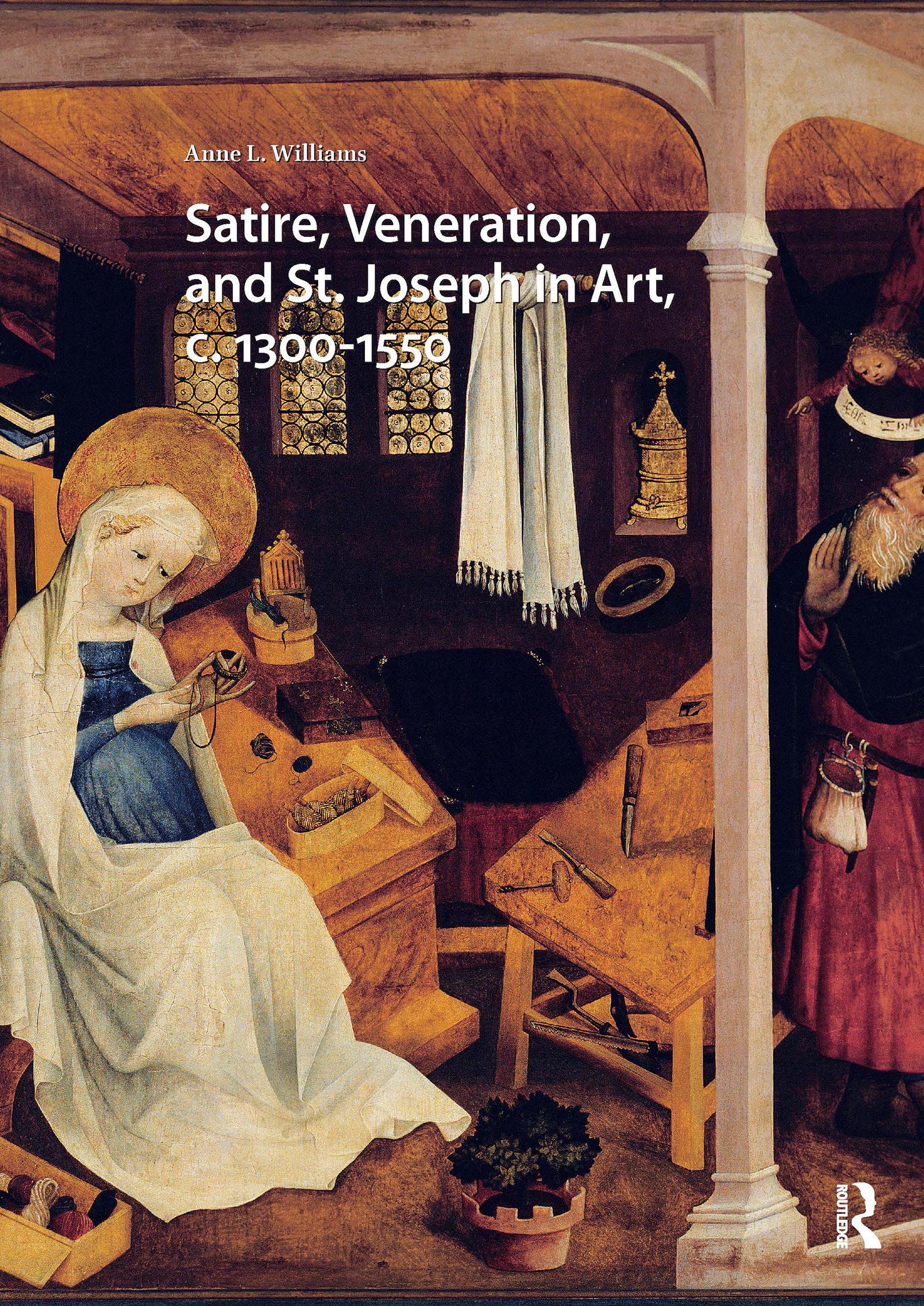
Satire, Veneration, and St. Joseph in Art, c. 1300.1550 is the first book to reclaim satire as a central component of Catholic altarpieces, devotional art, and veneration, moving beyond humor's relegation to the medieval margins or to the profane arts alone. The book challenges humor's perception as a mere teaching tool for the laity and the antithesis of 'high' veneration and theology, a divide perpetuated by Counter-Reformation thought and the inheritance of Mikhail Bakhtin (Rabelais and His World, 1965). It reveals how humor, laughter, and material culture played a critical role in establishing St. Joseph as an exemplar in western Europe as early as the thirteenth century. Its goal is to open a new line of interpretation in medieval and early modern cultural studies by revealing the functions of humor in sacred scenes, the role of laughter as veneration, and the importance of play for pre-Reformation religious experiences.
Betaal eenvoudig met kaart, Klarna, Apple Pay of Google Pay. Niet tevreden? Je hebt altijd 14 dagen bedenktijd. Lees meer in onze voorwaarden. Heb je vragen, mail ons dan via hello@memmo.org.
Memmo maakt studeren makkelijker – waar je ook bent ter wereld. Wij brengen je cursusboeken en slimme studietools samen op één plek: samenvattingen, quizzen, podcasts en flashcards. En Ted, je studievriend die antwoord geeft op alles wat je je afvraagt. Meer dan 50.000 studenten studeren hier al – gebouwd om je sneller te laten leren en minder stress te geven.