
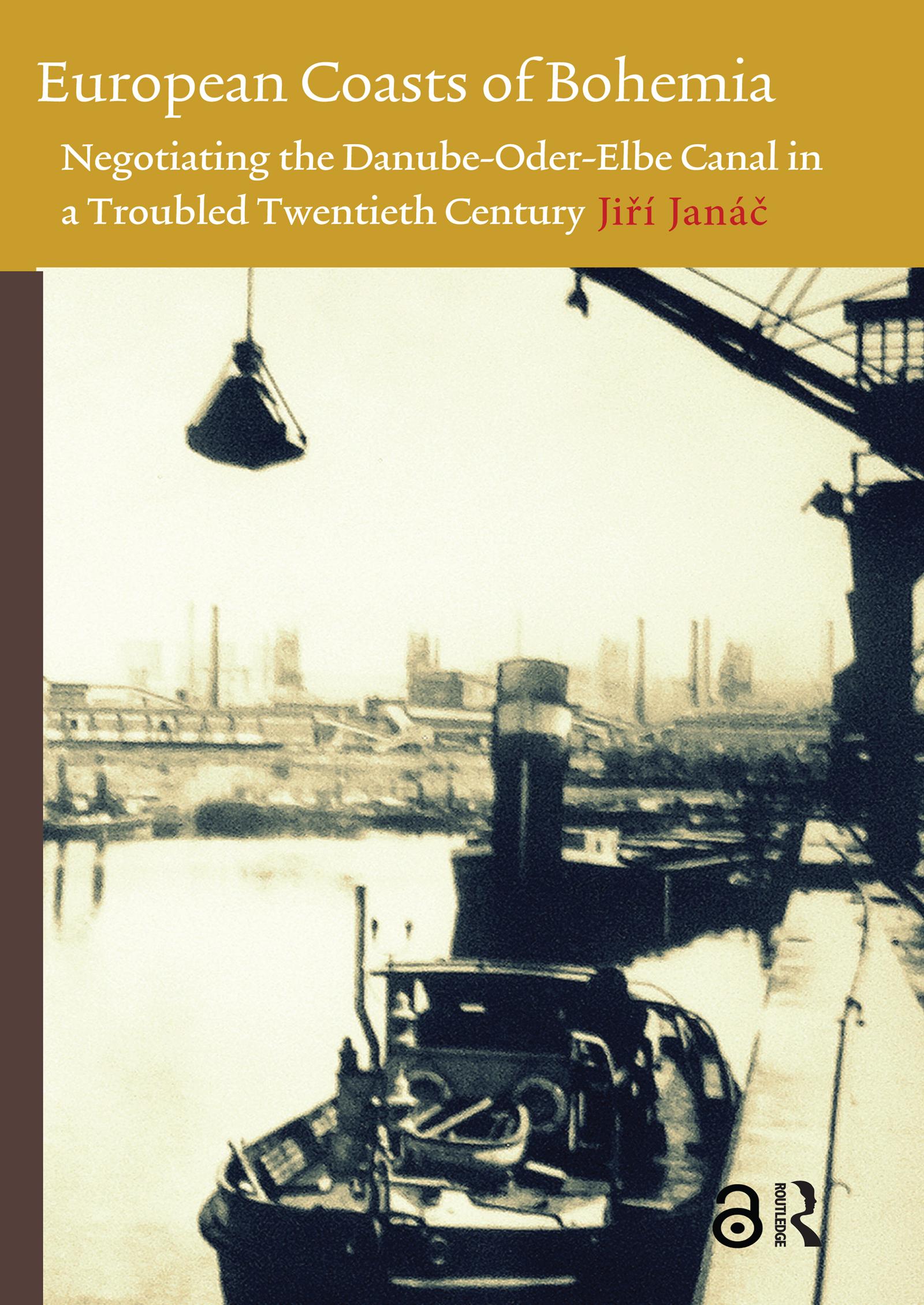
The Danube–Oder–Elbe Canal attracted a great deal of attention throughout the twentieth century. Its promoters, The Danube–Oder–Elbe Canal, attracted a great deal of attention throughout the twentieth century and defined it as a tool for integrating a divided Europe. Although the canal was situated almost exclusively on Czech territory, it promised to create an integrated waterway system across the Continent that would link Black Sea ports to Atlantic markets. In return, the landlocked Czechoslovakian state would have its own connections to the sea. Today, the canal is an important building block of the European Agreement on Main Inland Waterways.,This book provides a fascinating story of the experts who confronted and contributed to different and often conflicting geopolitical visions of Europe. The canal was never completed, yet what is more remarkable is the fact that the canal remained on various agendas and attracted vast resources throughout the twentieth century.
Betaal eenvoudig met kaart, Klarna, Apple Pay of Google Pay. Niet tevreden? Je hebt altijd 14 dagen bedenktijd. Lees meer in onze voorwaarden. Heb je vragen, mail ons dan via hello@memmo.org.
Memmo maakt studeren makkelijker – waar je ook bent ter wereld. Wij brengen je cursusboeken en slimme studietools samen op één plek: samenvattingen, quizzen, podcasts en flashcards. En Ted, je studievriend die antwoord geeft op alles wat je je afvraagt. Meer dan 50.000 studenten studeren hier al – gebouwd om je sneller te laten leren en minder stress te geven.
Misschien vind je dit ook leuk
Koop het boek0