
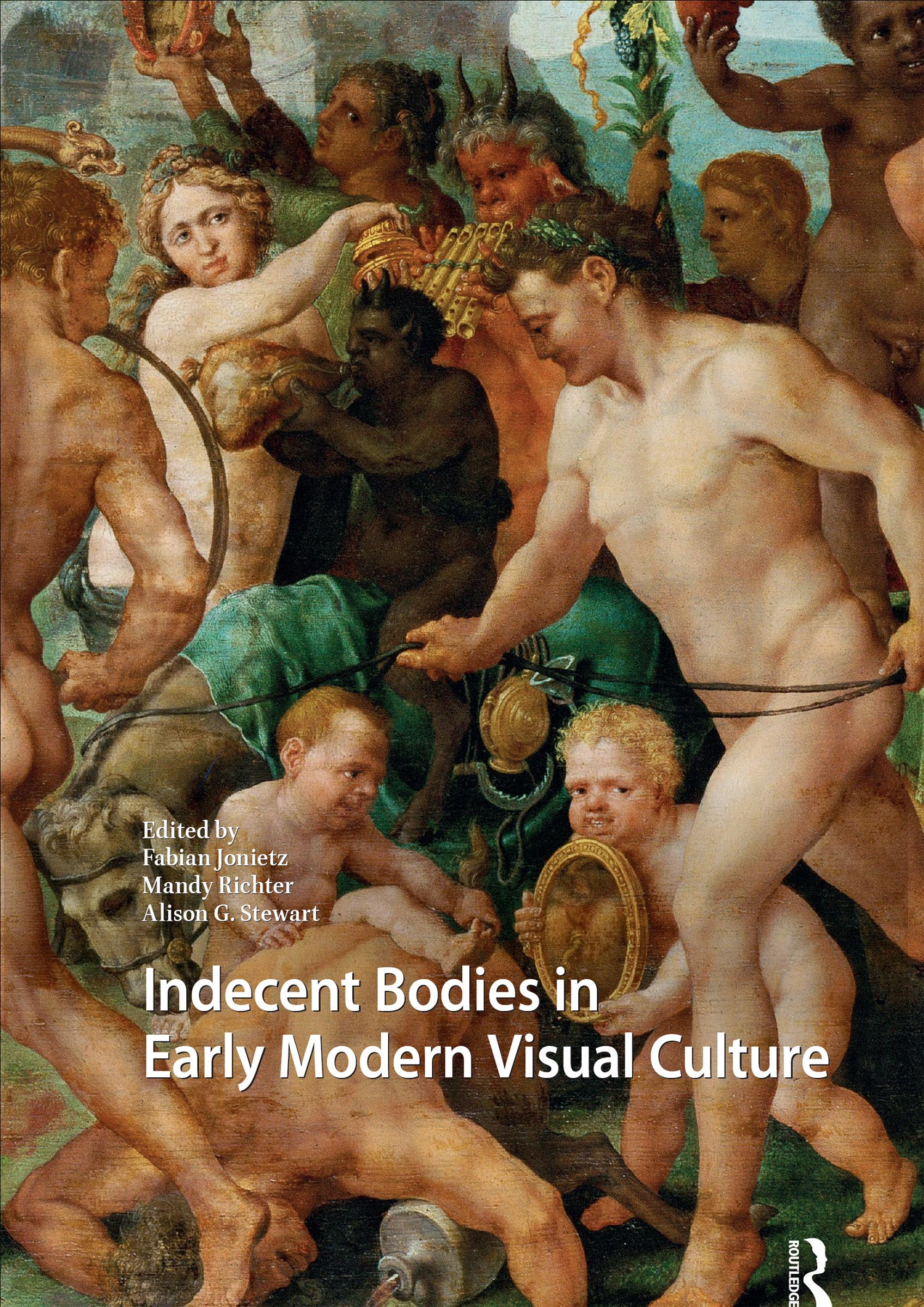
The life-like depiction of the body became a central interest and defining characteristic of the European Early Modern period that coincided with the establishment of which images of the body were to be considered ‘decent’ and representable, and which disapproved, censored, or prohibited. Simultaneously, artists and the public became increasingly interested in the depiction of specific body parts or excretions. This book explores the concept of indecency and its relation to the human body across drawings, prints, paintings, sculptures, and texts. The ten essays investigate questions raised by such objects about practices and social norms regarding the body, and they look at the particular function of those artworks within this discourse. The heterogeneous media, genres, and historical contexts north and south of the Alps studied by the authors demonstrate how the alleged indecency clashed with artistic intentions and challenges traditional paradigms of the historiography of Early Modern visual culture.
Betaal eenvoudig met kaart, Klarna, Apple Pay of Google Pay. Niet tevreden? Je hebt altijd 14 dagen bedenktijd. Lees meer in onze voorwaarden. Heb je vragen, mail ons dan via hello@memmo.org.
Memmo maakt studeren makkelijker – waar je ook bent ter wereld. Wij brengen je cursusboeken en slimme studietools samen op één plek: samenvattingen, quizzen, podcasts en flashcards. En Ted, je studievriend die antwoord geeft op alles wat je je afvraagt. Meer dan 50.000 studenten studeren hier al – gebouwd om je sneller te laten leren en minder stress te geven.
Misschien vind je dit ook leuk
Koop het boek0