
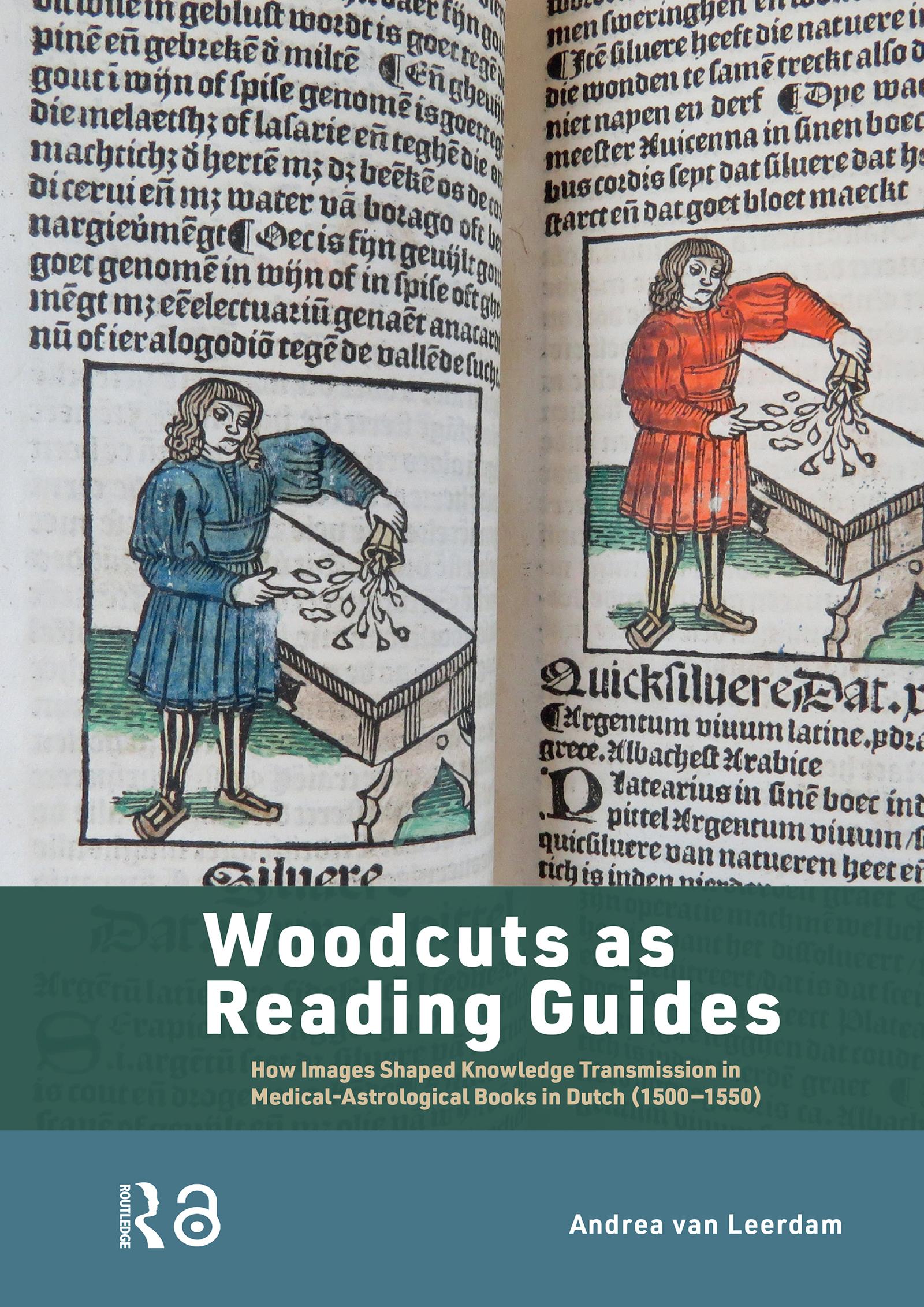
In the first half of the sixteenth century, the Low Countries saw the rise of a lively market for practical and instructive books that targeted non-specialist readers. This study shows how woodcuts in vernacular books on medicine and astrology fulfilled important rhetorical functions in knowledge communication. These images guided readers’ perceptions of the organisation, visualisation, and reliability of knowledge. Andrea van Leerdam uncovers the assumptions and intentions of book producers to which images testify, and shows how actual readers engaged with these illustrated books. Drawing on insights from the field of information design studies, she scrutinises the books’ material characteristics, including their lay-outs and traces of use, to shed light on the habits and interests of early modern readers. She situates these works in a culture where medicine and astrology were closely interwoven in daily life and where both book producers and readers were exploring the potential of images.
Betaal eenvoudig met kaart, Klarna, Apple Pay of Google Pay. Niet tevreden? Je hebt altijd 14 dagen bedenktijd. Lees meer in onze voorwaarden. Heb je vragen, mail ons dan via hello@memmo.org.
Memmo maakt studeren makkelijker – waar je ook bent ter wereld. Wij brengen je cursusboeken en slimme studietools samen op één plek: samenvattingen, quizzen, podcasts en flashcards. En Ted, je studievriend die antwoord geeft op alles wat je je afvraagt. Meer dan 50.000 studenten studeren hier al – gebouwd om je sneller te laten leren en minder stress te geven.
Misschien vind je dit ook leuk
Koop het boek0