
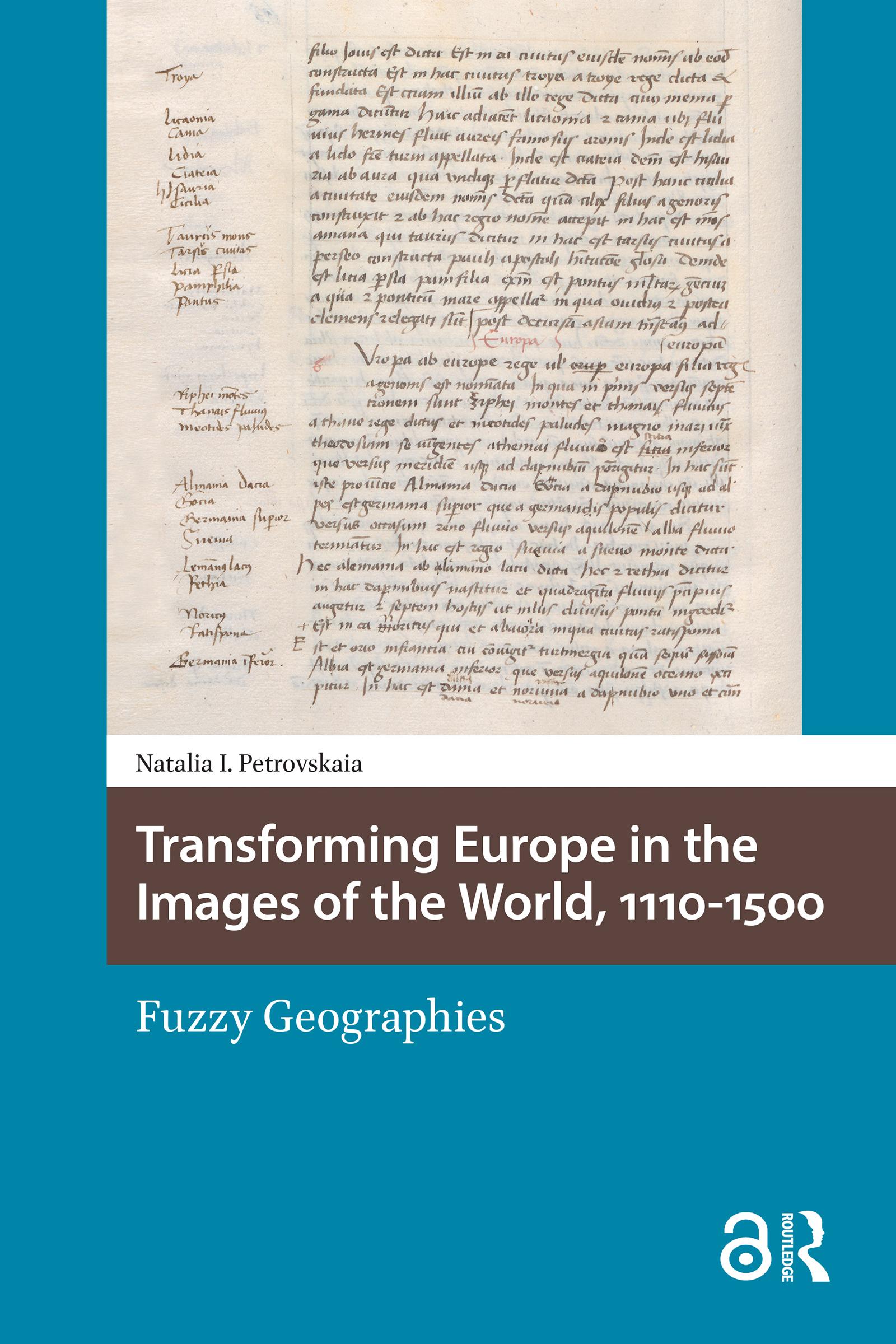
This is the first book to examine the wide and important geographical tradition that arose from the description of the world in the Imago mundi – a medieval encyclopedic bestseller, almost unrivalled in popularity from its composition in the 1110s well into the age of print. The Imago mundi was translated into most European vernaculars and extracts from it were adapted into vernacular works ranging from encyclopedias to literary fiction, verse and prose. This is the first study to examine this tradition as a unified whole. It focuses in particular on the permutations undergone by the depiction of the region designated as ‘Europe’ in the original text and its later adaptations. The book demonstrates the incredible flexibility of the original text and how this enabled the transformation of this spatial description to suit the linguistic, political and cultural needs of vernacular adaptations.
Betaal eenvoudig met kaart, Klarna, Apple Pay of Google Pay. Niet tevreden? Je hebt altijd 14 dagen bedenktijd. Lees meer in onze voorwaarden. Heb je vragen, mail ons dan via hello@memmo.org.
Memmo maakt studeren makkelijker – waar je ook bent ter wereld. Wij brengen je cursusboeken en slimme studietools samen op één plek: samenvattingen, quizzen, podcasts en flashcards. En Ted, je studievriend die antwoord geeft op alles wat je je afvraagt. Meer dan 50.000 studenten studeren hier al – gebouwd om je sneller te laten leren en minder stress te geven.