
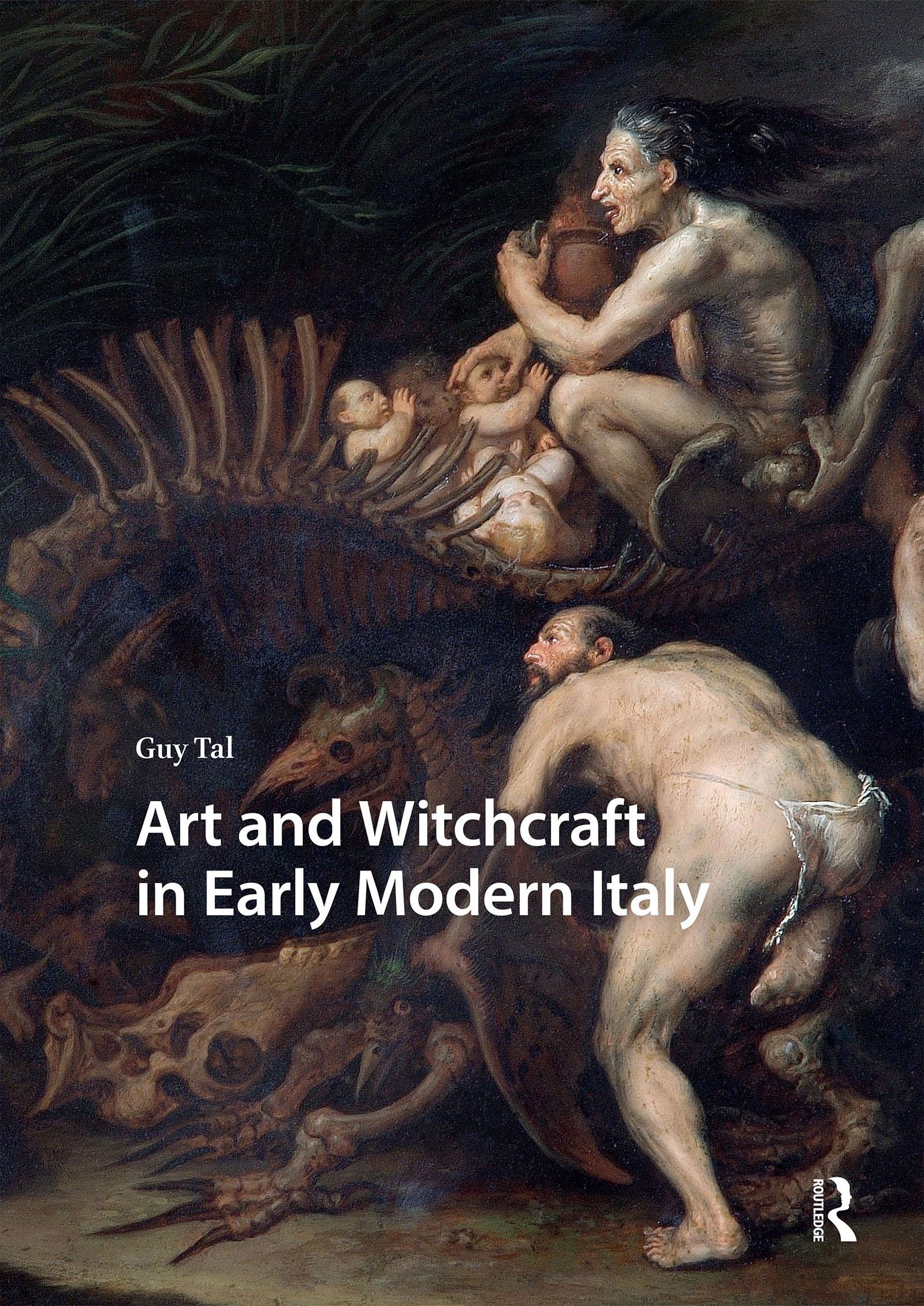
The figure of the witch is familiar from the work of early modern German, Dutch, and Flemish artists, but much less so in the work of their Italian counterparts. Art and Witchcraft in Early Modern Italy seeks to explore the ways in which representations of witchcraft emerged from and coincided with the main cultural currents and artistic climate of an epoch chiefly celebrated for its humanistic and rational approaches. Through an in-depth examination of a panoply of arresting paintings, engravings, and drawings—variously portraying a hag-ridden colossal phallus, a horror-stricken necromancer dodging the devil’s scrabbling claws, and a nocturnal procession presided over by an infanticidal crone—Guy Tal offers new ways of reading witchcraft images through and beyond conventional iconography. Artists such as Parmigianino, Alessandro Allori, Leonello Spada, and Angelo Caroselli effected visual commentaries on demonological notions that engaged their audience in a tantalizing experience of interpretation.
Betaal eenvoudig met kaart, Klarna, Apple Pay of Google Pay. Niet tevreden? Je hebt altijd 14 dagen bedenktijd. Lees meer in onze voorwaarden. Heb je vragen, mail ons dan via hello@memmo.org.
Memmo maakt studeren makkelijker – waar je ook bent ter wereld. Wij brengen je cursusboeken en slimme studietools samen op één plek: samenvattingen, quizzen, podcasts en flashcards. En Ted, je studievriend die antwoord geeft op alles wat je je afvraagt. Meer dan 50.000 studenten studeren hier al – gebouwd om je sneller te laten leren en minder stress te geven.