
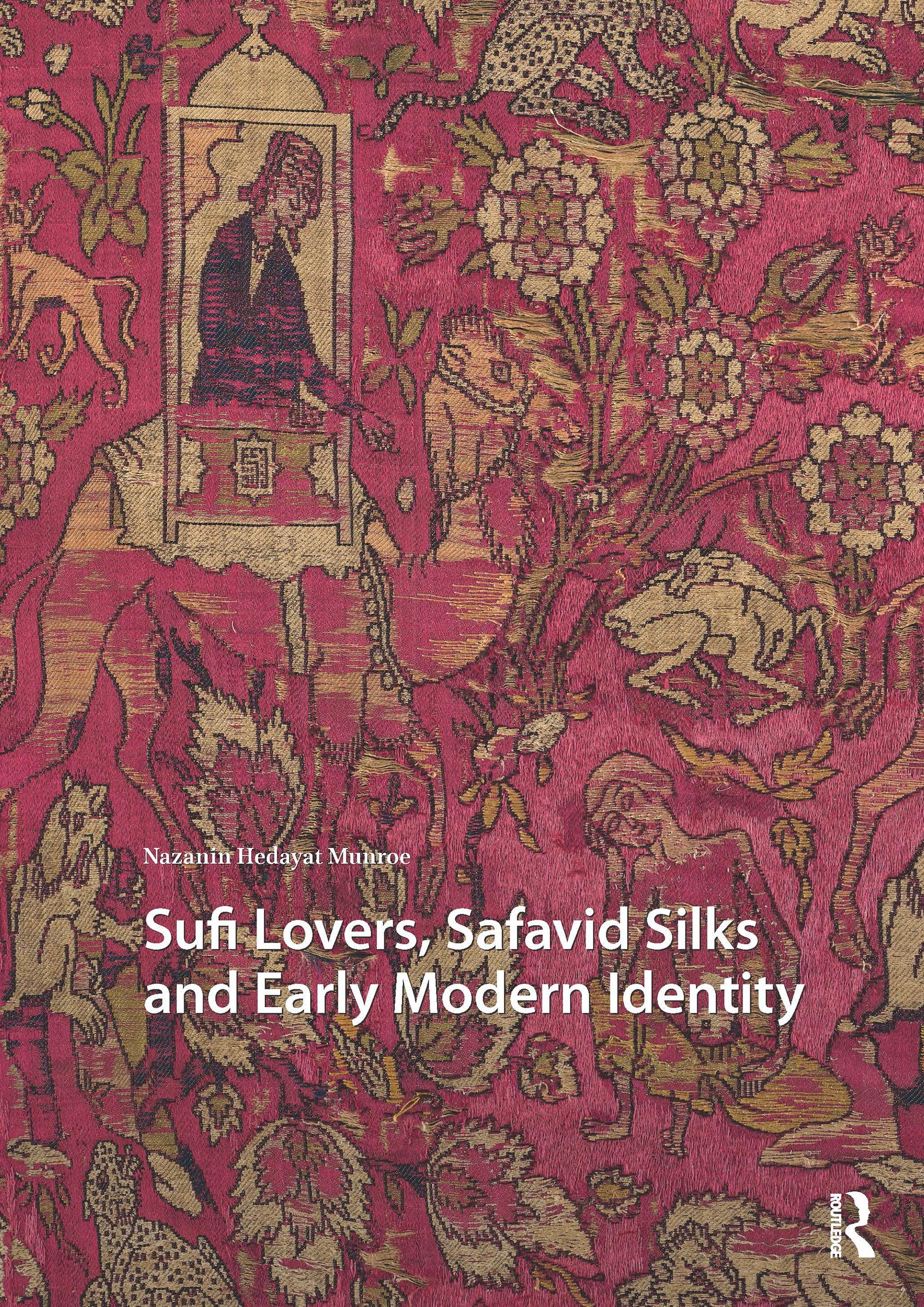
This book examines a group of sixteenth- and seventeenth-century figural silks depicting legendary lovers from the Khamsa (Quintet) of epic Persian poetry. Codified by Nizami Ganjavi in the twelfth century, the Khamsa gained popularity in the Persian-speaking realm through illustrated manuscripts produced for the elite, creating a template for illustrating climactic scenes in the love stories of “Layla and Majnun” and “Khusrau and Shirin” that appear on early modern silks. Attributed to Safavid Iran, the publication proposes that dress fashioned from these silks represented Sufi ideals based on the characters. Migration of weavers between Safavid and Mughal courts resulted in producing goods for a sophisticated and educated elite, demonstrating shared cultural values and potential reattribution. Through an examination of primary source materials, literary analysis of the original text, and close iconographical study of figural designs, the study presents original cross-disciplinary arguments about patronage, provenance, and the socio-cultural significance of wearing these silks.
Betaal eenvoudig met kaart, Klarna, Apple Pay of Google Pay. Niet tevreden? Je hebt altijd 14 dagen bedenktijd. Lees meer in onze voorwaarden. Heb je vragen, mail ons dan via hello@memmo.org.
Memmo maakt studeren makkelijker – waar je ook bent ter wereld. Wij brengen je cursusboeken en slimme studietools samen op één plek: samenvattingen, quizzen, podcasts en flashcards. En Ted, je studievriend die antwoord geeft op alles wat je je afvraagt. Meer dan 50.000 studenten studeren hier al – gebouwd om je sneller te laten leren en minder stress te geven.