
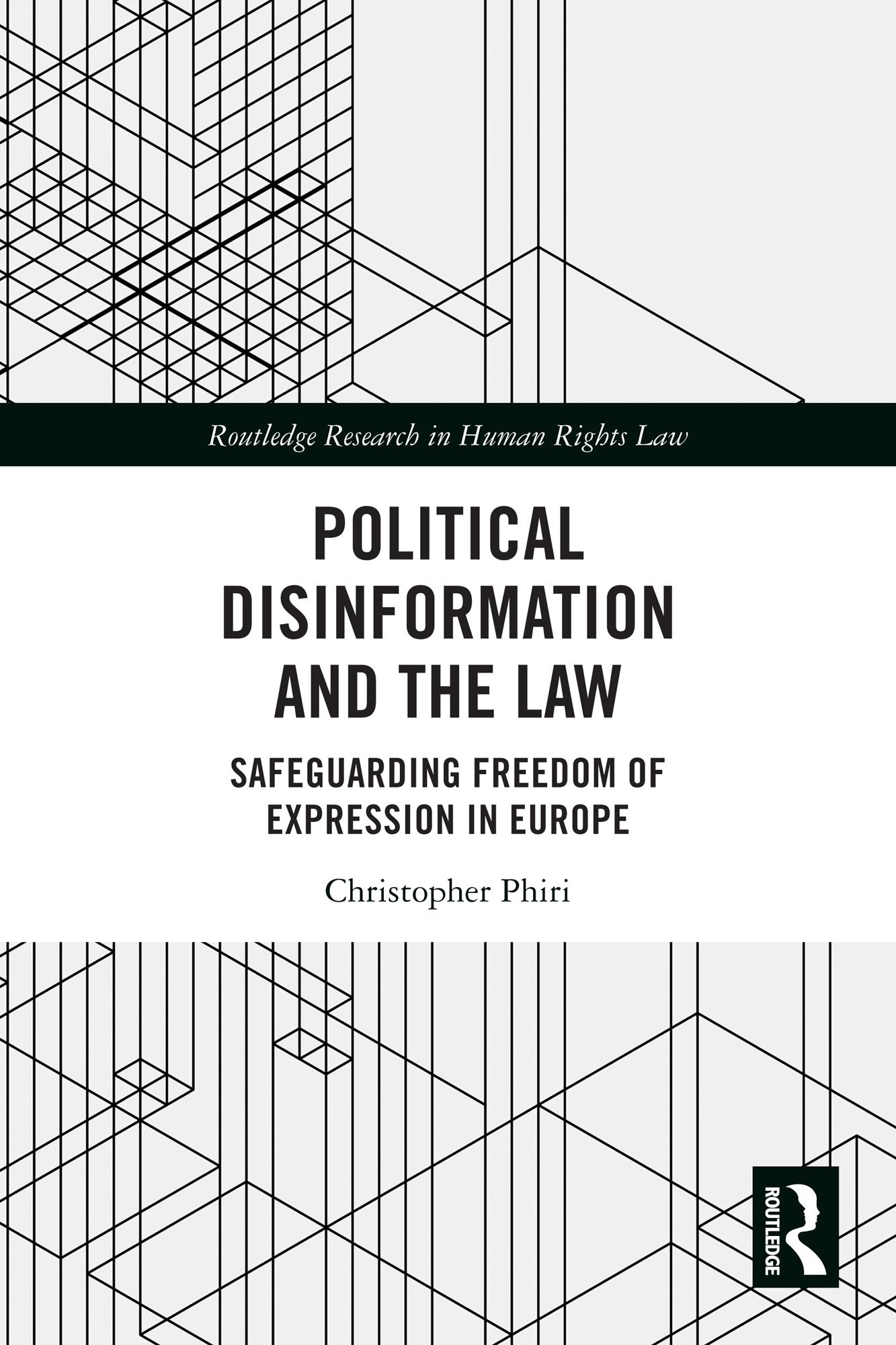
Political disinformation, broadly understood as disinformation relating to matters of public interest, presents a pervasive challenge in today’s information landscape. This book argues that the state can, and indeed has a duty to, regulate the phenomenon of political disinformation in a holistic manner, while both preserving and safeguarding freedom of expression, in particular by providing for a suitable combination of correction and sanction mechanisms. The book builds on relevant analytical and normative insights from the field of political philosophy and uses the legal framework of the Council of Europe as its main point of reference. It begins by dissecting key concepts underpinning the ongoing scholarly and policy discourse on disinformation, clarifying the meaning and scope of ‘freedom’ in general, and ‘freedom of expression’ in particular, as well as ‘disinformation’ in general, and ‘political disinformation’ in particular. This conceptual groundwork in turn helps make out the case for regulating political disinformation and informs the choice of the suggested regulatory strategies. The book promises to be a valuable resource for academics, judges and policymakers, particularly those working in the areas of human rights law, media law, public law, legal philosophy, media studies, communication studies and information science.
Betaal eenvoudig met kaart, Klarna, Apple Pay of Google Pay. Niet tevreden? Je hebt altijd 14 dagen bedenktijd. Lees meer in onze voorwaarden. Heb je vragen, mail ons dan via hello@memmo.org.
Memmo maakt studeren makkelijker – waar je ook bent ter wereld. Wij brengen je cursusboeken en slimme studietools samen op één plek: samenvattingen, quizzen, podcasts en flashcards. En Ted, je studievriend die antwoord geeft op alles wat je je afvraagt. Meer dan 50.000 studenten studeren hier al – gebouwd om je sneller te laten leren en minder stress te geven.