
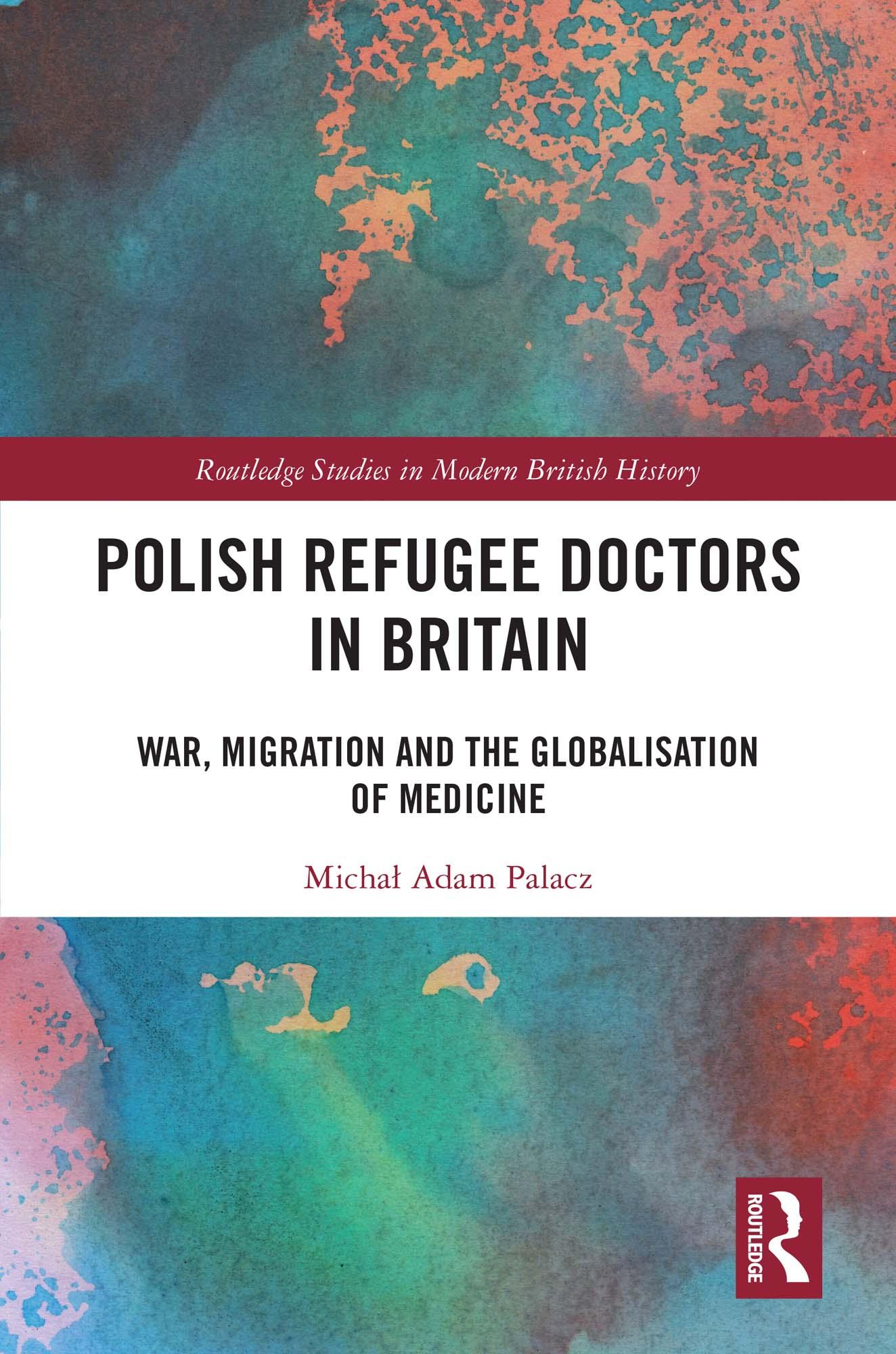
Combining global history methods with insights from migration studies, this book discusses refugee integration and challenges the view of medical migration as a “brain drain” of foreign-trained professionals that benefits only the receiving society.
This volume explores the reception of Polish refugee doctors and medical students within the broader context of increasingly restrictive immigration policies in Britain. While many British physicians in the 1930s and 1940s opposed the recognition of foreign medical qualifications, the admission of persecuted physicians from the mainland was advocated on humanitarian grounds by many prominent academics and clinicians who also saw in the arrival of scientifically trained Europeans an opportunity to modernise British medicine. This book examines the changing attitudes towards Polish medical refugees in Britain and adopts Paul Weindling’s “total population approach”, which takes into account not only well-integrated high achievers but also those who, for various reasons, were not able to resume successful professional careers in different countries of post-war settlement.
Polish Refugee Doctors in Britain will be invaluable to researchers and post-graduate students interested in the history of medicine, migration studies and World War II. It will also be of interest to medical practitioners and Polish communities in Britain and North America, particularly members of the Polish Medical Association in Great Britain.
Betaal eenvoudig met kaart, Klarna, Apple Pay of Google Pay. Niet tevreden? Je hebt altijd 14 dagen bedenktijd. Lees meer in onze voorwaarden. Heb je vragen, mail ons dan via hello@memmo.org.
Memmo maakt studeren makkelijker – waar je ook bent ter wereld. Wij brengen je cursusboeken en slimme studietools samen op één plek: samenvattingen, quizzen, podcasts en flashcards. En Ted, je studievriend die antwoord geeft op alles wat je je afvraagt. Meer dan 50.000 studenten studeren hier al – gebouwd om je sneller te laten leren en minder stress te geven.