
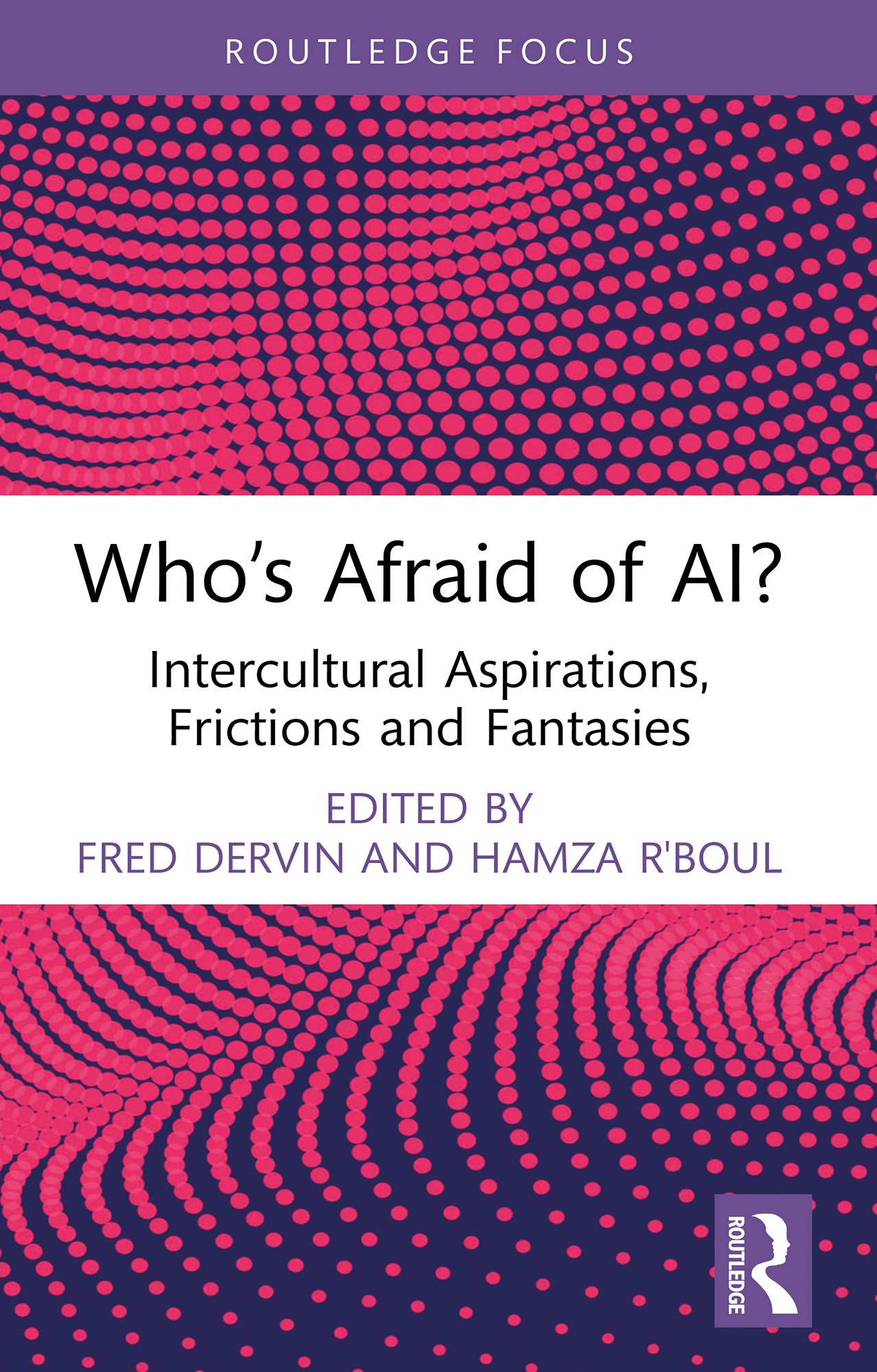
This timely edited volume challenges the potentially simplistic blame narratives surrounding artificial intelligence (AI), urging instead a shared ethical responsibility among users, researchers, policymakers, and others.
Rejecting the notion of AI as an autonomous 'evil', the book interrogates how human choices embedded in power structures, colonial legacies, and ideological frameworks can shape AI's impact on intercultural relations. Through decolonial critiques, dialogic experiments, and perspectives from the Global South, the contributors expose algorithmic biases, epistemic injustices, and governance gaps, while advocating for collective agency. From African Ubuntu ethics to Moroccan linguistic and cultural equity, and the political economy of creative industries, the book portrays AI as a mirror of human complexities and contradictions rather than a scapegoat.
A vital resource for students and scholars of intercultural communication education and research, this book calls for reflexive engagement with AI, emphasising co-accountability over unfounded dread.
Betaal eenvoudig met kaart, Klarna, Apple Pay of Google Pay. Niet tevreden? Je hebt altijd 14 dagen bedenktijd. Lees meer in onze voorwaarden. Heb je vragen, mail ons dan via hello@memmo.org.
Memmo maakt studeren makkelijker – waar je ook bent ter wereld. Wij brengen je cursusboeken en slimme studietools samen op één plek: samenvattingen, quizzen, podcasts en flashcards. En Ted, je studievriend die antwoord geeft op alles wat je je afvraagt. Meer dan 50.000 studenten studeren hier al – gebouwd om je sneller te laten leren en minder stress te geven.