
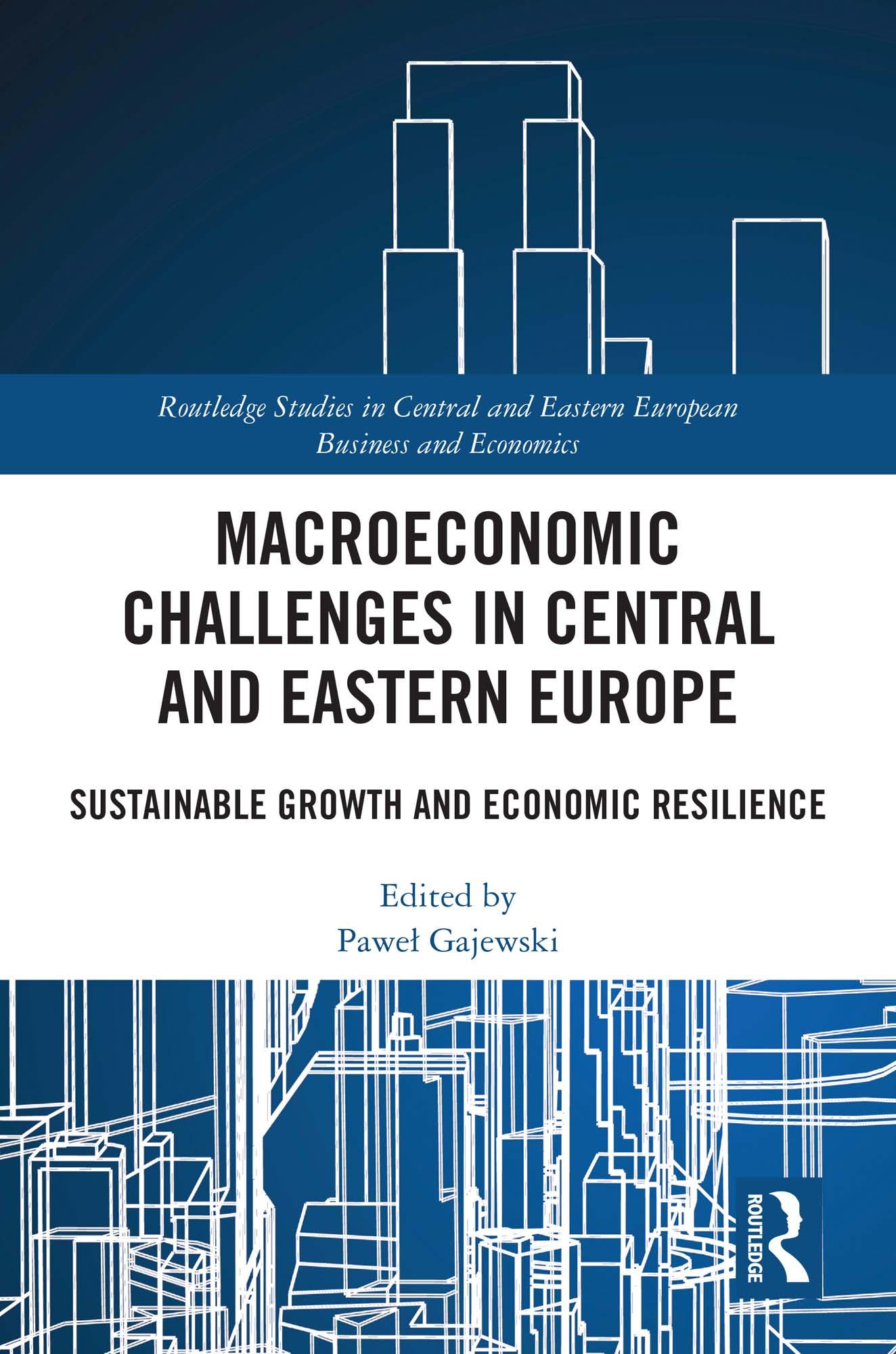
Three decades after the fall of communism, the Central and Eastern European (CEE) countries have achieved income convergence that would have seemed implausible in 1990. This book argues that the growth model which powered this catch‑up, built on integration into foreign‑controlled value chains, large capital inflows, technology adoption rather than indigenous creation, and EU (European Union) transfers, has also created structural dependencies that now constrain further development. Income convergence, in other words, has occurred without comparable convergence in productive capabilities.
Eight thematic chapters examine how this tension plays out across specific domains: macroeconomic convergence and divergence, the evolving role of foreign direct investment (FDI) and productivity, export competitiveness, the deceleration of global trade, energy transition, agricultural modernisation under the
common agricultural policy (CAP), demographic change, and fiscal policy under competing pressures from defence spending, ageing populations, and decarbonisation. The analysis introduces several integrating concepts and draws comparisons with Southern European and East Asian development trajectories.
This book is intended for scholars and advanced students in economics and European studies, policymakers in national governments and EU institutions, and informed readers seeking to understand what lies beneath CEE’s convergence headline and what the region must do differently to sustain its progress.
Paweł Gajewski is Head of the Department of Macroeconomics, University of Łódź, Poland.
Betaal eenvoudig met kaart, Klarna, Apple Pay of Google Pay. Niet tevreden? Je hebt altijd 14 dagen bedenktijd. Lees meer in onze voorwaarden. Heb je vragen, mail ons dan via hello@memmo.org.
Memmo maakt studeren makkelijker – waar je ook bent ter wereld. Wij brengen je cursusboeken en slimme studietools samen op één plek: samenvattingen, quizzen, podcasts en flashcards. En Ted, je studievriend die antwoord geeft op alles wat je je afvraagt. Meer dan 50.000 studenten studeren hier al – gebouwd om je sneller te laten leren en minder stress te geven.