
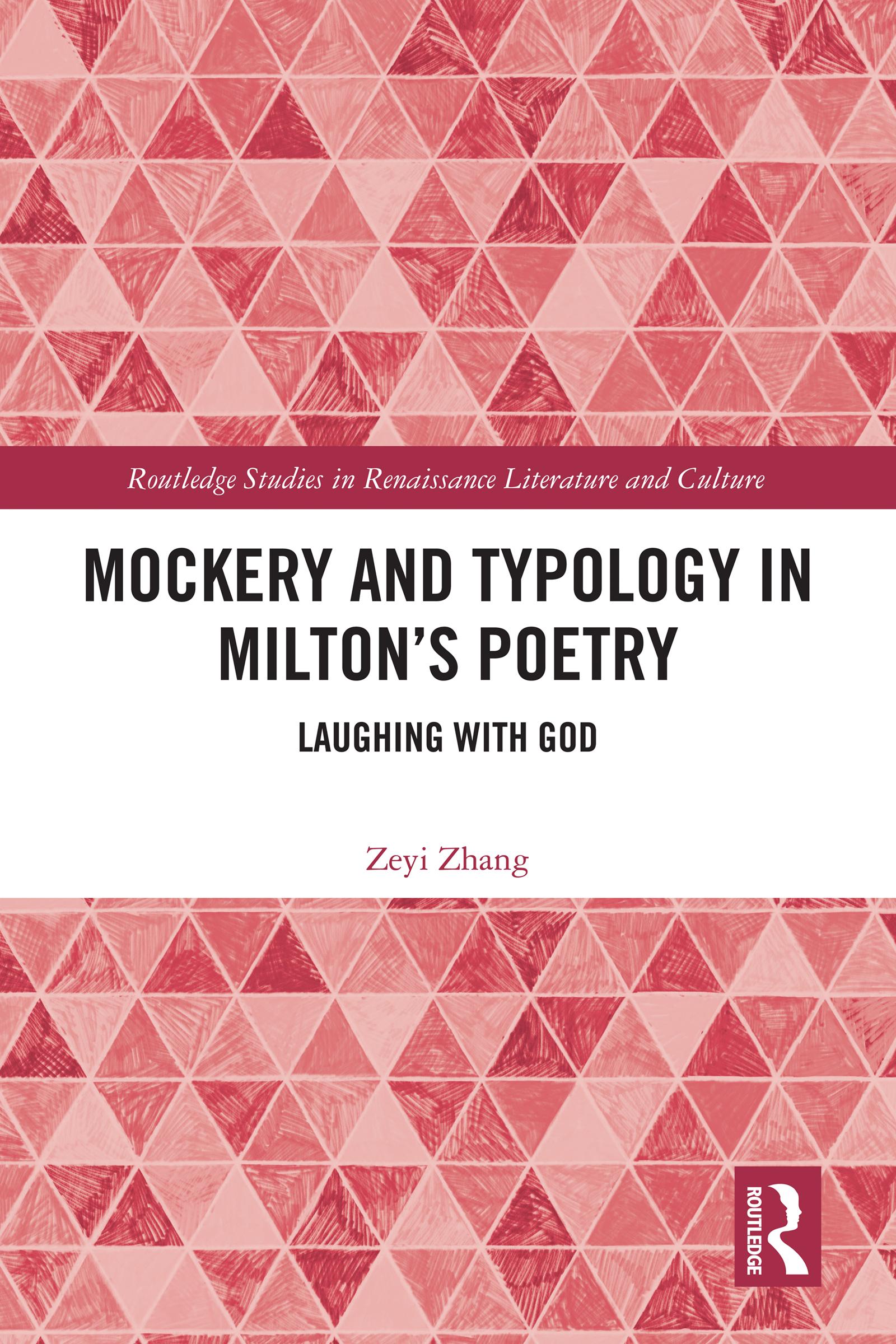
This book examines the typological significance of Milton’s use of mockery in his major poetic works. In Milton’s poetry, mockery has a constructive purpose that transcends the primarily destructive and condemnatory function of comic ridicule. Engaging human affections, mockery plays a mediating role and connects reason and appetite. Oriented toward Christ’s endurance of mockery on the cross and his mocking defeat of the devil in the Resurrection, the exchanges of mockery between Milton’s protagonists and antagonists demonstrate how mockery strengthens the human soul and unifies reason and the mortal body, enabling the participation in God’s laughter. Revisiting Milton’s poetry with special attention to mockery and typology shows the thematic potential of laughter in non-comedic works of literature. From the reader’s perspective, mockery in Milton’s poetry also bears a pedagogical function, showing us how to laugh with God in a postlapsarian world of imperfection.
Betaal eenvoudig met kaart, Klarna, Apple Pay of Google Pay. Niet tevreden? Je hebt altijd 14 dagen bedenktijd. Lees meer in onze voorwaarden. Heb je vragen, mail ons dan via hello@memmo.org.
Memmo maakt studeren makkelijker – waar je ook bent ter wereld. Wij brengen je cursusboeken en slimme studietools samen op één plek: samenvattingen, quizzen, podcasts en flashcards. En Ted, je studievriend die antwoord geeft op alles wat je je afvraagt. Meer dan 50.000 studenten studeren hier al – gebouwd om je sneller te laten leren en minder stress te geven.