
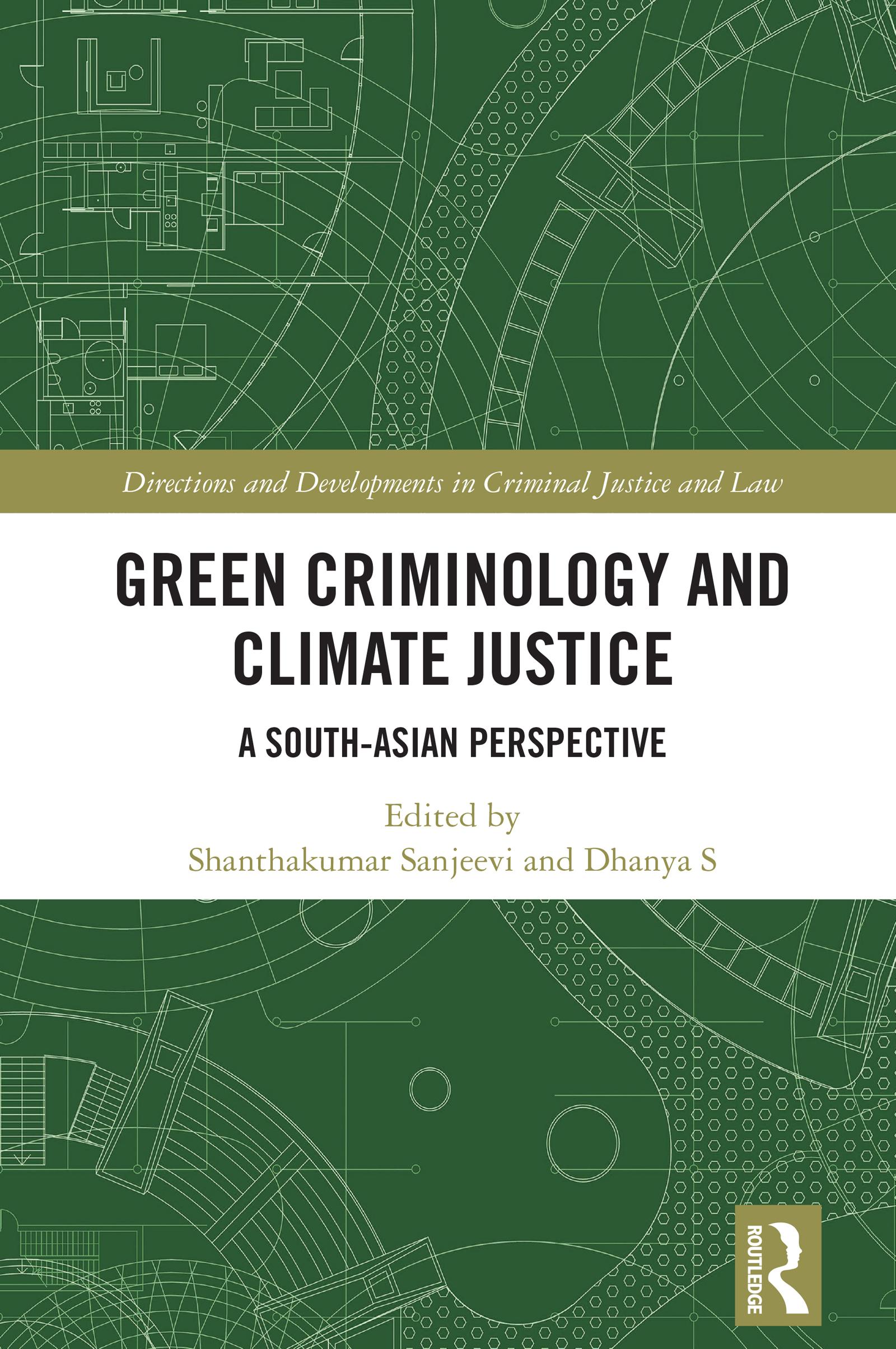
This book investigates the jurisdictions and strategies adopted by corporations, governments, and individuals in dealing with green criminology. It provides readers with an in-depth understanding of the issues contributing to climate change, the challenges caused, and the best practices for mitigation adopted by the selected countries. The book brings together experts on green criminology and climate justice from the South Asian Region, comprising both theoretical and empirical chapters. It specifically deals with the theoretical analyses of the role of mens rea and negligence in green criminology; non-speciest views on green criminology; green crimes such as illegal trade of wildlife, illegal waste dumping, and ecocide and carbon criminals; transnational green crimes; the role of corporations in green crimes; victims of green crimes and the mitigating strategies. The book focuses on overlapping environmental law and policy with corporate and governmental crimes against the environment and environmental justice movements, all based on criminological perspectives. Acting as a gateway of knowledge for students and academicians looking to delve deeper into the constantly evolving domain of green criminology, this book will be of great interest to those researching both criminology and law, as well as South Asian Studies more broadly.
Betaal eenvoudig met kaart, Klarna, Apple Pay of Google Pay. Niet tevreden? Je hebt altijd 14 dagen bedenktijd. Lees meer in onze voorwaarden. Heb je vragen, mail ons dan via hello@memmo.org.
Memmo maakt studeren makkelijker – waar je ook bent ter wereld. Wij brengen je cursusboeken en slimme studietools samen op één plek: samenvattingen, quizzen, podcasts en flashcards. En Ted, je studievriend die antwoord geeft op alles wat je je afvraagt. Meer dan 50.000 studenten studeren hier al – gebouwd om je sneller te laten leren en minder stress te geven.