
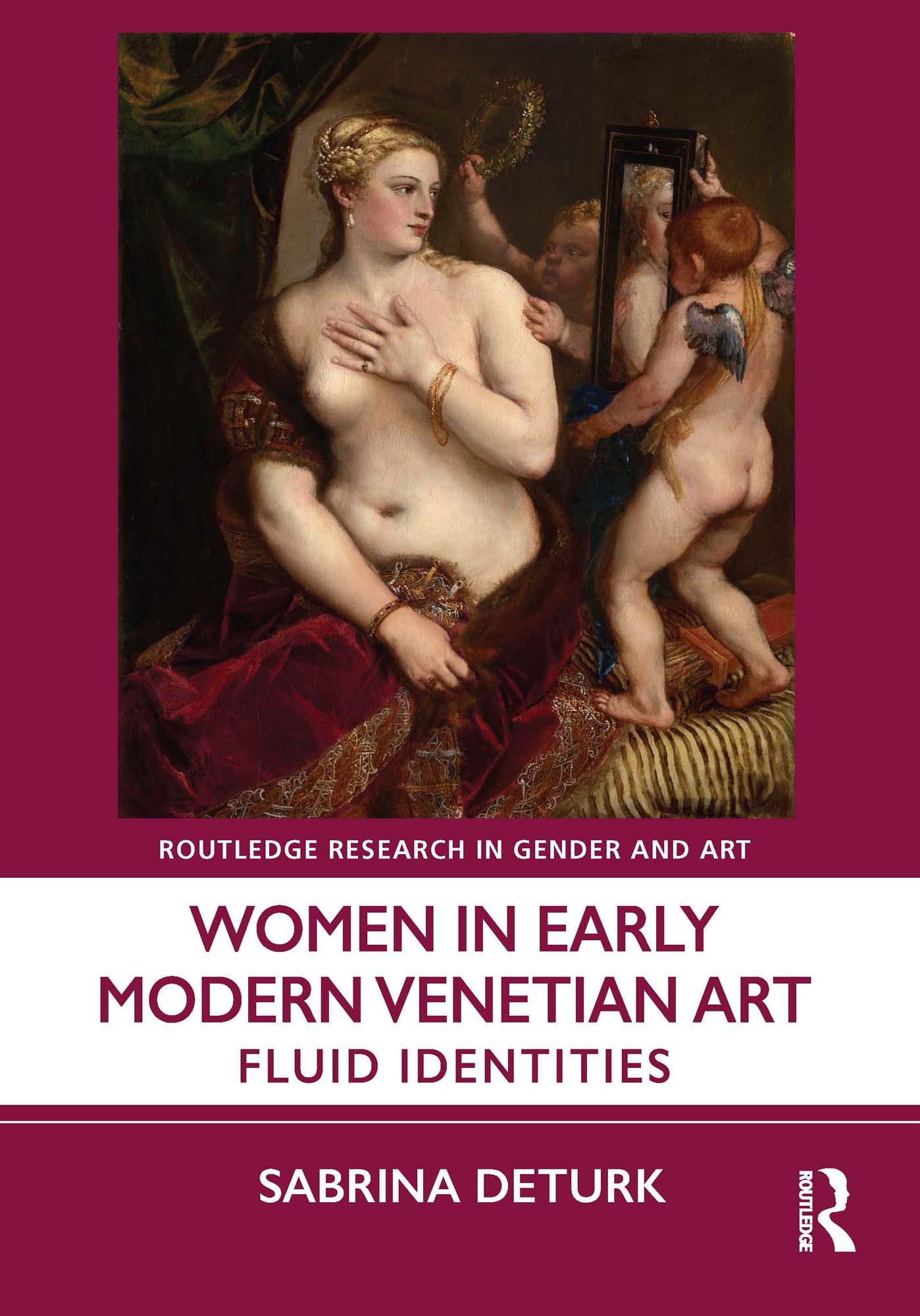
Through several case studies, this book suggests ways in which the art of early modern Venice, particularly its paintings, may be interpreted through a hybrid analysis of their visual form and social context to expand our understanding of women as active participants in the social, intellectual, economic, and political life of the early modern Republic.
In the same way that the urban character and identity of early modern Venice can be seen as liminal and changeable, the art of the city also evinces a mutability, a way in which images are never exactly what they seem to be. This, Sabrina DeTurk argues, is particularly true in reference to the representation of women in the art of fifteenth- and sixteenth-century Venetian art. Chapters allow the artworks, along with other objects of material culture, to enter into new conversations with each other, with their original audiences and with contemporary viewers in ways that allow a fuller understanding of the complex and sometimes contradictory nature of women’s lives in Renaissance Venice.
This book will be of interest to scholars working in art history, gender studies, and Renaissance studies.
Betaal eenvoudig met kaart, Klarna, Apple Pay of Google Pay. Niet tevreden? Je hebt altijd 14 dagen bedenktijd. Lees meer in onze voorwaarden. Heb je vragen, mail ons dan via hello@memmo.org.
Memmo maakt studeren makkelijker – waar je ook bent ter wereld. Wij brengen je cursusboeken en slimme studietools samen op één plek: samenvattingen, quizzen, podcasts en flashcards. En Ted, je studievriend die antwoord geeft op alles wat je je afvraagt. Meer dan 50.000 studenten studeren hier al – gebouwd om je sneller te laten leren en minder stress te geven.