
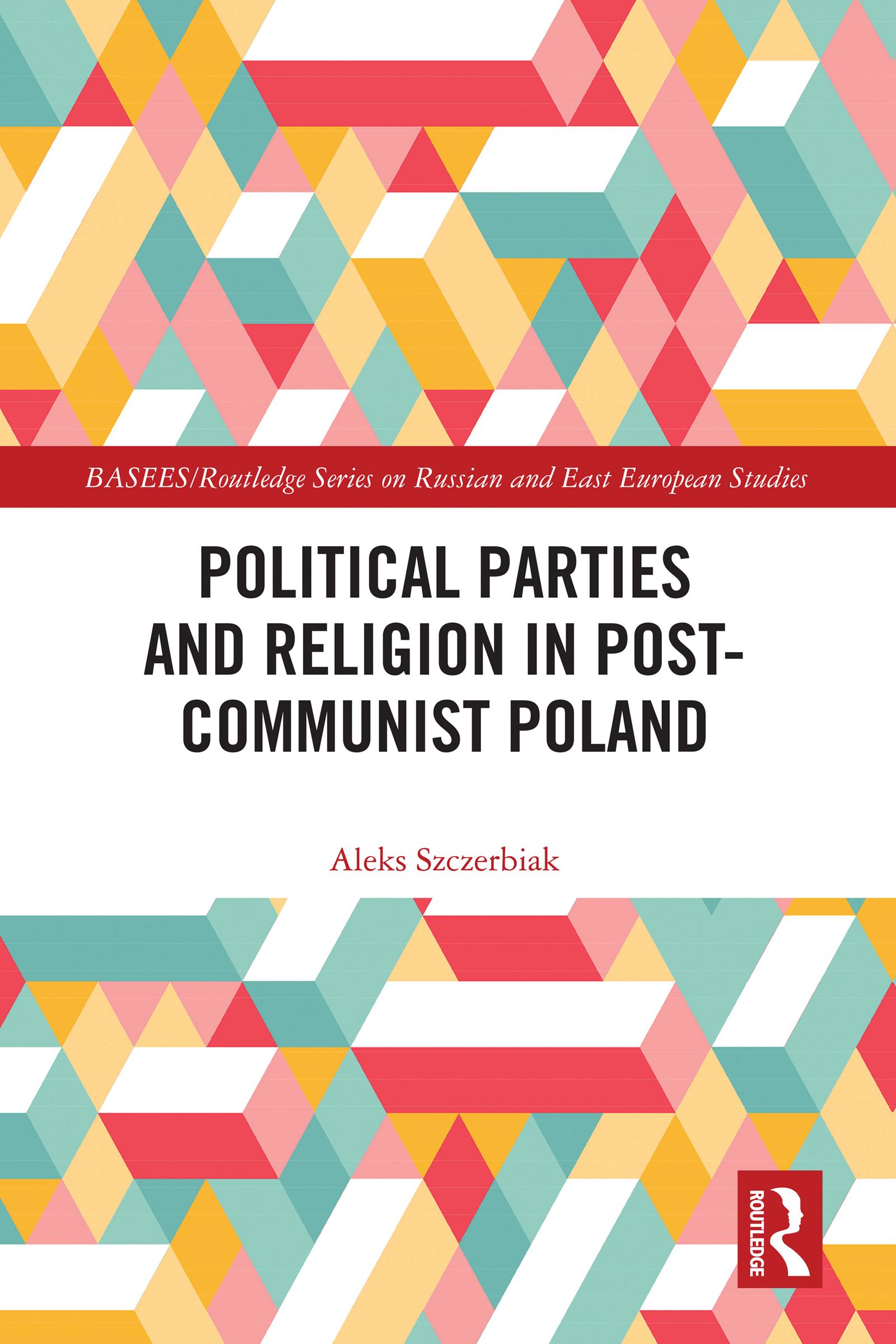
This book examines the role of religion and the Catholic Church in post-communist Polish politics. It outlines the special circumstances of Poland, a country with very high levels of religiosity, where the Catholic Church played a crucial role in the process that led to the collapse of communism in 1989.
Based on extensive original research, the book highlights the great complexity in the relationship, with some parties actively associating themselves with the Church’s moral authority, while at the same time many Poles oppose key elements of the Church’s public policy agenda, and some parties mobilise politically around anticlericalism. By examining this important country case study, the work also contributes to the broader comparative-theoretical literature on parties and religion, enhancing our understanding of how parties in modern European democracies relate to religious groupings, particularly how they attempt to mobilise political and electoral support around the religious–secular divide. It thereby helps us to understand the role that religion has played in contemporary European party politics.
As a definitive grounded empirical examination of the role of religion and politics in post-1989 Poland, this study will be of interest to scholars of Central and East European studies, Eastern European politics, religion and politics.
Betaal eenvoudig met kaart, Klarna, Apple Pay of Google Pay. Niet tevreden? Je hebt altijd 14 dagen bedenktijd. Lees meer in onze voorwaarden. Heb je vragen, mail ons dan via hello@memmo.org.
Memmo maakt studeren makkelijker – waar je ook bent ter wereld. Wij brengen je cursusboeken en slimme studietools samen op één plek: samenvattingen, quizzen, podcasts en flashcards. En Ted, je studievriend die antwoord geeft op alles wat je je afvraagt. Meer dan 50.000 studenten studeren hier al – gebouwd om je sneller te laten leren en minder stress te geven.