
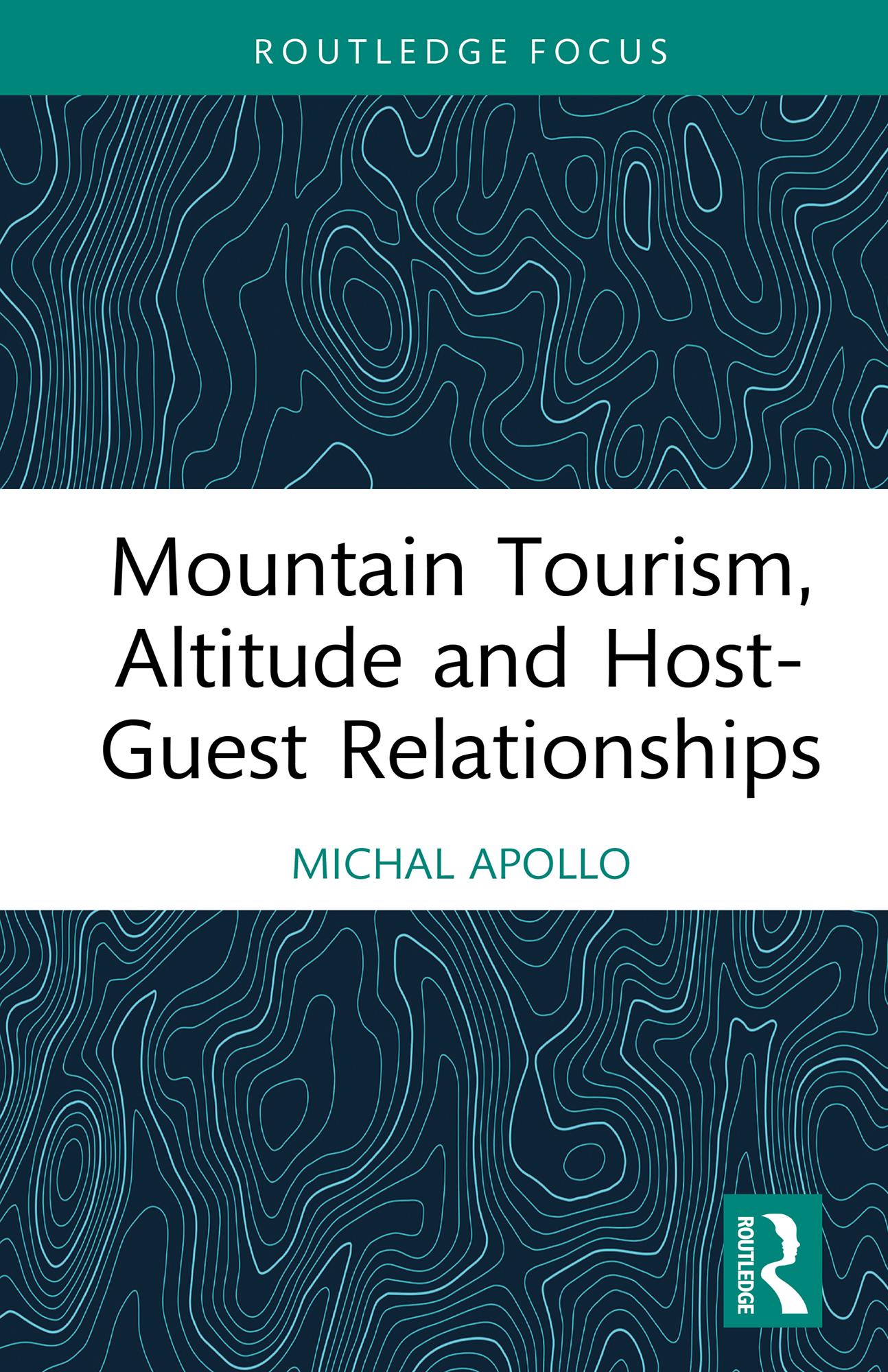
This insightful volume critically explores whether higher altitude of habitation affects host-guest exchanges in mountaineering tourism, in an effort to better understand and manage vulnerable destinations in a sustainable manner.
The book is based on empirical research conducted in the Mount Everest area in Nepal, part of the Sagarmatha National Park, which is a popular destination among tourists engaging in high-altitude mountaineering (subdivided into hiking, trekking and mountain climbing). By doing so it offers essential knowledge of mountaineering tourism whilst detailing recent developments linked to the diversification, commodification and commercialisation of mountaineering activity. This is discussed alongside the potentially positive impacts for marginalised high mountain communities.
This book is essential reading for students, academics, industry representatives and policymakers with an interest in adventure tourism and mountaineering.
Betaal eenvoudig met kaart, Klarna, Apple Pay of Google Pay. Niet tevreden? Je hebt altijd 14 dagen bedenktijd. Lees meer in onze voorwaarden. Heb je vragen, mail ons dan via hello@memmo.org.
Memmo maakt studeren makkelijker – waar je ook bent ter wereld. Wij brengen je cursusboeken en slimme studietools samen op één plek: samenvattingen, quizzen, podcasts en flashcards. En Ted, je studievriend die antwoord geeft op alles wat je je afvraagt. Meer dan 50.000 studenten studeren hier al – gebouwd om je sneller te laten leren en minder stress te geven.