
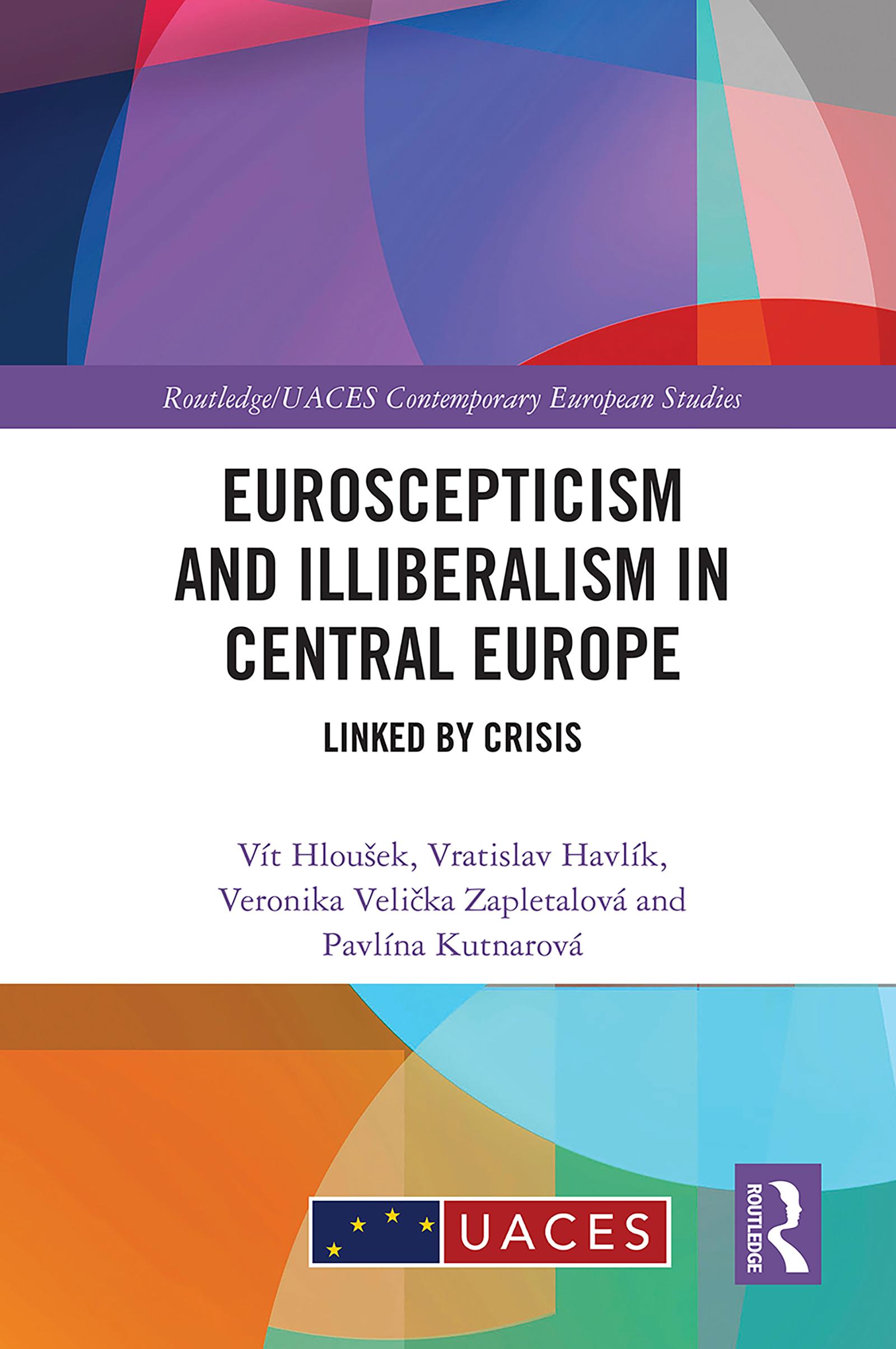
This book uses the V4 countries as an ideal political environment for testing shifts in Euroscepticism and illiberalism in the dynamic context of the “politicising moments” of multiple crises.
It analyses what kind of Euroscepticism prevailed in East-Central Europe during the COVID-19 and Ukrainian war crises and how it changed compared to its manifestation during the earlier Eurozone and migration crises. With this, it looks at how, and under what circumstances, Eurosceptic narratives were linked to illiberal ones. The authors reveal that Euroscepticism and illiberalism are more than pure coincidence and highlight the conceptual connections between them, showing how Euroscepticism and illiberalism cross-fertilise and reinforce each other.
This book is of key interest to scholars and students of Euroscepticism, Central-Eastern European, party politics, illiberalism, politics in the period of crises and more broadly to European and EU studies, comparative politics, and area studies.
Betaal eenvoudig met kaart, Klarna, Apple Pay of Google Pay. Niet tevreden? Je hebt altijd 14 dagen bedenktijd. Lees meer in onze voorwaarden. Heb je vragen, mail ons dan via hello@memmo.org.
Memmo maakt studeren makkelijker – waar je ook bent ter wereld. Wij brengen je cursusboeken en slimme studietools samen op één plek: samenvattingen, quizzen, podcasts en flashcards. En Ted, je studievriend die antwoord geeft op alles wat je je afvraagt. Meer dan 50.000 studenten studeren hier al – gebouwd om je sneller te laten leren en minder stress te geven.