
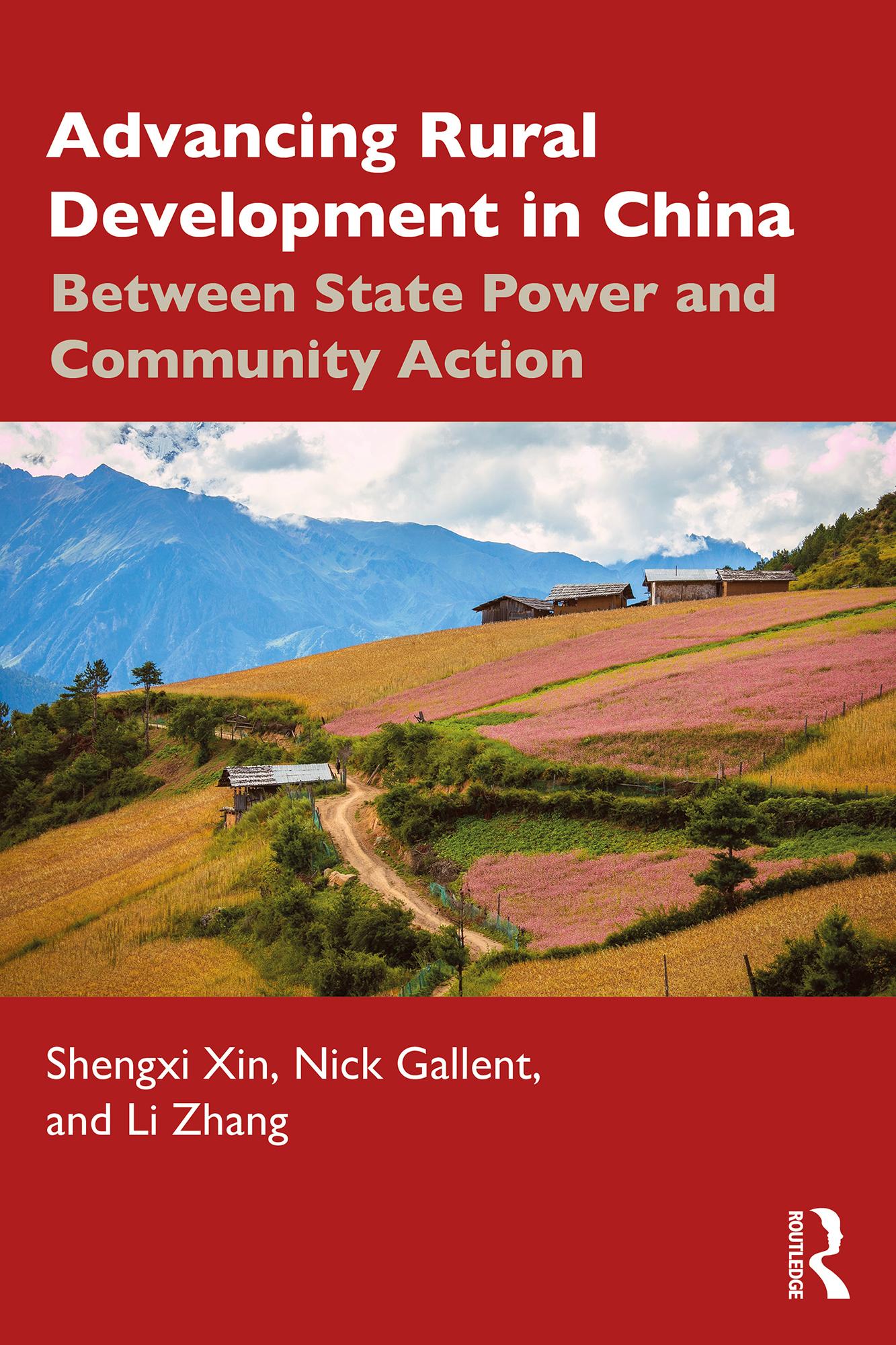
This book is about the practice of rural development in contemporary China. It evolves the concept of 'neo-exogenous development' to explain how the power of the state links to community action via local party structures, in pursuit of both state-building and rural revitalisation.
Through case studies, the book examines how central government investments are channelled through area-based programmes, which are then locally implemented by party-state and community actors. It illustrates significant continuity in China's rural development, from the imperial era, through the Maoist Collectivization Movement, and onwards to the Open Reform and current National Rural Revitalization Strategy. Advancing Rural Development in China re-evaluates the theory and practice of rural development, identifying important lessons for other nations.
The book presents a critical study of China's approach to rural development for students and researchers in the fields of human geography, rural sociology, planning, agricultural economics, public management, and international development.
Betaal eenvoudig met kaart, Klarna, Apple Pay of Google Pay. Niet tevreden? Je hebt altijd 14 dagen bedenktijd. Lees meer in onze voorwaarden. Heb je vragen, mail ons dan via hello@memmo.org.
Memmo maakt studeren makkelijker – waar je ook bent ter wereld. Wij brengen je cursusboeken en slimme studietools samen op één plek: samenvattingen, quizzen, podcasts en flashcards. En Ted, je studievriend die antwoord geeft op alles wat je je afvraagt. Meer dan 50.000 studenten studeren hier al – gebouwd om je sneller te laten leren en minder stress te geven.