
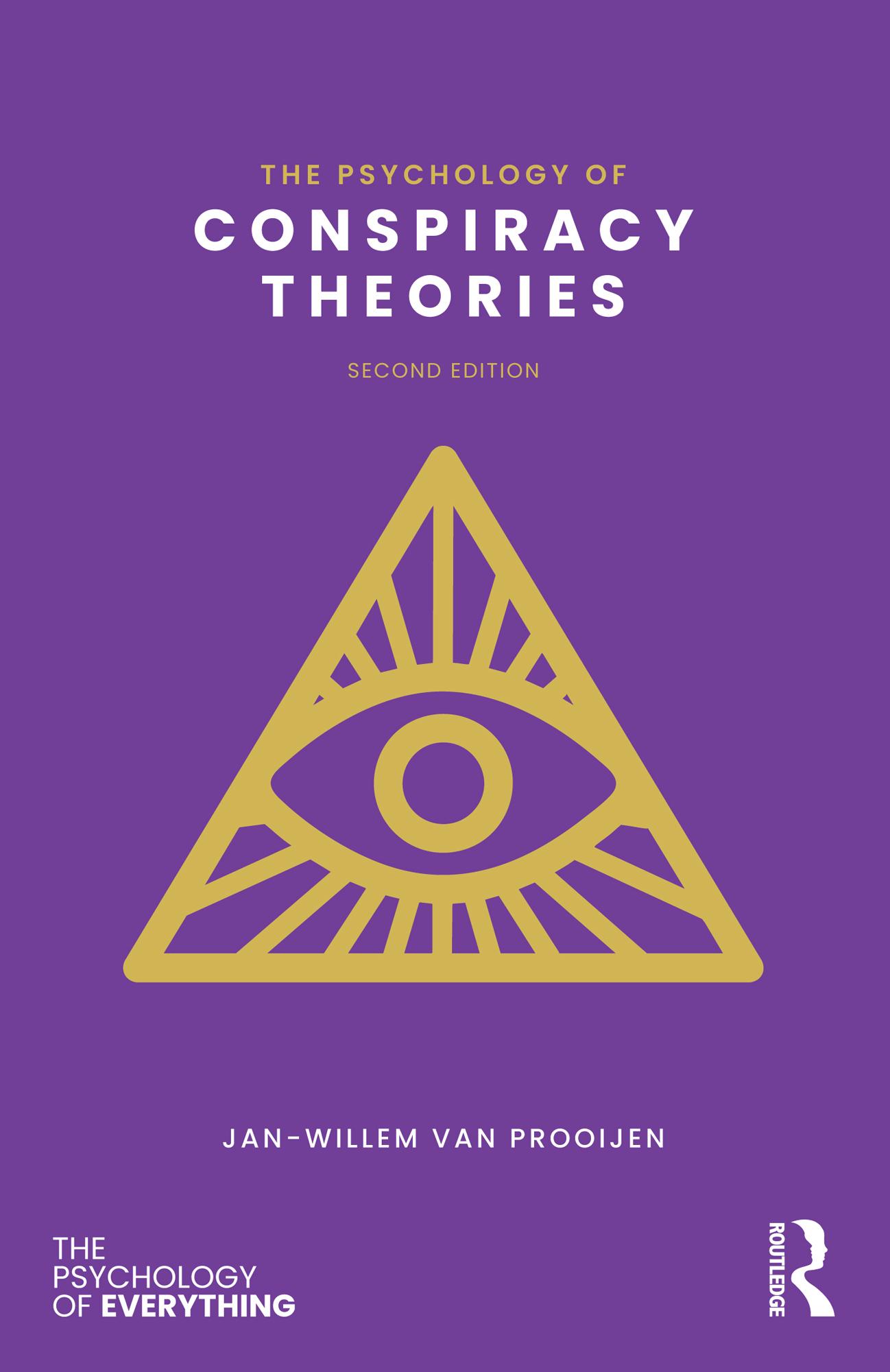
Who believes in conspiracy theories, and why are some people more susceptible to them than others? What are the consequences of such beliefs? Has a conspiracy theory ever turned out to be true? The Psychology of Conspiracy Theories debunks the myth that conspiracy theories are a modern phenomenon, exploring their broad social contexts, from politics to the workplace. The book explains why some people are more susceptible to these beliefs than others and how they are produced by recognizable and predictable psychological processes. Updated throughout and now featuring examples from the COVID-19 pandemic and the 2021 Capitol Hill riots, this new edition of The Psychology of Conspiracy Theories shows us that while such beliefs are not always irrational and are not a pathological trait, they can be harmful to individuals and society.
Betaal eenvoudig met kaart, Klarna, Apple Pay of Google Pay. Niet tevreden? Je hebt altijd 14 dagen bedenktijd. Lees meer in onze voorwaarden. Heb je vragen, mail ons dan via hello@memmo.org.
Memmo maakt studeren makkelijker – waar je ook bent ter wereld. Wij brengen je cursusboeken en slimme studietools samen op één plek: samenvattingen, quizzen, podcasts en flashcards. En Ted, je studievriend die antwoord geeft op alles wat je je afvraagt. Meer dan 50.000 studenten studeren hier al – gebouwd om je sneller te laten leren en minder stress te geven.