
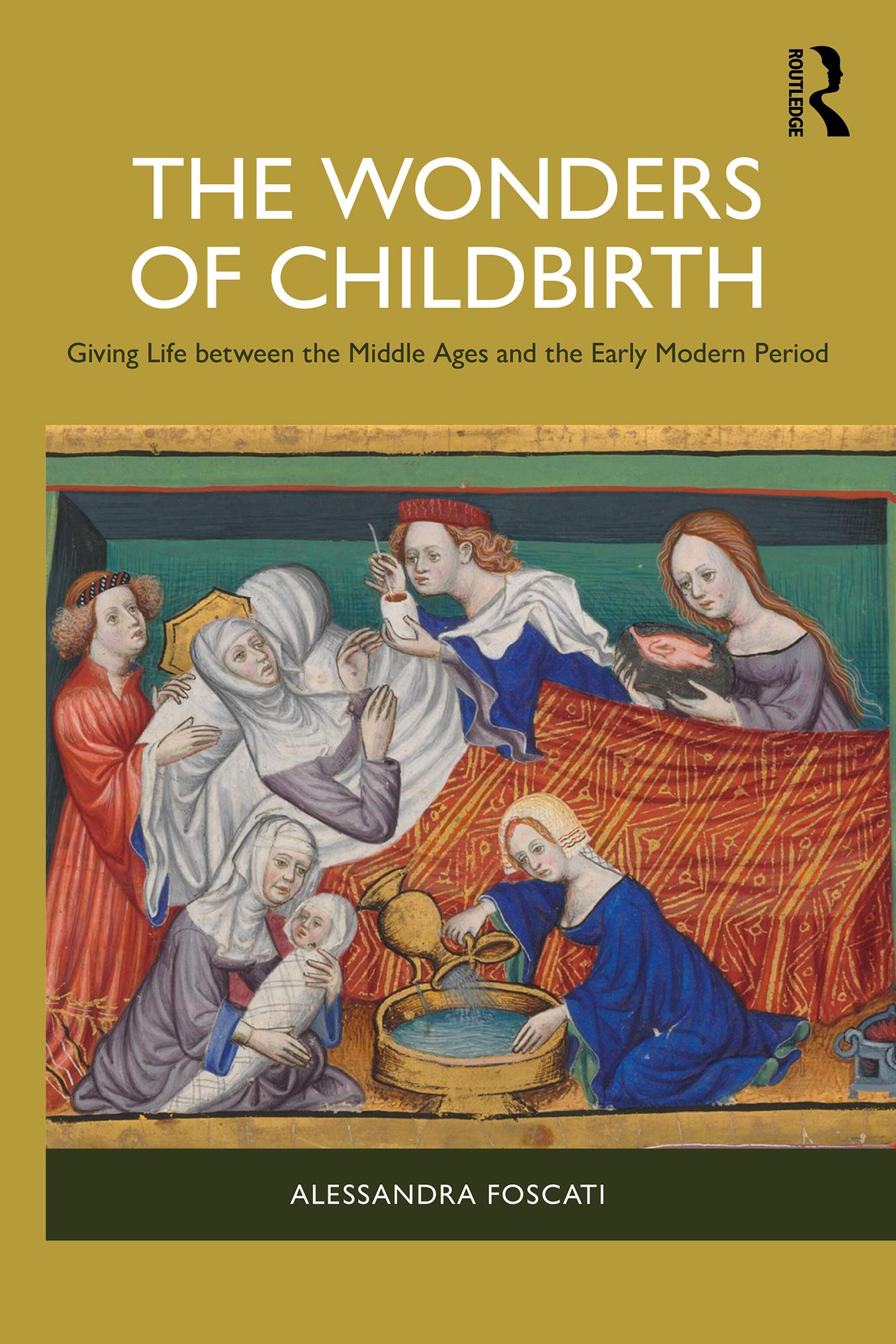
Childbirth has long been a subject that defies easy historical investigation – elusive, painful, enveloped in modesty and mystery, and resistant to disclosure. This book outlines how childbirth was described and represented in the West from the Middle Ages through the early modern period to the seventeenth century, before the medicalisation of obstetrical practice and the emergence of clinics.
Drawing on a wide and varied body of sources – including medical, legal, religious, and literary texts – the author reconstructs the practices associated with women in labour. As the focal point of collective attention, the parturient was surrounded by other women – midwives, relatives, and neighbours – reflecting the strong female solidarity fostered by childbirth, while also being attended by men such as her husband, a priest, and, in later periods, a surgeon. Adopting a broad diachronic perspective, the book highlights both elements of long-term continuity and the most significant changes in the early modern period.
The book is intended for a wide readership, while also serving the interests of scholars and students. Beyond those concerned with the history of childbirth, midwifery and women, it will be relevant to readers engaged in the history of medicine, cultural anthropology and cultural history.
Betaal eenvoudig met kaart, Klarna, Apple Pay of Google Pay. Niet tevreden? Je hebt altijd 14 dagen bedenktijd. Lees meer in onze voorwaarden. Heb je vragen, mail ons dan via hello@memmo.org.
Memmo maakt studeren makkelijker – waar je ook bent ter wereld. Wij brengen je cursusboeken en slimme studietools samen op één plek: samenvattingen, quizzen, podcasts en flashcards. En Ted, je studievriend die antwoord geeft op alles wat je je afvraagt. Meer dan 50.000 studenten studeren hier al – gebouwd om je sneller te laten leren en minder stress te geven.