
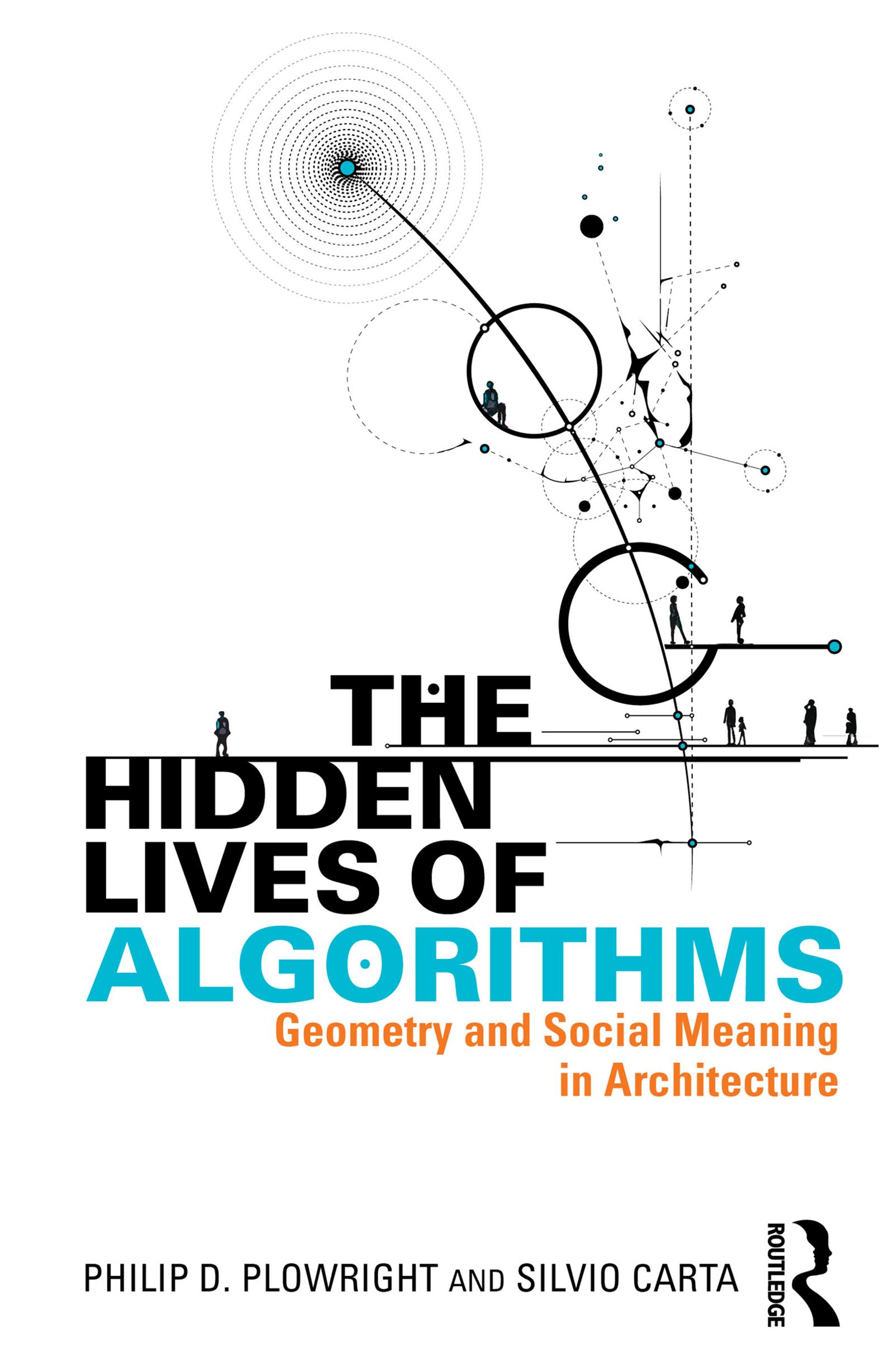
When we draw basic geometric forms — lines, circles, points — to describe the possible future shape of our buildings and our cities, do we consider what predetermined social interactions are embedded in those forms?
Though simple, this question is often overlooked. As generative and analytic algorithms increasingly automate the design of our built environment, the power of basic geometrical notation to affect social meanings becomes both more powerful and more elusive. This book examines how the geometric outcomes of spatialised algorithmic operations influence more complex human experiences of accessibility, belonging, and identity as well as shape the dynamics of equity, connectivity, privacy, and power in architectural and urban spaces.
The Hidden Lives of Algorithms draws insights from architecture, urban studies, computer science, design theory, cognitive science, human geography, environmental psychology, and social theory to investigate the intersection of geometry, computation, and social meaning. Grounded in embodied cognition, the book connects fundamental thinking structures to our spatial experience and examines how algorithms operationalise these ideas in real-world design. This book challenges designers to look beyond technical implementation, urging a critical awareness of how computational processes can reinforce or reimagine the social fabric of our shared spaces.
Betaal eenvoudig met kaart, Klarna, Apple Pay of Google Pay. Niet tevreden? Je hebt altijd 14 dagen bedenktijd. Lees meer in onze voorwaarden. Heb je vragen, mail ons dan via hello@memmo.org.
Memmo maakt studeren makkelijker – waar je ook bent ter wereld. Wij brengen je cursusboeken en slimme studietools samen op één plek: samenvattingen, quizzen, podcasts en flashcards. En Ted, je studievriend die antwoord geeft op alles wat je je afvraagt. Meer dan 50.000 studenten studeren hier al – gebouwd om je sneller te laten leren en minder stress te geven.