
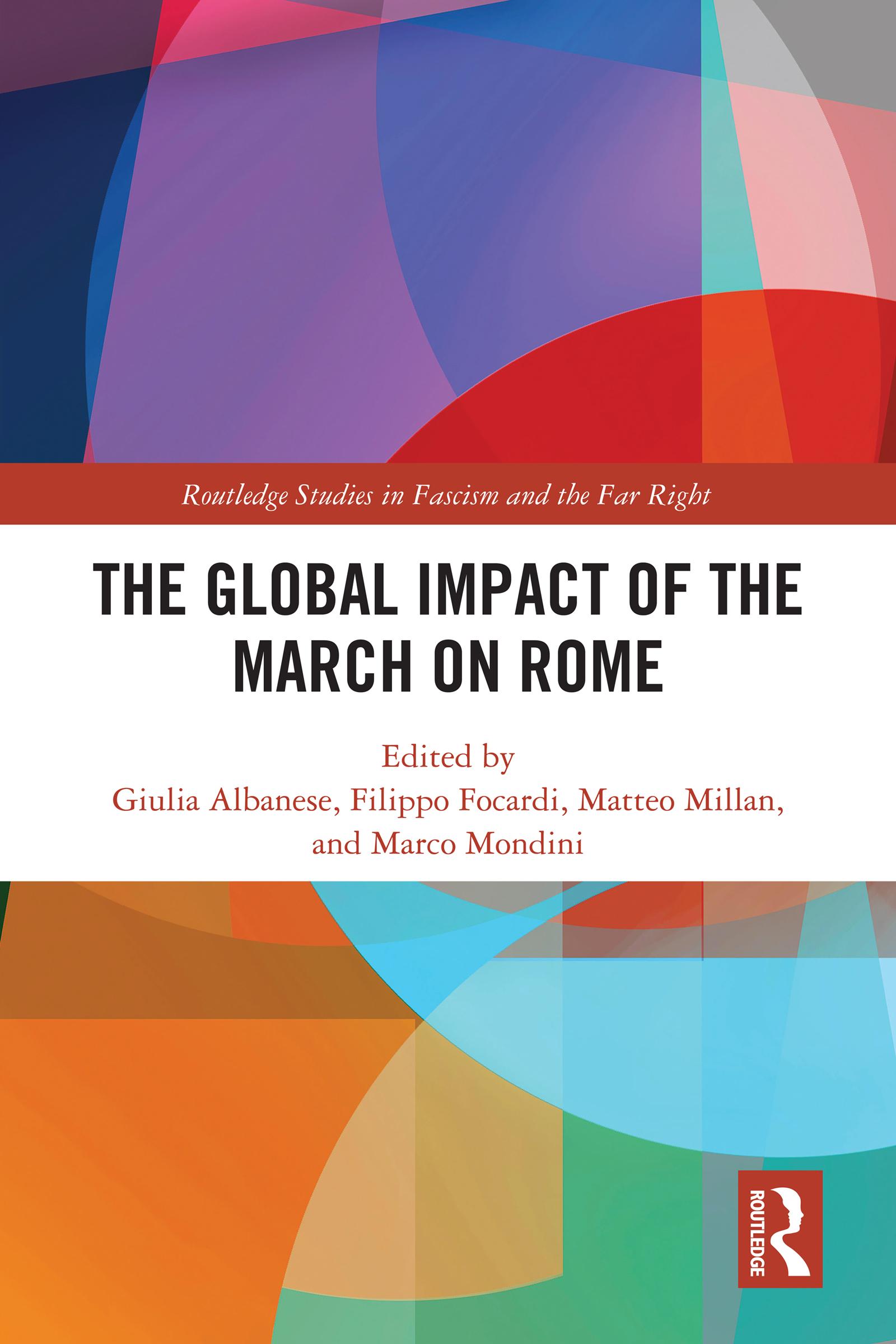
This comprehensive collection of chapters provides a nuanced and multifaceted analysis of the global impact of the March on Rome, offering valuable insights into the spread and adaptation of Fascist ideologies in different cultural and political contexts beyond Italy in the 1920s and 1930s.
The chapters seek to contextualise the transformation of political cultures in 1920s Europe and provide a better understanding of the reasons for Fascism's success in the interwar world. By exploring these diverse perspectives and experiences, the book sheds light on the complex processes of ideological transfer, adaptation, and resistance that characterised the global reception of Fascism in the wake of the March on Rome. It underscores the importance of considering local contexts, transnational networks, and individual actors in tracing the trajectory of Fascist influence across Western and Eastern Europe, Latin America and the United States.
This book will appeal to an academic and scholarly audience at many levels, particularly in undergraduate and postgraduate courses on Italian and European history. Its accessible engagement of the broader issue of fascism and its transnational spread will also be of interest to a general readership interested in the history of Europe during the interwar period.
Betaal eenvoudig met kaart, Klarna, Apple Pay of Google Pay. Niet tevreden? Je hebt altijd 14 dagen bedenktijd. Lees meer in onze voorwaarden. Heb je vragen, mail ons dan via hello@memmo.org.
Memmo maakt studeren makkelijker – waar je ook bent ter wereld. Wij brengen je cursusboeken en slimme studietools samen op één plek: samenvattingen, quizzen, podcasts en flashcards. En Ted, je studievriend die antwoord geeft op alles wat je je afvraagt. Meer dan 50.000 studenten studeren hier al – gebouwd om je sneller te laten leren en minder stress te geven.