
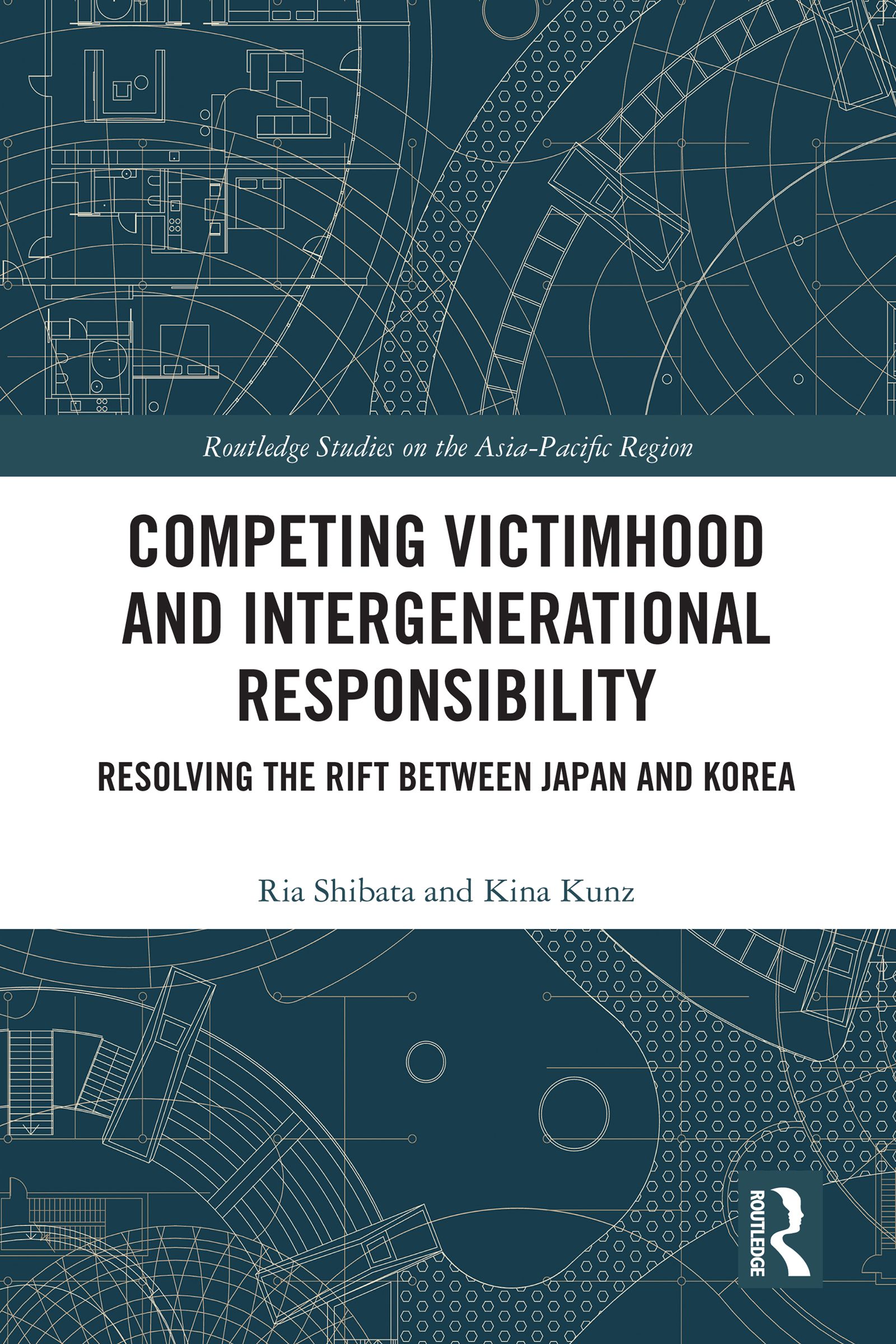
Shibata and Kunz delve into the deep-seated identity factors that have perpetuated the conflict between Japan and South Korea. The enduring diplomatic and political tensions between the two nations are rooted in unresolved historical grievances and entrenched narratives of victimhood, which continue to shape their national identities. For meaningful reconciliation to take place, these divisive historical memories and narratives must be critically examined to build a stronger foundation for sustained diplomatic efforts.
This book investigates the socio-psychological dynamics of competing victimhood, shedding light on the key barriers to reconciliation and exploring Japanese perspectives on intergenerational responsibility for historical injustices. Through a nuanced analysis of the complex identity conflict between Japan and South Korea, it provides valuable insights and practical guidance for policymakers, civil society leaders, and the broader public to foster dialogue, rebuild trust, and promote long-term cooperation between the two nations.
An essential book for researchers and scholars of international relations, peace and conflict studies, and global studies, as well as a critical tool for policymakers and practitioners working in conflict resolution and reconciliation.
Betaal eenvoudig met kaart, Klarna, Apple Pay of Google Pay. Niet tevreden? Je hebt altijd 14 dagen bedenktijd. Lees meer in onze voorwaarden. Heb je vragen, mail ons dan via hello@memmo.org.
Memmo maakt studeren makkelijker – waar je ook bent ter wereld. Wij brengen je cursusboeken en slimme studietools samen op één plek: samenvattingen, quizzen, podcasts en flashcards. En Ted, je studievriend die antwoord geeft op alles wat je je afvraagt. Meer dan 50.000 studenten studeren hier al – gebouwd om je sneller te laten leren en minder stress te geven.