
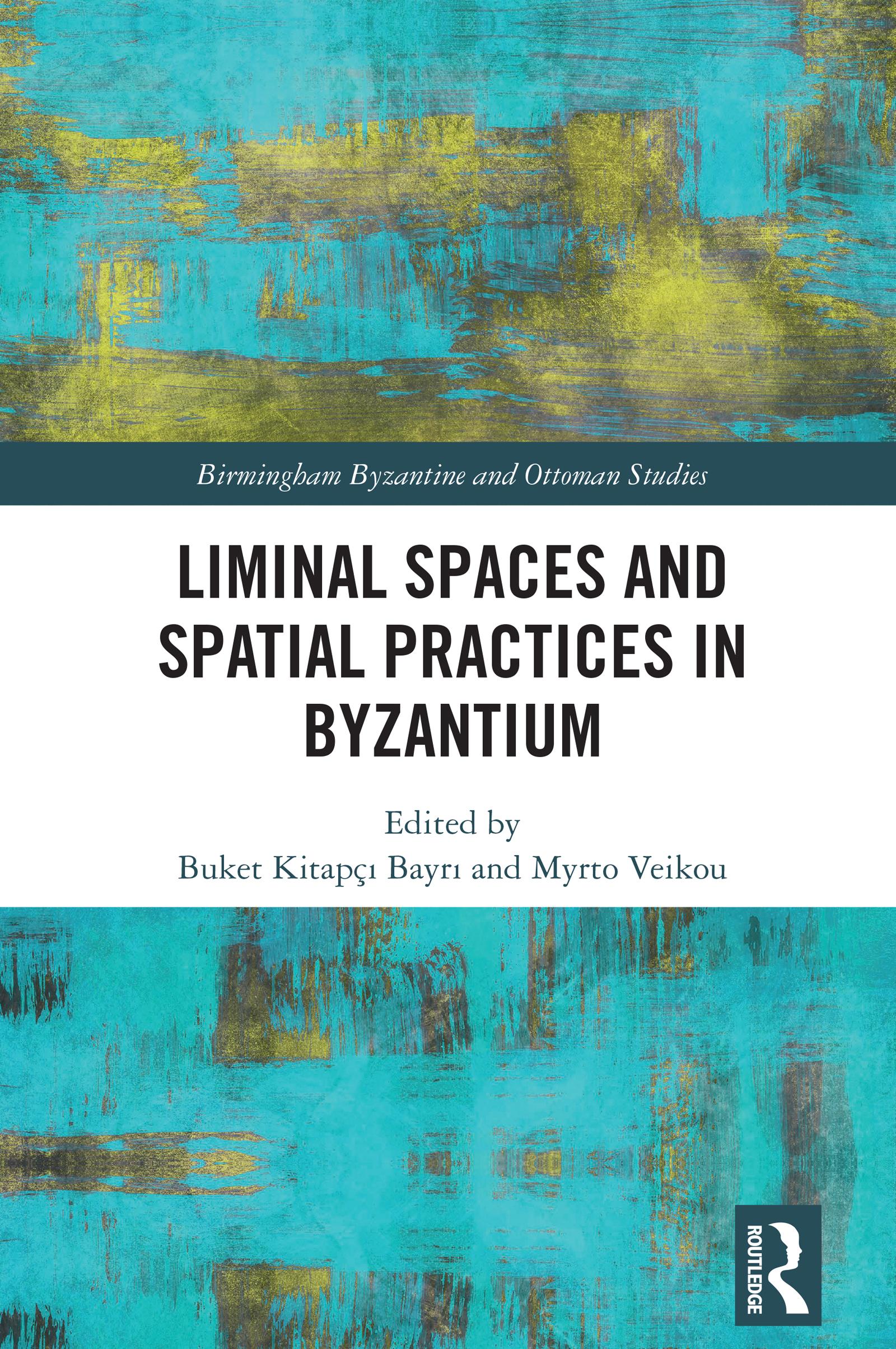
Liminal Spaces and Spatial Practices in Byzantium offers a novel twist, combining intra-/inter-disciplinary research across the humanities and social sciences by transforming two distinct disciplinary concepts (liminality from social anthropology and space from cultural geography) into methodological devices for historical investigation. The focus has been an investigation of conceptions of spatial liminality in the Byzantine world.
This book showcases alternatives to binary oppositions such as inside/outside, core/periphery, isolation/connectedness, stability/instability, known/unknown, earthly/heavenly, self/other, and good/bad through delineating liminality as an epistemological tool. In this volume, the authors were invited to offer an analysis of Byzantine spatial experiences (attested through material remains or texts) as a sort of working platform from which to assess in due course the presence of a liminal dimension in medieval spatiotemporal situations. They have sought to understand whether certain types of spaces such as rivers, deserts, islands, forests, mountains, houses, thresholds, gates, monasteries, lighthouses, and bridges accommodate–or even create–liminal situations in the eyes of the people experiencing them.
This book will appeal to students and scholars alike interested in Byzantine history and culture.
Betaal eenvoudig met kaart, Klarna, Apple Pay of Google Pay. Niet tevreden? Je hebt altijd 14 dagen bedenktijd. Lees meer in onze voorwaarden. Heb je vragen, mail ons dan via hello@memmo.org.
Memmo maakt studeren makkelijker – waar je ook bent ter wereld. Wij brengen je cursusboeken en slimme studietools samen op één plek: samenvattingen, quizzen, podcasts en flashcards. En Ted, je studievriend die antwoord geeft op alles wat je je afvraagt. Meer dan 50.000 studenten studeren hier al – gebouwd om je sneller te laten leren en minder stress te geven.