
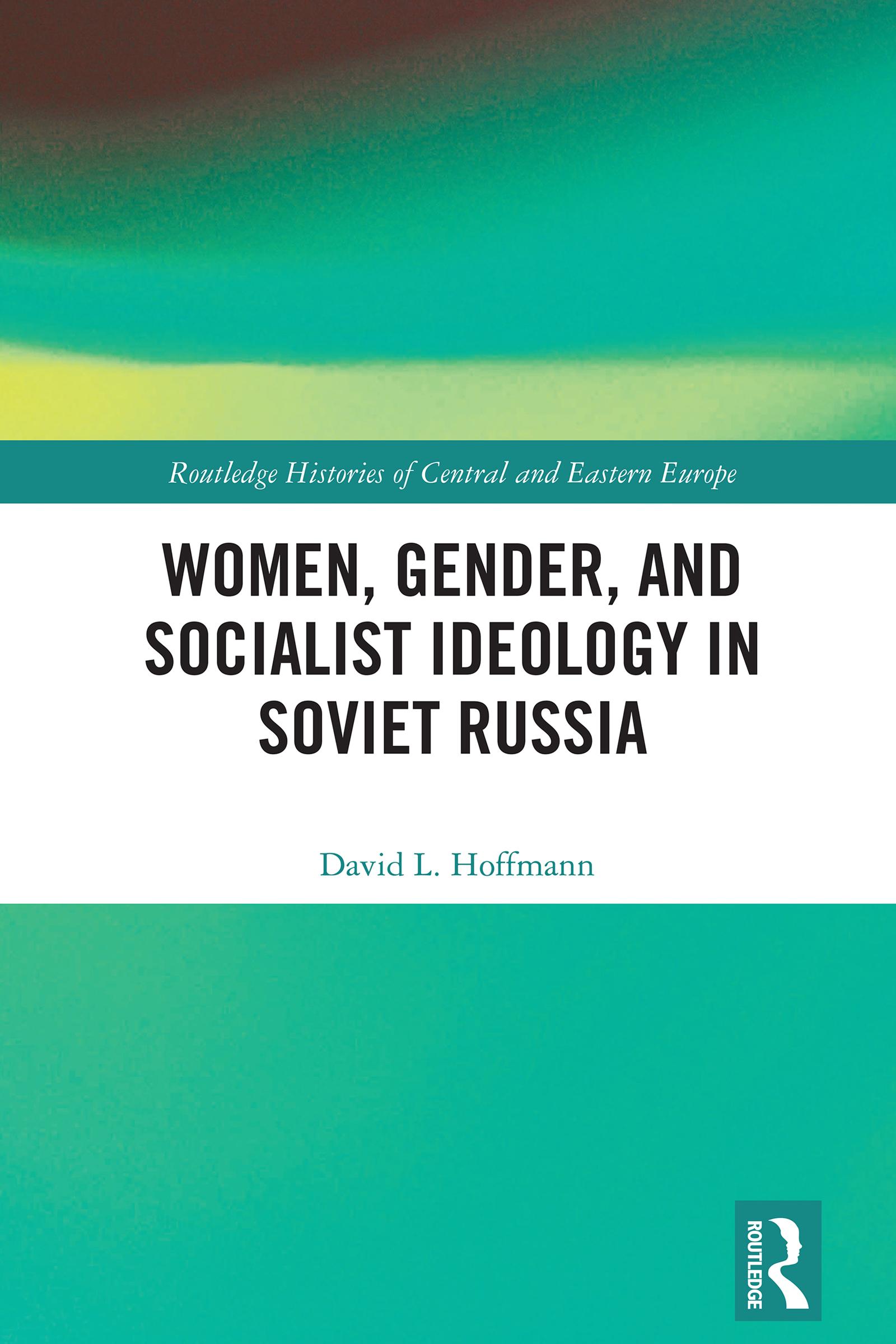
This book examines the place of women in Soviet Russia from the 1917 Revolution through the post-World War II period, discussing how the Soviet construction of gender perpetuated inequality even as it dramatically expanded women’s roles in society.
Chapters of this book explore Bolshevik activists’ ideals of women’s liberation and their failure to realize these ideals; the significance of women’s labor to the Soviet economy, alongside continued workplace discrimination; state reproductive policies and essentialist understandings of femininity; women’s World War II military service and representations of gender in postwar commemorations; and the role of socialist ideology in the formation of the Soviet system and Stalinist culture. Throughout, Hoffmann places Soviet history in its international context, including comparisons of Soviet women’s social positions with those of their counterparts in other countries. The book makes clear the centrality of the Soviet gender order to the country’s social, cultural, and political history, as well as providing an important historical case for understanding the broader struggle for women’s equality.
Intended for students and scholars alike, this book is a valuable resource for all those interested in gender history, Soviet history, labor history, and World War II.
Betaal eenvoudig met kaart, Klarna, Apple Pay of Google Pay. Niet tevreden? Je hebt altijd 14 dagen bedenktijd. Lees meer in onze voorwaarden. Heb je vragen, mail ons dan via hello@memmo.org.
Memmo maakt studeren makkelijker – waar je ook bent ter wereld. Wij brengen je cursusboeken en slimme studietools samen op één plek: samenvattingen, quizzen, podcasts en flashcards. En Ted, je studievriend die antwoord geeft op alles wat je je afvraagt. Meer dan 50.000 studenten studeren hier al – gebouwd om je sneller te laten leren en minder stress te geven.