
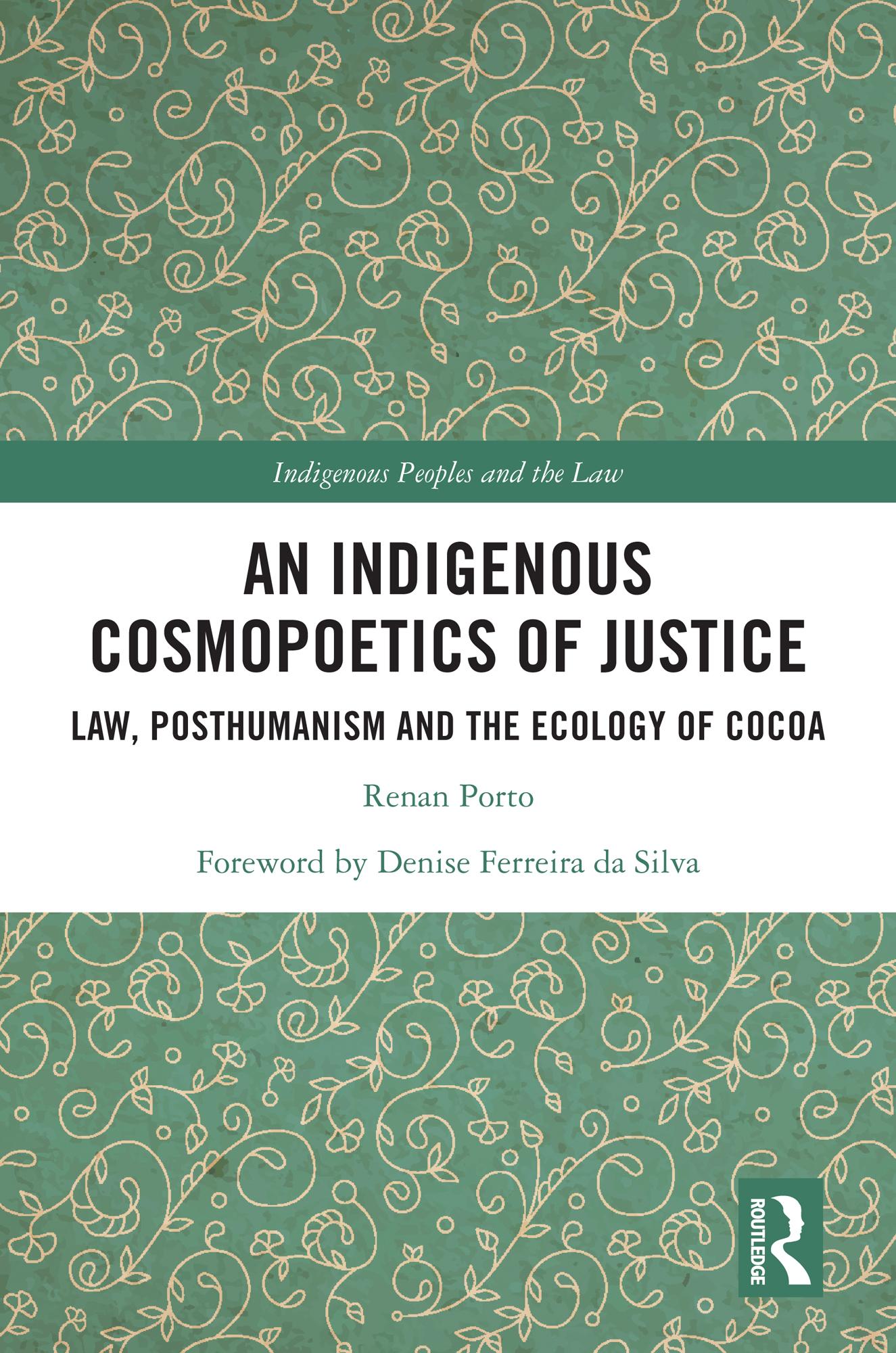
This book examines cocoa farming in northeast Brazil to explore a fundamental question: can ecological relationships create their own form of law?
Through the study of indigenous people and landless workers who use sustainable farming practices to restore damaged lands, the book analyses how humans and nature together create social and ecological systems that function as a kind of "viscous law,” with flexible rules emerging from relationships with the land and its diverse lifeforms. Unlike rigid modern legal systems, this "viscous law" adapts to the realities of cocoa ecology and how it connects people, plants, and animals within global environmental systems. It addresses the practical needs of land rights struggles while recognising relationships that Western legal systems often ignore.
An Indigenous Cosmopoetics of Justice is of interest to legal theorists, as well as those with interests in the areas of indigenous studies, postcolonial studies and ecology.
Betaal eenvoudig met kaart, Klarna, Apple Pay of Google Pay. Niet tevreden? Je hebt altijd 14 dagen bedenktijd. Lees meer in onze voorwaarden. Heb je vragen, mail ons dan via hello@memmo.org.
Memmo maakt studeren makkelijker – waar je ook bent ter wereld. Wij brengen je cursusboeken en slimme studietools samen op één plek: samenvattingen, quizzen, podcasts en flashcards. En Ted, je studievriend die antwoord geeft op alles wat je je afvraagt. Meer dan 50.000 studenten studeren hier al – gebouwd om je sneller te laten leren en minder stress te geven.