
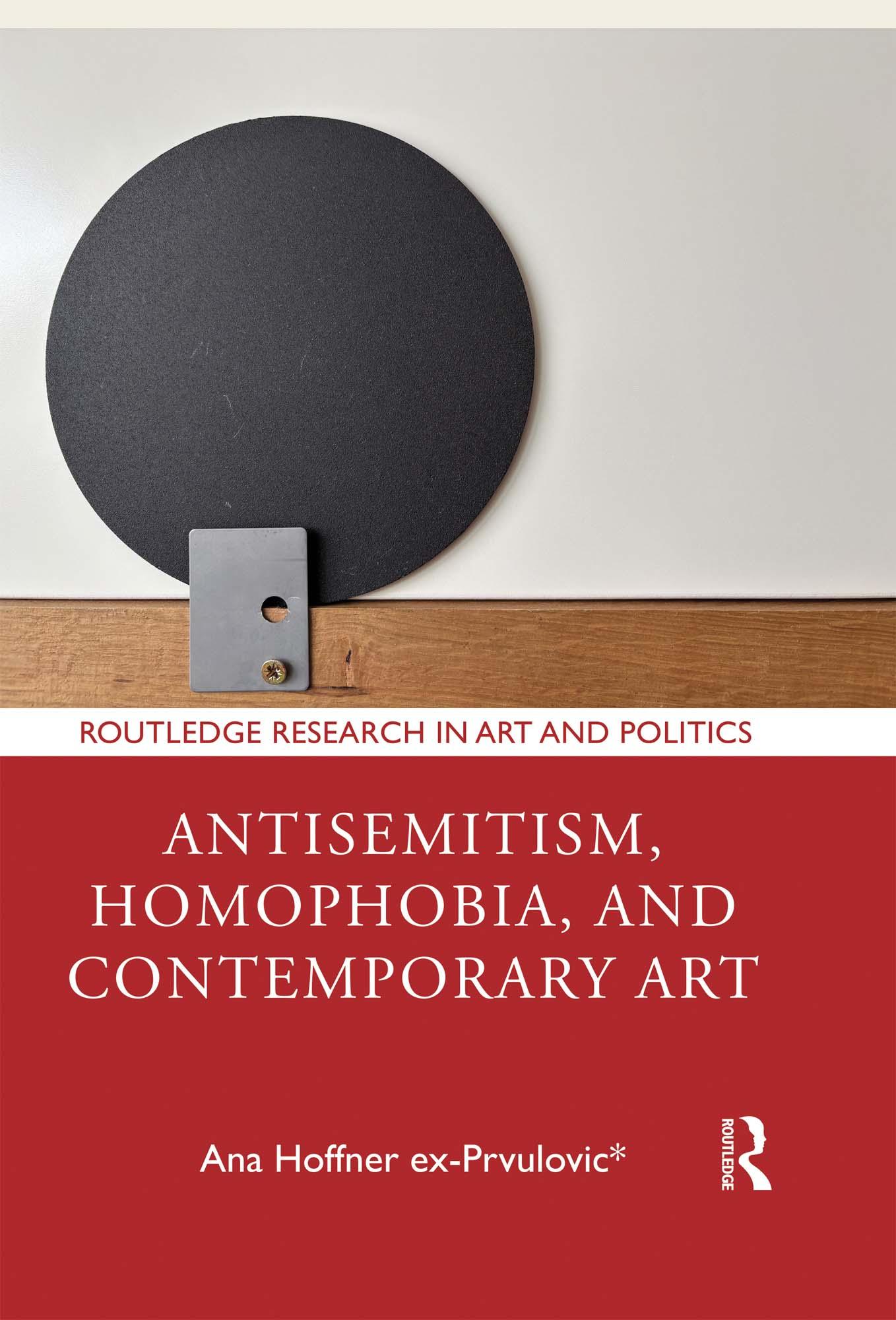
This book analyzes synchronization as a symptom of the contemporary art world.
Acting as a tool within present-day social, economic, and political systems, synchronization assigns individuals to predetermined forms of representation. At its core, this book challenges normative synchronization concepts as projections of a unity of bodies and voices, past and present, self and environment. The text offers a non-linear art historical narrative of those practices that have consistently tried to "desynchronize" from antisemitism and homophobia. Through thoughtful analysis of art practices from Claude Cahun and Marcel Moore, Zanele Muholi, Anna Daučíková, Sharon Hayes, Glenn Ligon, and Chantal Akerman, the author seeks to address the current wish to create contemporaneity for all—often through violence against those perceived as not belonging to it.
This book is ideal for researchers and scholars in Art History, Philosophy, Queer Theory, Gender Studies, and Sociology.
Betaal eenvoudig met kaart, Klarna, Apple Pay of Google Pay. Niet tevreden? Je hebt altijd 14 dagen bedenktijd. Lees meer in onze voorwaarden. Heb je vragen, mail ons dan via hello@memmo.org.
Memmo maakt studeren makkelijker – waar je ook bent ter wereld. Wij brengen je cursusboeken en slimme studietools samen op één plek: samenvattingen, quizzen, podcasts en flashcards. En Ted, je studievriend die antwoord geeft op alles wat je je afvraagt. Meer dan 50.000 studenten studeren hier al – gebouwd om je sneller te laten leren en minder stress te geven.