
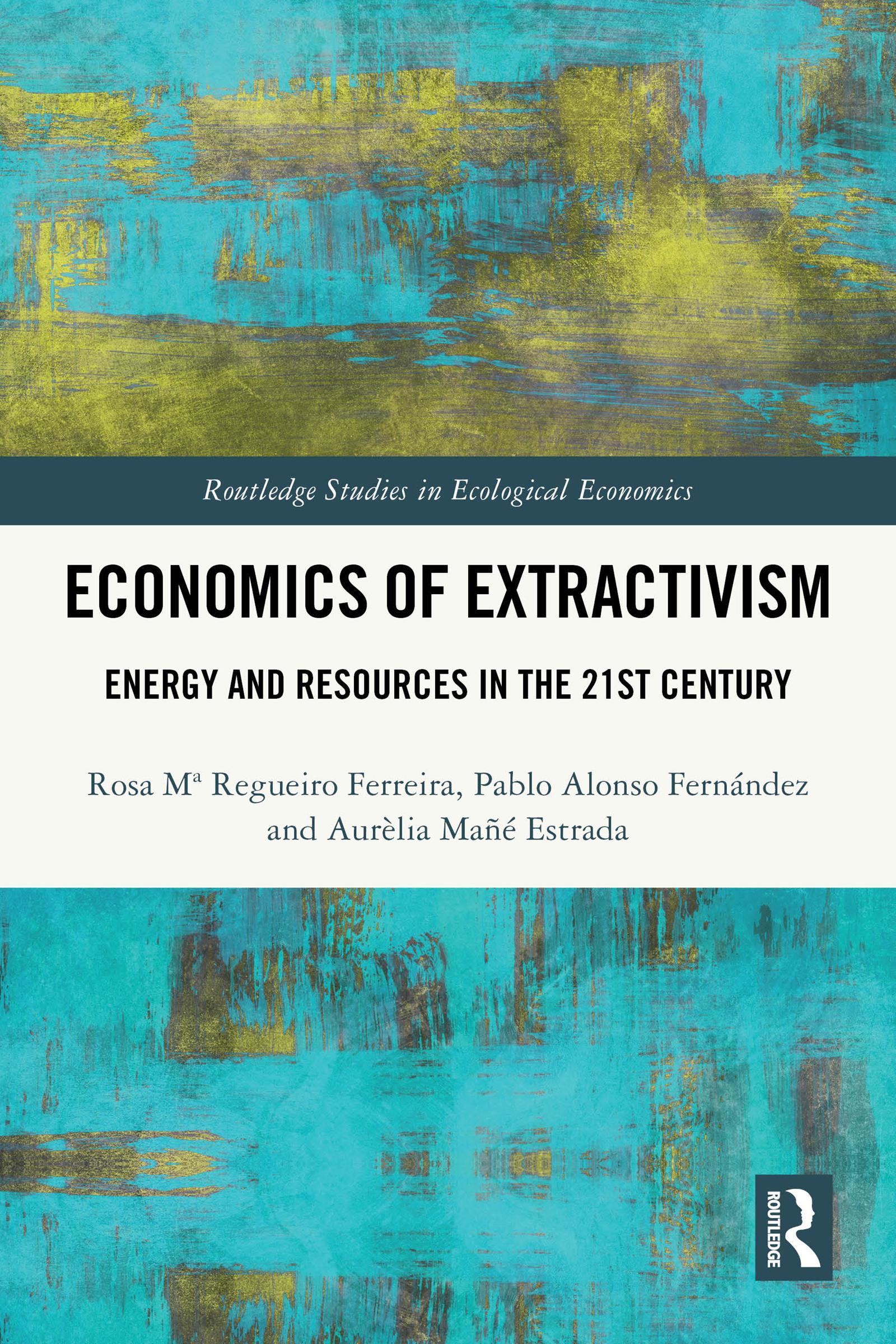
Extractivism is an economic model based on the extraction of natural resources for export that is widespread in resource-rich countries. Historically, extractivism was typically used in reference to fossil fuels but in recent decades the drive to find new energy sources has given rise to new dynamics in extractivism. This book identifies and describes these new dynamics and trends in extractivism and explores their effects on the economic development and environmental impact of different countries, to show the potential benefits and limits of renewable energies.
To this end, an introduction and contextualisation of the concept of extractivism in recent decades is provided. This is followed by a detailed description of the various impacts around extractivism of different energy sources throughout the 21st century: fossil fuels, renewables and other sources. Subsequently, the implications of extractivism for economic development, the environment, the energy transition, and the problems and conflicts arising from the relations between extractivist countries and consumers in the field of energy are examined in depth.
This book will be of interest to readers in ecological economics, environmental economics, energy economics, political ecology, and anyone working on energy issues in the social and natural sciences.
Betaal eenvoudig met kaart, Klarna, Apple Pay of Google Pay. Niet tevreden? Je hebt altijd 14 dagen bedenktijd. Lees meer in onze voorwaarden. Heb je vragen, mail ons dan via hello@memmo.org.
Memmo maakt studeren makkelijker – waar je ook bent ter wereld. Wij brengen je cursusboeken en slimme studietools samen op één plek: samenvattingen, quizzen, podcasts en flashcards. En Ted, je studievriend die antwoord geeft op alles wat je je afvraagt. Meer dan 50.000 studenten studeren hier al – gebouwd om je sneller te laten leren en minder stress te geven.