
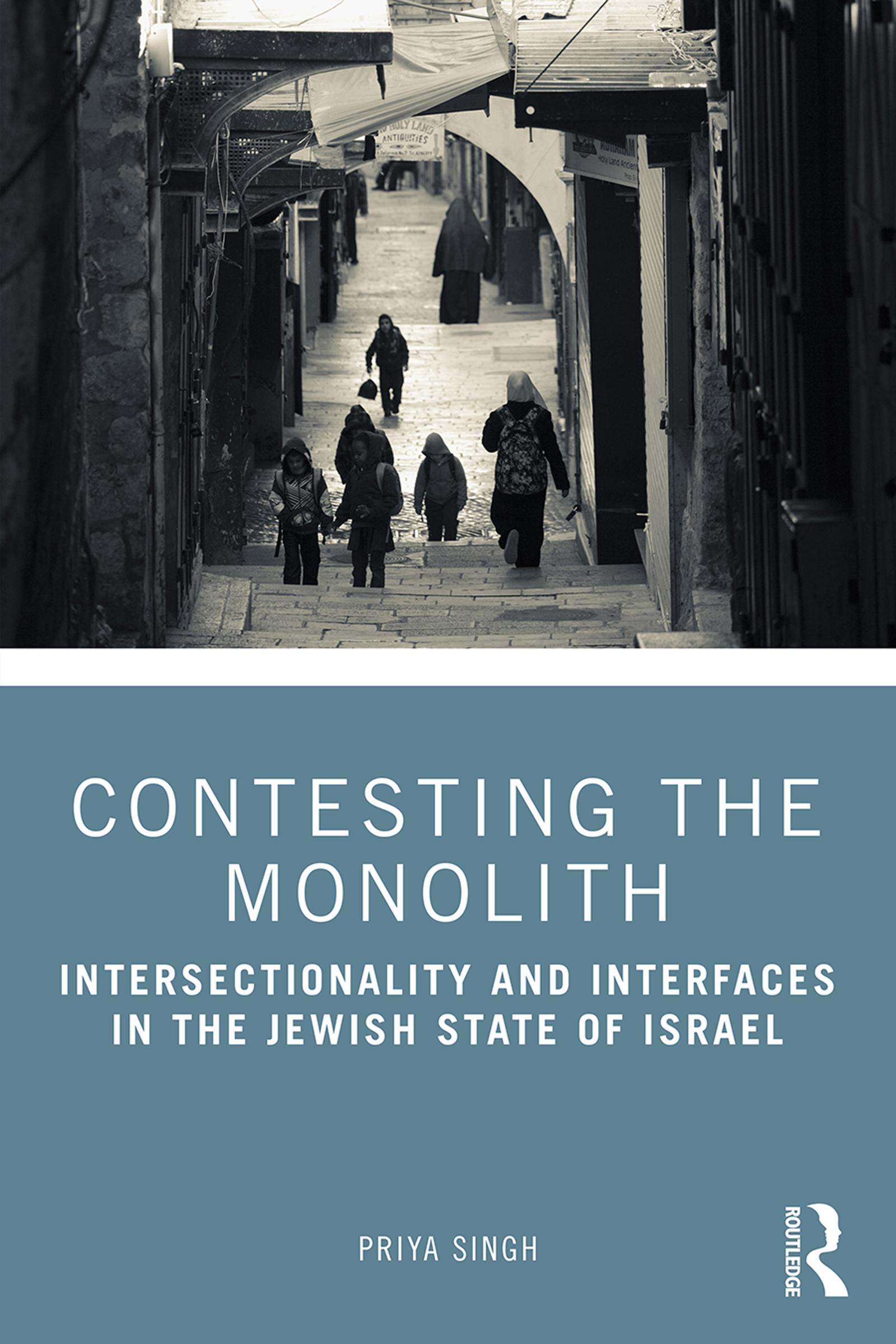
The book challenges the notion that Israel is a homogeneous state, whether in theory or in practice. It offers a detailed and critical intersectional analysis of nationalism, ethnicity, gender and marginality in Israeli society, revealing how these forces converge to produce multiple as well as fused identities within a complex social fabric. Examining the ruptures and fault lines that shape a multi-layered society, the study contends that Israel’s exceptionality lies not in its self-proclaimed “Jewish and democratic” character, but in its resort to exceptional legal and coercive measures to mask internal diversity. By obscuring this heterogeneous reality, the state cultivates an illusion of a monolithic and uniform Israeli identity. The analysis presents a society far more fragmented and stratified than official narratives suggest, offering readers an understanding of how intersecting structures of identity and power operate in the Israeli context, and how social and political institutions respond to and regulate internal difference. This book will be of interest to academic researchers, postgraduate and doctoral students and policymakers engaged with questions of nationalism, marginality, identity and Middle Eastern politics, particularly within the disciplines of political science, sociology, Middle Eastern studies and gender studies.
Betaal eenvoudig met kaart, Klarna, Apple Pay of Google Pay. Niet tevreden? Je hebt altijd 14 dagen bedenktijd. Lees meer in onze voorwaarden. Heb je vragen, mail ons dan via hello@memmo.org.
Memmo maakt studeren makkelijker – waar je ook bent ter wereld. Wij brengen je cursusboeken en slimme studietools samen op één plek: samenvattingen, quizzen, podcasts en flashcards. En Ted, je studievriend die antwoord geeft op alles wat je je afvraagt. Meer dan 50.000 studenten studeren hier al – gebouwd om je sneller te laten leren en minder stress te geven.