
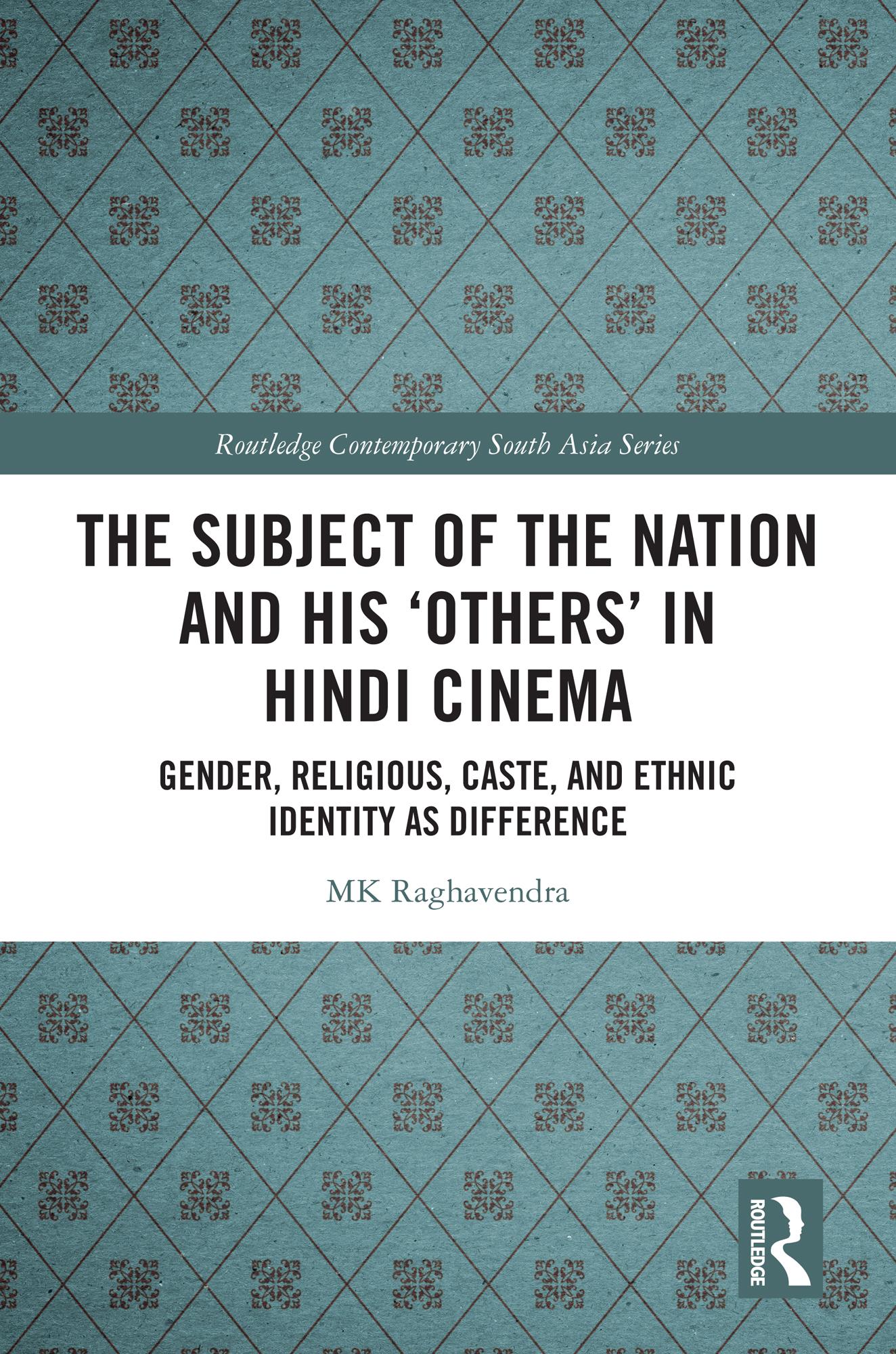
This book analyzes the representations of the subjects of Hindi cinema as a way of gaining insights into the hegemony of the upper-caste Hindu male in narratives of nationhood.
Given that Hindi cinema has narrativized the nation after 1947, the book examines how these subjects were chosen and argues that they were upper-caste, Hindu and predominantly male. The author's analysis shows asymmetries in the constitution of the ‘imagined nation’ in the public consciousness. Women, the marginalized categories, and minorities were presented as ‘others’ with separate stories for the issues dealing with them—but distinct from that of the nation. Stories centered on women primarily highlight their position within society. In this context, the book argues that it is the male protagonist whose story mirrors that of the nation as allegory.
A novel contribution to the field of Bollywood Studies, this insightful work will be of interest to those studying Hindi cinema and film studies, political science and history, as well as gender studies.
Betaal eenvoudig met kaart, Klarna, Apple Pay of Google Pay. Niet tevreden? Je hebt altijd 14 dagen bedenktijd. Lees meer in onze voorwaarden. Heb je vragen, mail ons dan via hello@memmo.org.
Memmo maakt studeren makkelijker – waar je ook bent ter wereld. Wij brengen je cursusboeken en slimme studietools samen op één plek: samenvattingen, quizzen, podcasts en flashcards. En Ted, je studievriend die antwoord geeft op alles wat je je afvraagt. Meer dan 50.000 studenten studeren hier al – gebouwd om je sneller te laten leren en minder stress te geven.