
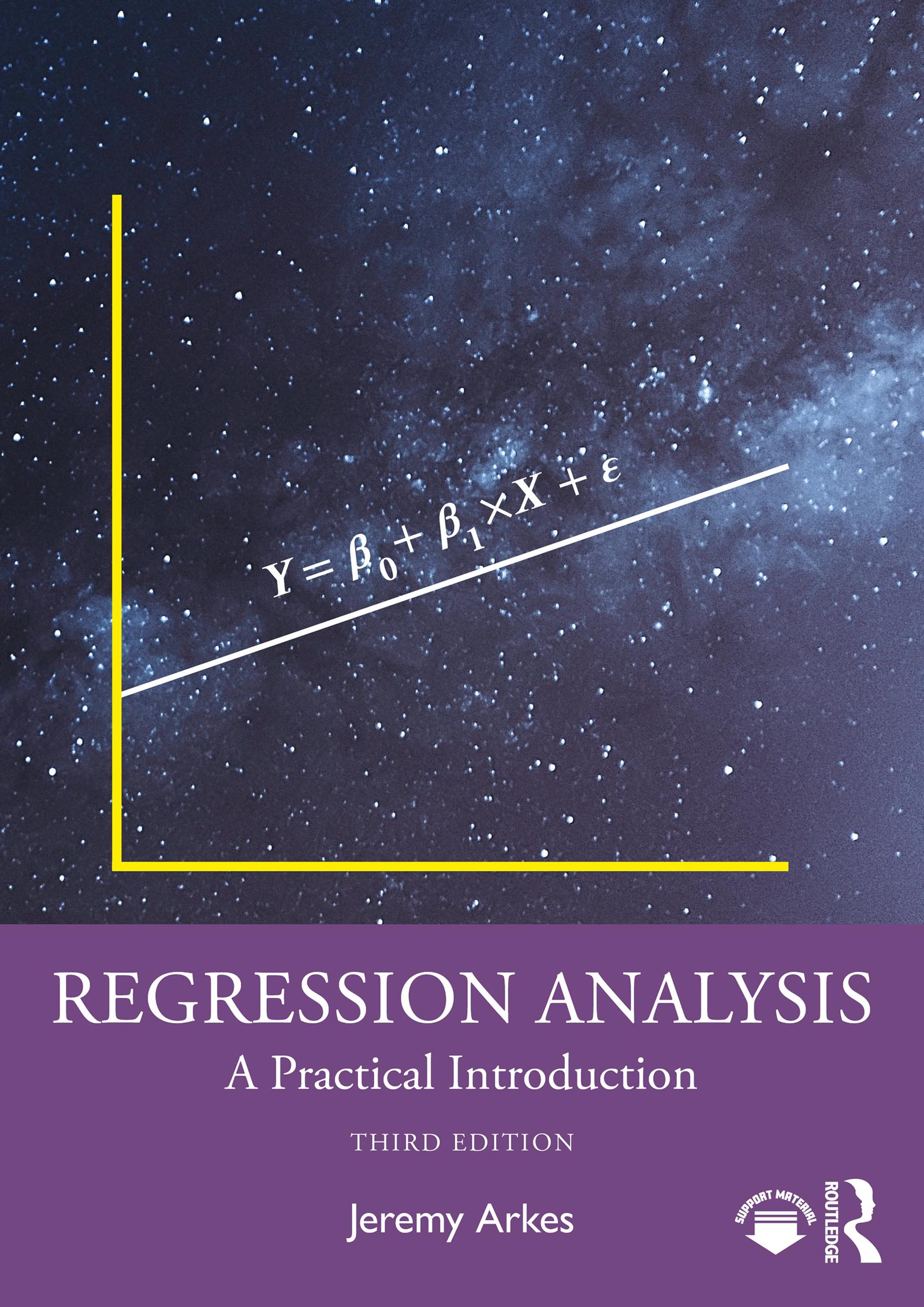
This thoroughly practical and engaging textbook conveys the skills needed to responsibly develop, conduct, scrutinize, and interpret statistical analyses, without requiring any high-level math.
Regression Analysis details the most common sources of statistical biases, including some not covered in other textbooks. Rather than focusing on complicated equations, the book describes these biases visually and with examples of situations in which they could arise. As the author argues, just learning how to conduct regressions without learning how to properly assess and interpret regressions can do more harm than good. Other unique features include an innovative approach to describing the elusive concept of "holding other factors constant" and proper interpretations of the strength of evidence in light of the Bayesian critique of hypothesis testing. This third edition enhances the emphasis on ethical and responsible research practices and creates more examples demonstrating how the biases and their corrections could affect the regression results.
This is the textbook the author wishes he had learned from, as it would have helped him avoid many research mistakes he made in his career at research organizations and in academia. It is ideal for undergraduate and postgraduate students learning quantitative methods in the social sciences, business, medicine, and data analytics. It will also appeal to researchers and academics looking to better understand regressions.
Betaal eenvoudig met kaart, Klarna, Apple Pay of Google Pay. Niet tevreden? Je hebt altijd 14 dagen bedenktijd. Lees meer in onze voorwaarden. Heb je vragen, mail ons dan via hello@memmo.org.
Memmo maakt studeren makkelijker – waar je ook bent ter wereld. Wij brengen je cursusboeken en slimme studietools samen op één plek: samenvattingen, quizzen, podcasts en flashcards. En Ted, je studievriend die antwoord geeft op alles wat je je afvraagt. Meer dan 50.000 studenten studeren hier al – gebouwd om je sneller te laten leren en minder stress te geven.