
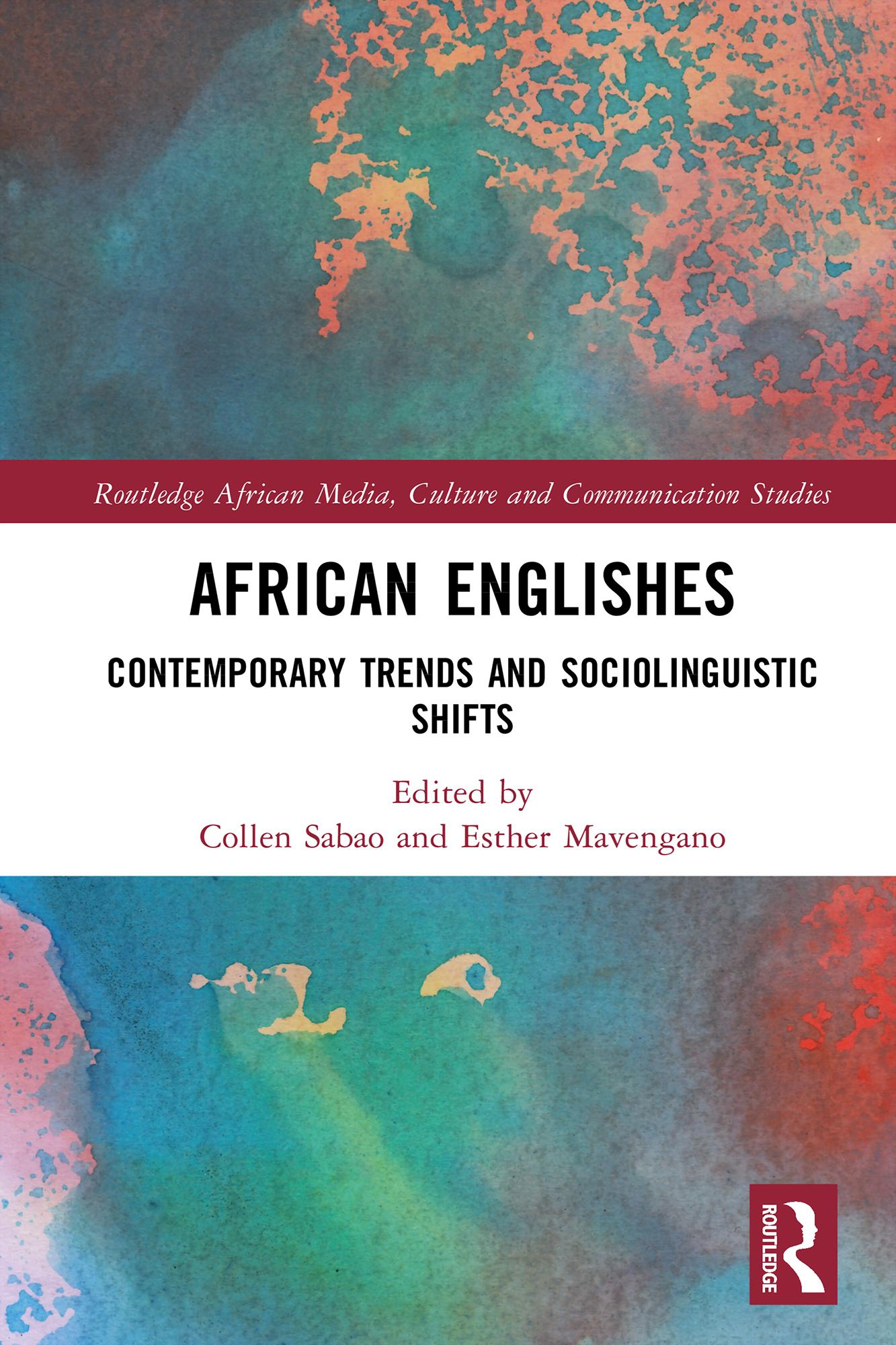
This book investigates the functions and linguistic forms of African Englishes, and what this means for languages indigenous to Africa.
It examines the historical imposition of English on the continent, as part of a broader project of cultural imperialism, and traces its transformation from a colonial tool to a dynamic and diverse language, examining its set of contemporary usage patterns, and its likely future directions. Thorough diverse critical approaches, this book unpacks how language contact has given rise to distinct variations including second language varieties, pidgins and creoles, that are moulded by Africa´s linguistic and cultural diversity. Drawing on case studies from West, East, and Southern Africa, this book illuminates contemporary English usages in multilingual spaces, where cultural and linguistic plurality drive ongoing shifts in communication. More than just being a study of language change, this book calls for a reassessment of the future of African Englishes and their impact on indigenous languages.
Thus, the book is an essential read for scholars and students in linguistics, African Studies, and World Englishes, as it contributes fresh insights into the intersections of language, culture, identity, and power in modern-day African lifeworlds.
Betaal eenvoudig met kaart, Klarna, Apple Pay of Google Pay. Niet tevreden? Je hebt altijd 14 dagen bedenktijd. Lees meer in onze voorwaarden. Heb je vragen, mail ons dan via hello@memmo.org.
Memmo maakt studeren makkelijker – waar je ook bent ter wereld. Wij brengen je cursusboeken en slimme studietools samen op één plek: samenvattingen, quizzen, podcasts en flashcards. En Ted, je studievriend die antwoord geeft op alles wat je je afvraagt. Meer dan 50.000 studenten studeren hier al – gebouwd om je sneller te laten leren en minder stress te geven.