
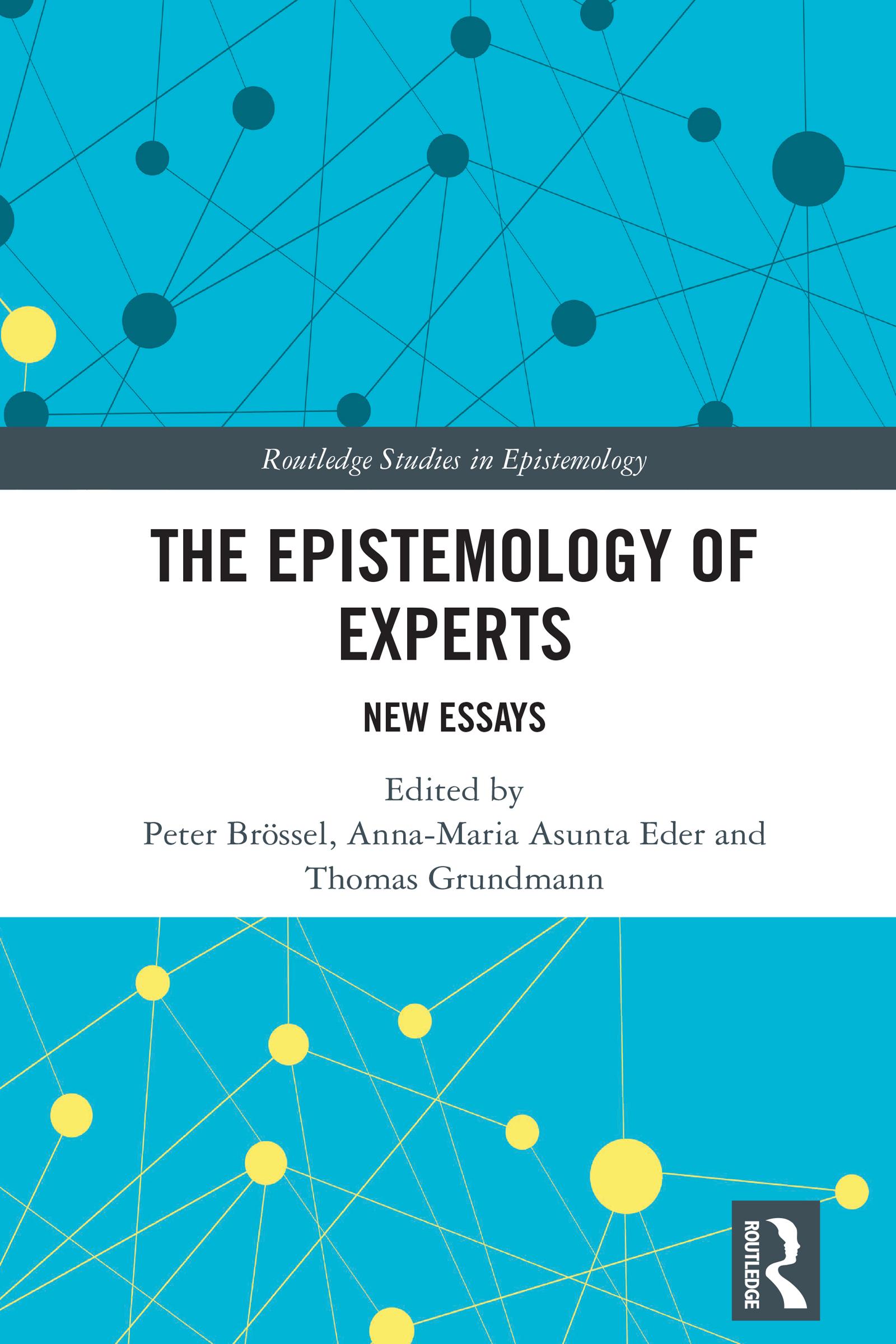
This volume presents new research on the epistemology of experts. It features original essays from leading epistemologists on this timely topic.
Modern societies benefit significantly from a certain kind of epistemic division of labor: they outsource much of their epistemic work to well-trained cognitive experts. However, due to their degree of specialization, cognitive sophistication, and highly privileged status, cognitive experts tend to become alienated from laypeople. This leads to what one may call the paradox of experts: as experts become more competent, specialized, and sophisticated, the harder it will be for laypeople to identify and trust experts. The chapters in this volume explore the epistemology of expert judgment across several core themes and crucial questions:
- Analysis of Experts: What does it take to be a cognitive expert?
- Epistemic Authority: How much should we concede experts over laypeople?
- The Social Roles of Experts: What role do experts play in society, and what role should they play?
- Challenges: What problems arise from experts’ epistemic authority and societal role?
The Epistemology of Experts is an essential resource for scholars and advanced students working in epistemology, philosophy of science, political philosophy, and the sociology of knowledge.
Betaal eenvoudig met kaart, Klarna, Apple Pay of Google Pay. Niet tevreden? Je hebt altijd 14 dagen bedenktijd. Lees meer in onze voorwaarden. Heb je vragen, mail ons dan via hello@memmo.org.
Memmo maakt studeren makkelijker – waar je ook bent ter wereld. Wij brengen je cursusboeken en slimme studietools samen op één plek: samenvattingen, quizzen, podcasts en flashcards. En Ted, je studievriend die antwoord geeft op alles wat je je afvraagt. Meer dan 50.000 studenten studeren hier al – gebouwd om je sneller te laten leren en minder stress te geven.