
According to the OECD (Organization for Economic Cooperation and Development), in the
21st century, we are living in a New Age of Biology, acknowledging the rapid development
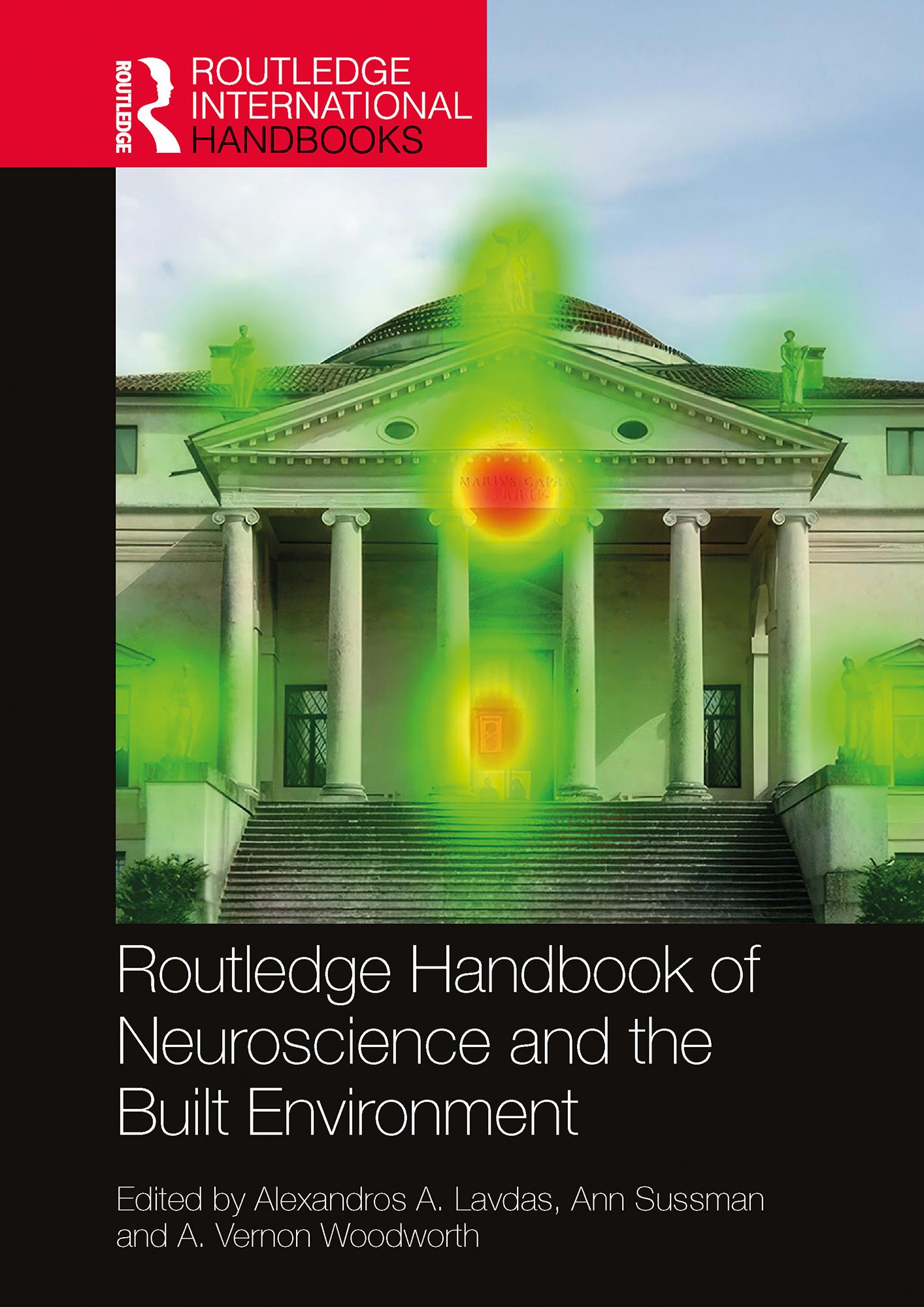
of transformative findings in the life sciences. The Routledge Handbook of Neuroscience and
the Built Environment shows how these new findings impact architecture, planning, and
design, changing our understanding how people respond to their surroundings, and how
these environments can be optimized for human well-being.
A total of 31 chapters, presented in six sections, discuss human perception, the need
for connection, and how design impacts health and well-being, through topics such as
neuroaesthetics, color, memory and place, proportion, sound, neurophenomenology,
neurodiversity, biophilia, beauty, artificial intelligence, among many others. Expert
international contributors look to answer key questions as follows: What do architects and
designers need to know about neuroscience? How does architecture and design impact us
non-consciously? Why is acknowledging the human subliminal experience important? What
tools can designers use to “see” our subliminal behaviors?
This volume will be important reading for the design community, whether practicing,
educating, or studying, as well as policy makers and public health professionals.
Betaal eenvoudig met kaart, Klarna, Apple Pay of Google Pay. Niet tevreden? Je hebt altijd 14 dagen bedenktijd. Lees meer in onze voorwaarden. Heb je vragen, mail ons dan via hello@memmo.org.
Memmo maakt studeren makkelijker – waar je ook bent ter wereld. Wij brengen je cursusboeken en slimme studietools samen op één plek: samenvattingen, quizzen, podcasts en flashcards. En Ted, je studievriend die antwoord geeft op alles wat je je afvraagt. Meer dan 50.000 studenten studeren hier al – gebouwd om je sneller te laten leren en minder stress te geven.