
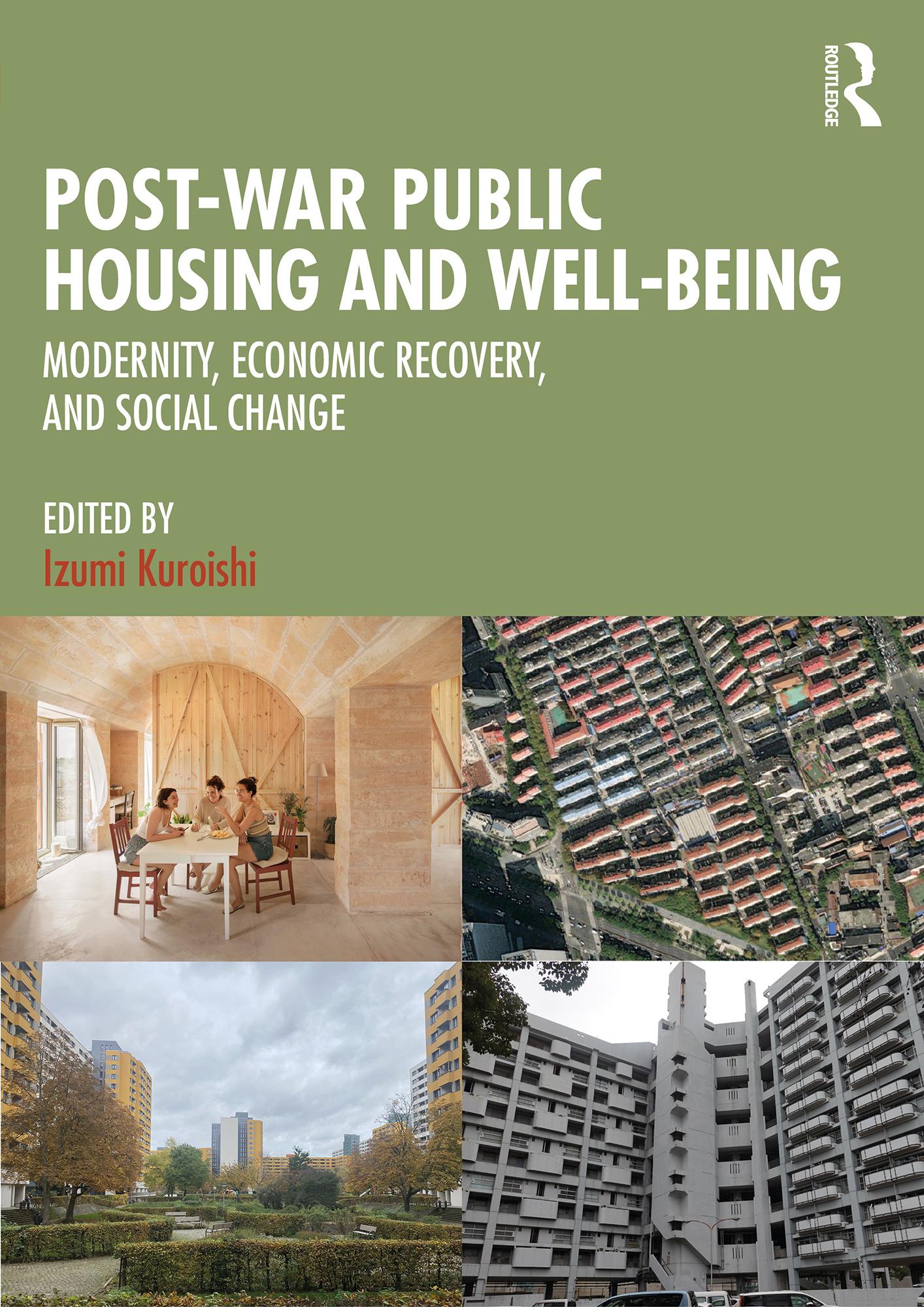
This collection illustrates the evolving role of housing as a symbol of modernity, a tool for economic recovery and a response to societal transitions. It argues that understanding earlier efforts to integrate well-being in the twentieth century can provide valuable insights for contemporary actors in the built environment who are working to address these issues today. As such, it explores and shines light on this lesser-known history, drawing on case studies, it focuses on the intersection of public housing, well-being and social change in the aftermath of the Second World War. With case studies from the UK, US, Singapore, Japan, Germany, China and Spain, this volume provides insights into how these countries have shaped the values, designs and institutions of their dwellings. By incorporating diverse cultural contexts, it contributes to a nuanced understanding of housing dynamics and well-being. Through a multidisciplinary lens, this volume encourages a re-evaluation of living conditions and fundamental values, emphasising the dynamic interplay between humans, their social environment and diverse living environments.
This book is essential for scholars, researchers, professionals, students, policymakers and practitioners in cultural history, architecture, planning, urban studies, sociology, education and public policy.
Betaal eenvoudig met kaart, Klarna, Apple Pay of Google Pay. Niet tevreden? Je hebt altijd 14 dagen bedenktijd. Lees meer in onze voorwaarden. Heb je vragen, mail ons dan via hello@memmo.org.
Memmo maakt studeren makkelijker – waar je ook bent ter wereld. Wij brengen je cursusboeken en slimme studietools samen op één plek: samenvattingen, quizzen, podcasts en flashcards. En Ted, je studievriend die antwoord geeft op alles wat je je afvraagt. Meer dan 50.000 studenten studeren hier al – gebouwd om je sneller te laten leren en minder stress te geven.