
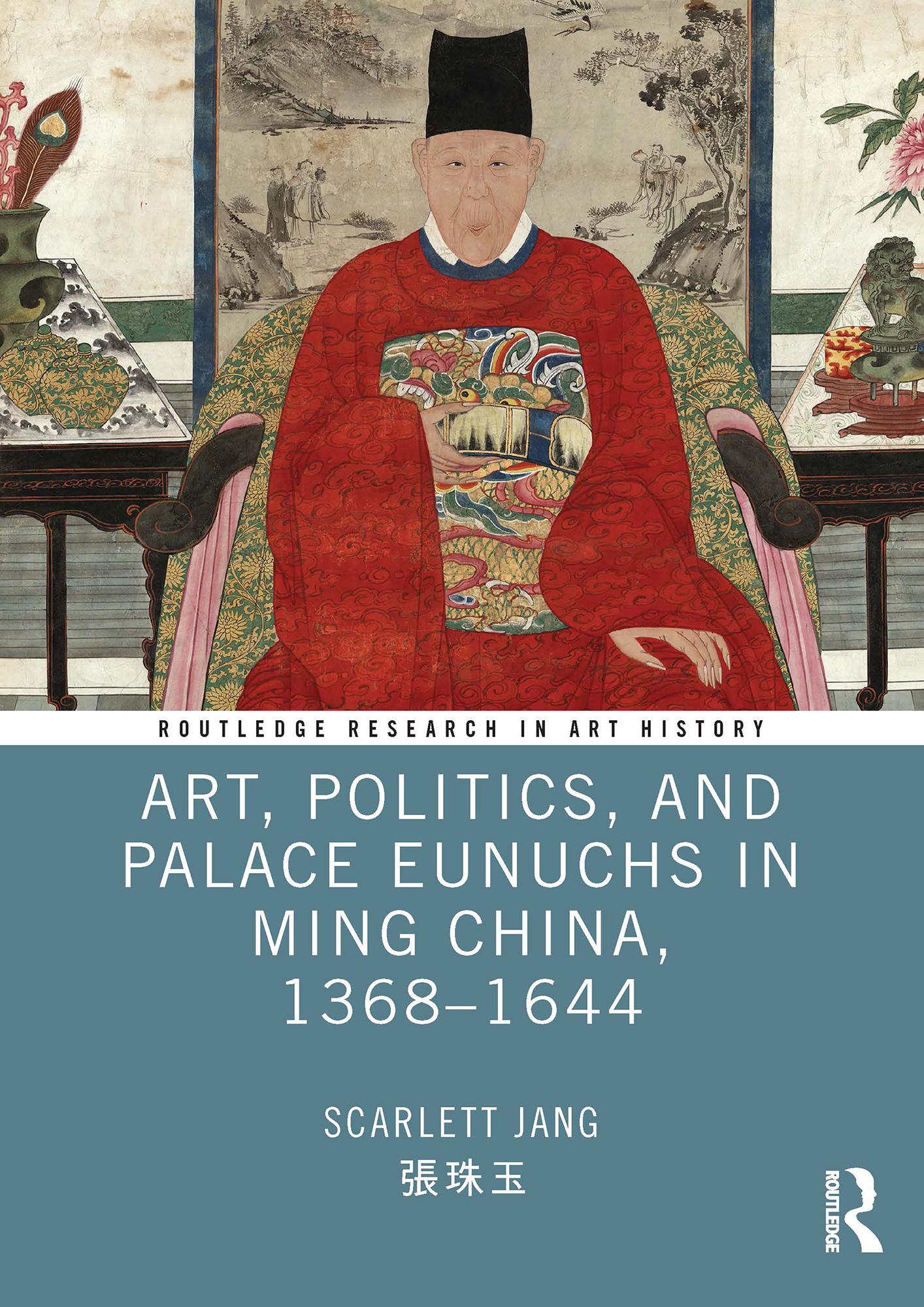
This is the first in-depth analysis of the place of the Ming palace eunuchs in the social history of Chinese art, examining the intricate intersections of art, politics, and palace eunuchs in the Ming dynasty.
In addition to articulating the elite eunuchs’ roles as important power brokers in the political arena, this monograph offers a balanced view of Ming eunuchs, with evidence of their accomplishments as book authors, editors, and compilers, poets, calligraphers, and art collectors, the Confucian scholars’ typical literati pursuits. By exploring both the positive and negative roles that palace eunuchs played in the Ming’s visual culture, this book reveals that Ming palace eunuchs, as supervisors of both the imperial art collection and the imperial art academy, and as powerful art collectors themselves, made various significant impacts on the contemporary art criticism, art market, and art-collecting patterns.
The book will be of interest to scholars working in art history, Sinology, and Chinese studies.
Betaal eenvoudig met kaart, Klarna, Apple Pay of Google Pay. Niet tevreden? Je hebt altijd 14 dagen bedenktijd. Lees meer in onze voorwaarden. Heb je vragen, mail ons dan via hello@memmo.org.
Memmo maakt studeren makkelijker – waar je ook bent ter wereld. Wij brengen je cursusboeken en slimme studietools samen op één plek: samenvattingen, quizzen, podcasts en flashcards. En Ted, je studievriend die antwoord geeft op alles wat je je afvraagt. Meer dan 50.000 studenten studeren hier al – gebouwd om je sneller te laten leren en minder stress te geven.