
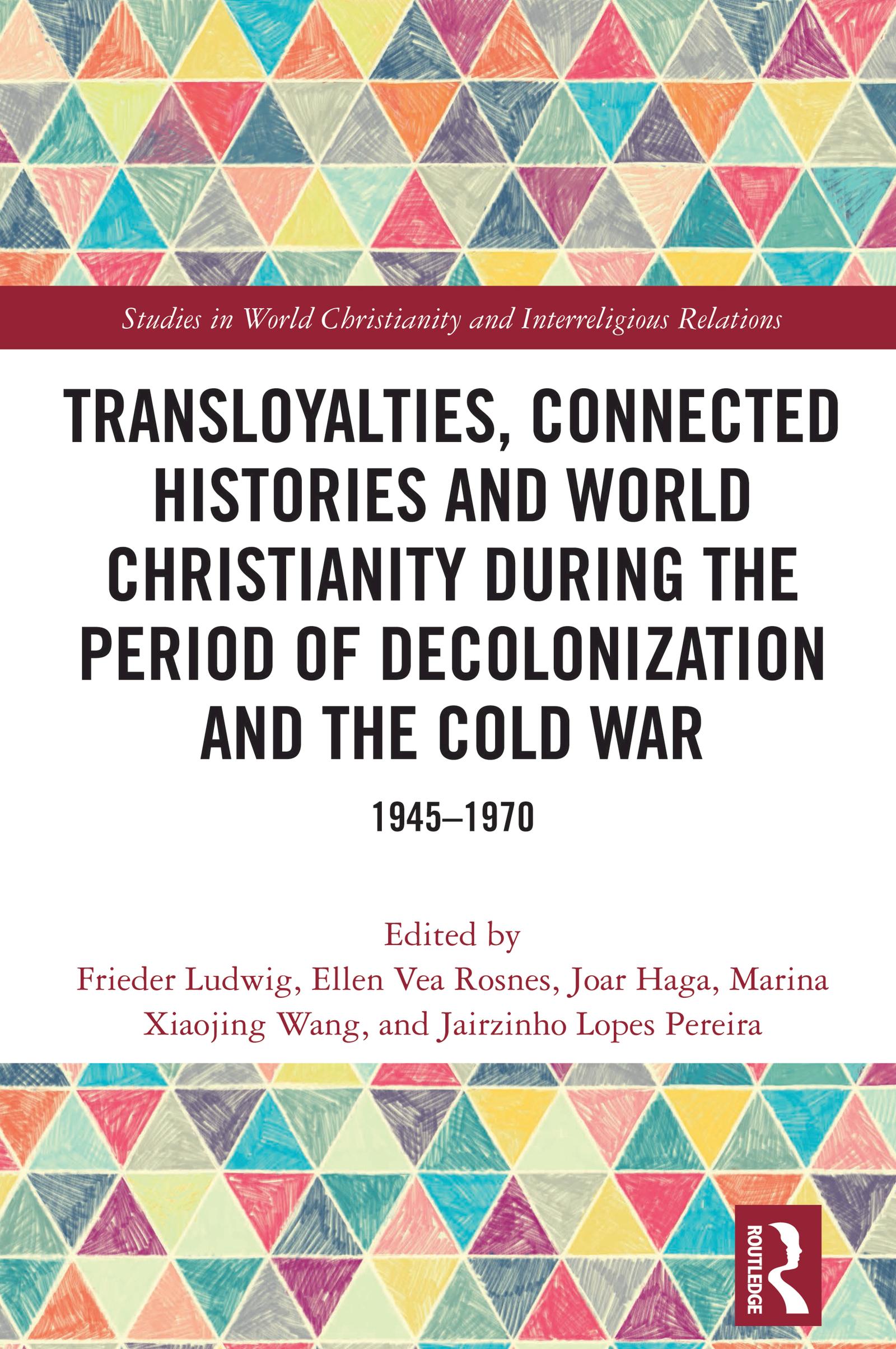
Focusing on the history of World Christianity, this book relates the concept of “transloyalties” to developments during the “Period of Decolonization and the Cold War.” This was a time when the terms “loyal” and “loyalty” became more frequently used, not only in the United States, where a “loyalty program” was introduced but also in Africa, Asia, and Europe. Churches and ecumenical organizations had to navigate in this context of new loyalty demands. They had to clarify whether changes in church/ state relations and corresponding changes in their organizational structures were necessary, or whether they affected core identities. Was the restriction or exclusion of Western missionaries a threat to the universal character of the church or a transition to self-governing churches? How did African and Asian churches relate to Western mission societies in the new context? Was the strive for justice a basis for cooperation with socialist governments, or were the concepts fundamentally different? How were denominations organized at a national level? Which forms of church government were chosen? Which denominations could become members of Christian Councils that represented joint interests toward the states? These are some of the questions that underlie the importance of this volume to the study of the history of World Christianity.
Betaal eenvoudig met kaart, Klarna, Apple Pay of Google Pay. Niet tevreden? Je hebt altijd 14 dagen bedenktijd. Lees meer in onze voorwaarden. Heb je vragen, mail ons dan via hello@memmo.org.
Memmo maakt studeren makkelijker – waar je ook bent ter wereld. Wij brengen je cursusboeken en slimme studietools samen op één plek: samenvattingen, quizzen, podcasts en flashcards. En Ted, je studievriend die antwoord geeft op alles wat je je afvraagt. Meer dan 50.000 studenten studeren hier al – gebouwd om je sneller te laten leren en minder stress te geven.