
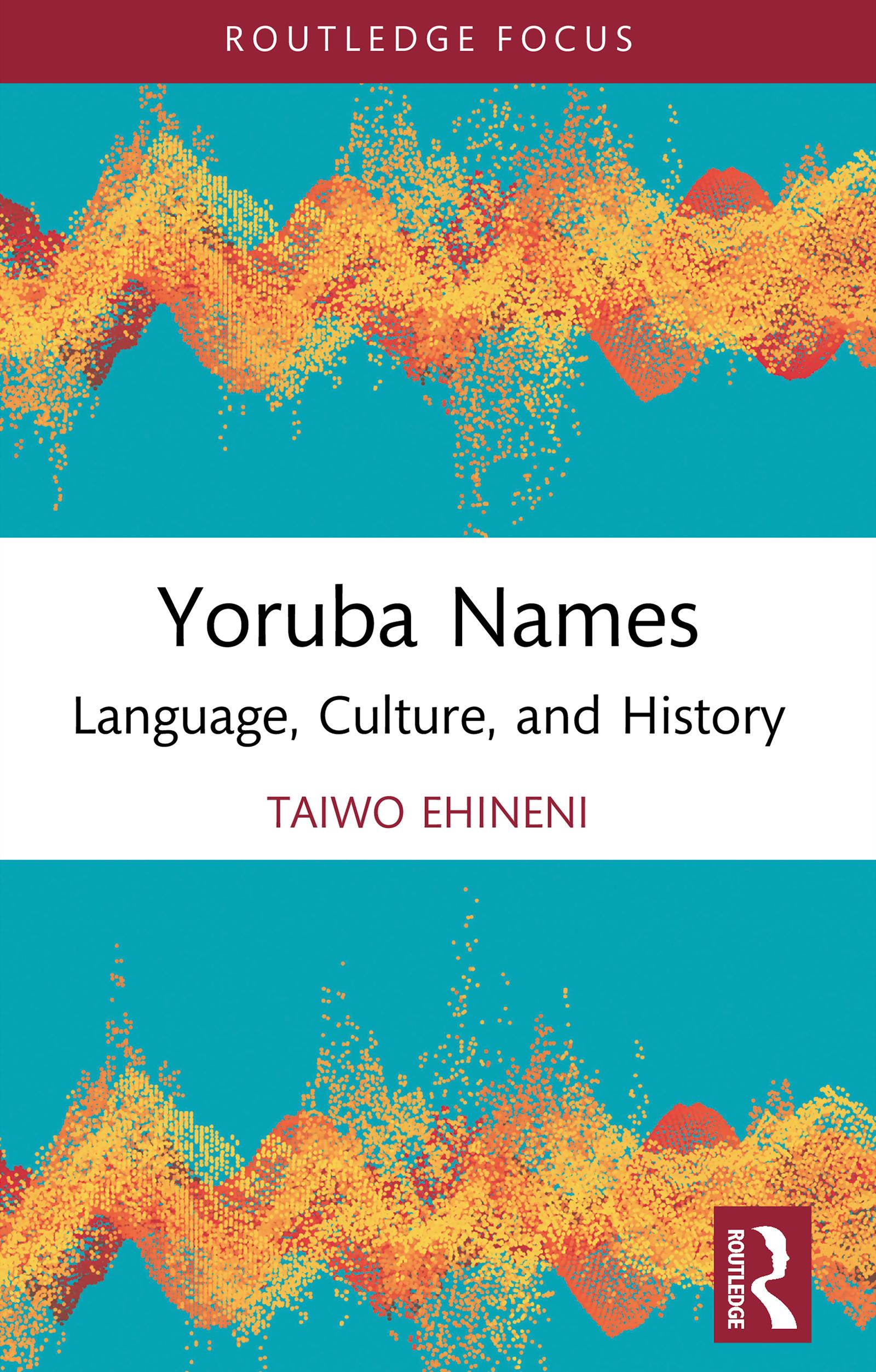
This book focuses on the naming tradition among the Yoruba, one of Africa’s largest ethnic groups, consisting of over 40 million people.
Investigating the sociocultural significance of names in Yoruba society, the book shows how names act as distinctive markers, separating the Yoruba out from over 250 other ethnic groups in Nigeria. These names are not just labels, but affirmations of a shared identity and heritage. Names can serve as symbolic representations of a family’s history, ancestral traditions, or significant events, thereby linking the bearers to their lineage. Based on extensive qualitative data from over 100 native speakers, the book shows how names can reflect joy, sorrow, or even political stances. The book goes on to consider how names are also used in non-human contexts, such as for naming places or pets. Overall, the book paints a rich picture of the social and cultural functions of Yoruba names, and how these functions affect the ways in which names are given, received, and perceived.
Unprecedented in its in-depth and nuanced analysis of Yoruba naming practices, this book will be of interest to readers in African studies, sociology, anthropology, linguistics, cultural studies, gender studies and history.
Betaal eenvoudig met kaart, Klarna, Apple Pay of Google Pay. Niet tevreden? Je hebt altijd 14 dagen bedenktijd. Lees meer in onze voorwaarden. Heb je vragen, mail ons dan via hello@memmo.org.
Memmo maakt studeren makkelijker – waar je ook bent ter wereld. Wij brengen je cursusboeken en slimme studietools samen op één plek: samenvattingen, quizzen, podcasts en flashcards. En Ted, je studievriend die antwoord geeft op alles wat je je afvraagt. Meer dan 50.000 studenten studeren hier al – gebouwd om je sneller te laten leren en minder stress te geven.