
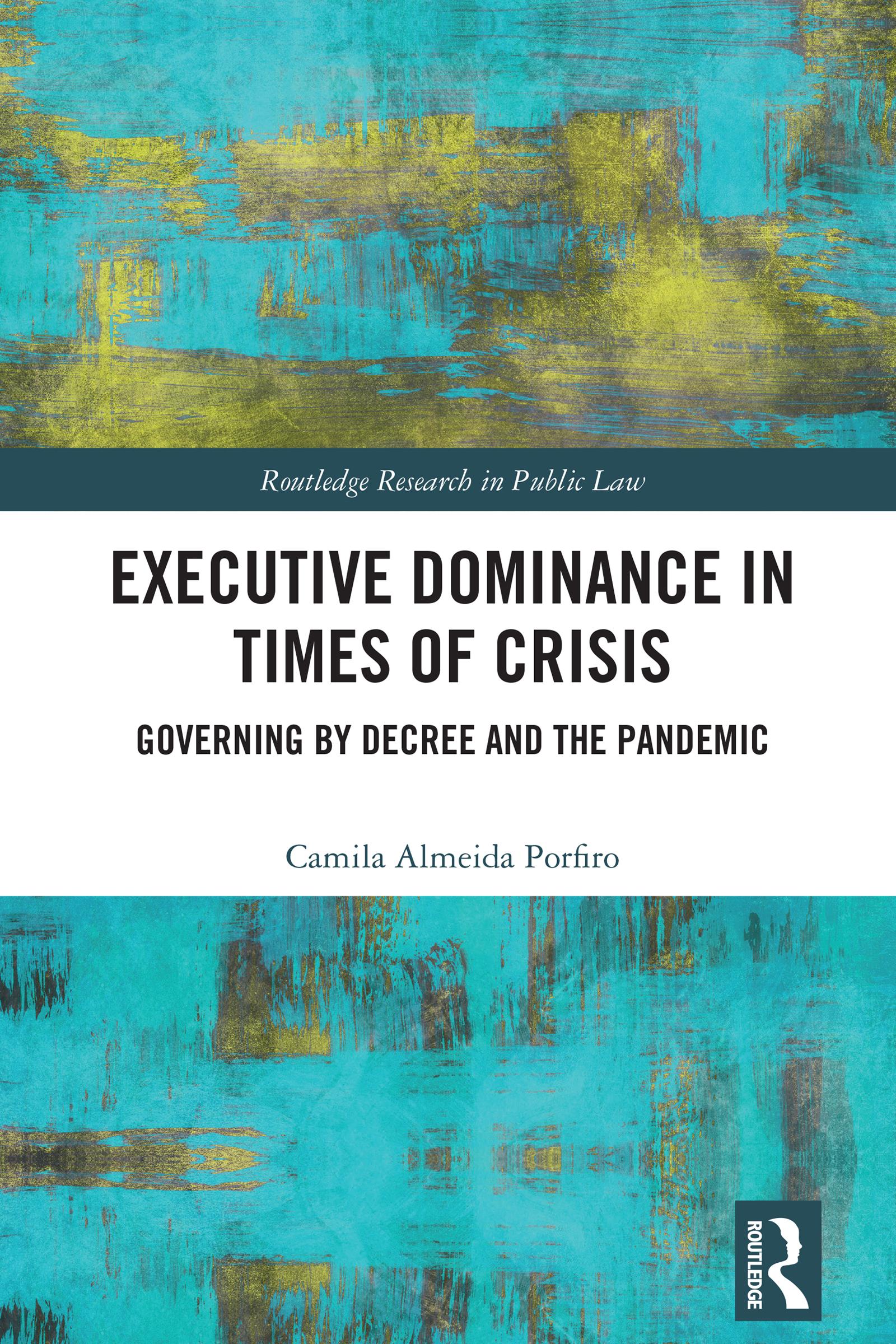
In recent times, there has been a growing dominance of executives centered on the figure of a central leader, while parliaments, which should be the focus of political power, are being marginalized. This development reflects a historical process that has only worsened with the COVID-19 emergency. This book argues that the frequent use of unilateral acts by the executive, exacerbated in times of emergency, can lead to a process of serious democratic erosion. It holds that the unlimited expansion of unilateral action is incompatible with the principle of separation of powers and the basic elements of a constitutional democracy. The judicial and legislative branches, especially in times of crisis, must exercise firm control over executive acts. It puts forward the case that they should limit abuses and risks to democracy based on parameters that are attentive to democratic principles, institutional capacities, and the protection of fundamental rights. In this scenario, the book offers a contemporary analysis of executive dominance in Brazil, Italy, and Germany, particularly in the context of the COVID-19 pandemic. It engages with traditional literature on the subject while providing a novel perspective, particularly in relation to the Global South. The book will be of interest to academics and researchers working in the areas of constitutional law and politics, administrative law, and international and comparative law.
Betaal eenvoudig met kaart, Klarna, Apple Pay of Google Pay. Niet tevreden? Je hebt altijd 14 dagen bedenktijd. Lees meer in onze voorwaarden. Heb je vragen, mail ons dan via hello@memmo.org.
Memmo maakt studeren makkelijker – waar je ook bent ter wereld. Wij brengen je cursusboeken en slimme studietools samen op één plek: samenvattingen, quizzen, podcasts en flashcards. En Ted, je studievriend die antwoord geeft op alles wat je je afvraagt. Meer dan 50.000 studenten studeren hier al – gebouwd om je sneller te laten leren en minder stress te geven.