
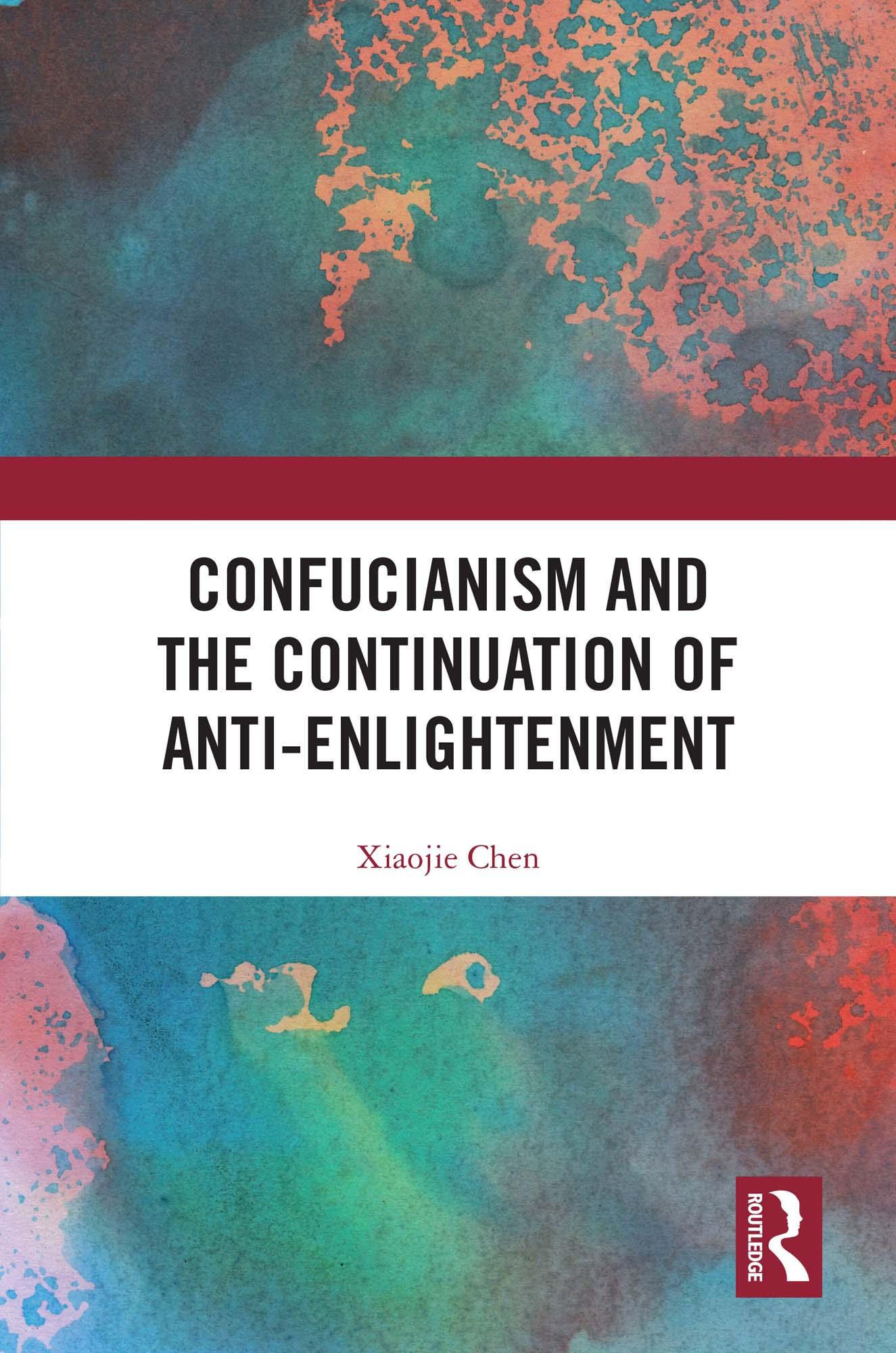
In 18th-century Europe, before the “Counter-Enlightenment,” two coexisting perspectives emerged within the Enlightenment: the first was the belief that humans were endowed with the capacity to think independently, which led to the possibility of egalitarianism; the second was the restriction of the faculty’s scope of application, which argued that the people must rely on intellectuals as their new shepherds. The latter is “Anti-Enlightenment” and anti-egalitarian.
This book argues that Neo-Confucianism showed these two Enlightenment trends after the 11th century. The imperial examination reform allowed commoners to rise to the bureaucratic elite, thereby achieving top-down “Enlightenment”. Despite the emerging elite’s claims of caring for the people, this benevolence does not expect the people to become self-sufficient adults, which brings up this book’s second theme of comparing French Revolution “Fraternity” with Confucian “Benevolence.”
Taking “Enlightenment” and “Fraternity” as clues, the author analyses the intellectual history in four countries (China, Japan, Germany, and France), revealing not only the inherent “Anti-Enlightenment” mentality within the European Enlightenment, but also the process of “Enlightenment” commenced as early as the 11th century in China.
This book will appeal to scholars of Enlightenment, intellectual history, and comparative study of East-West thought.
Betaal eenvoudig met kaart, Klarna, Apple Pay of Google Pay. Niet tevreden? Je hebt altijd 14 dagen bedenktijd. Lees meer in onze voorwaarden. Heb je vragen, mail ons dan via hello@memmo.org.
Memmo maakt studeren makkelijker – waar je ook bent ter wereld. Wij brengen je cursusboeken en slimme studietools samen op één plek: samenvattingen, quizzen, podcasts en flashcards. En Ted, je studievriend die antwoord geeft op alles wat je je afvraagt. Meer dan 50.000 studenten studeren hier al – gebouwd om je sneller te laten leren en minder stress te geven.